Sustainable Soil Management: Techniques for Erosion Control and Longevity
J
Architect
Jag
Record Date
Apr 9, 2026
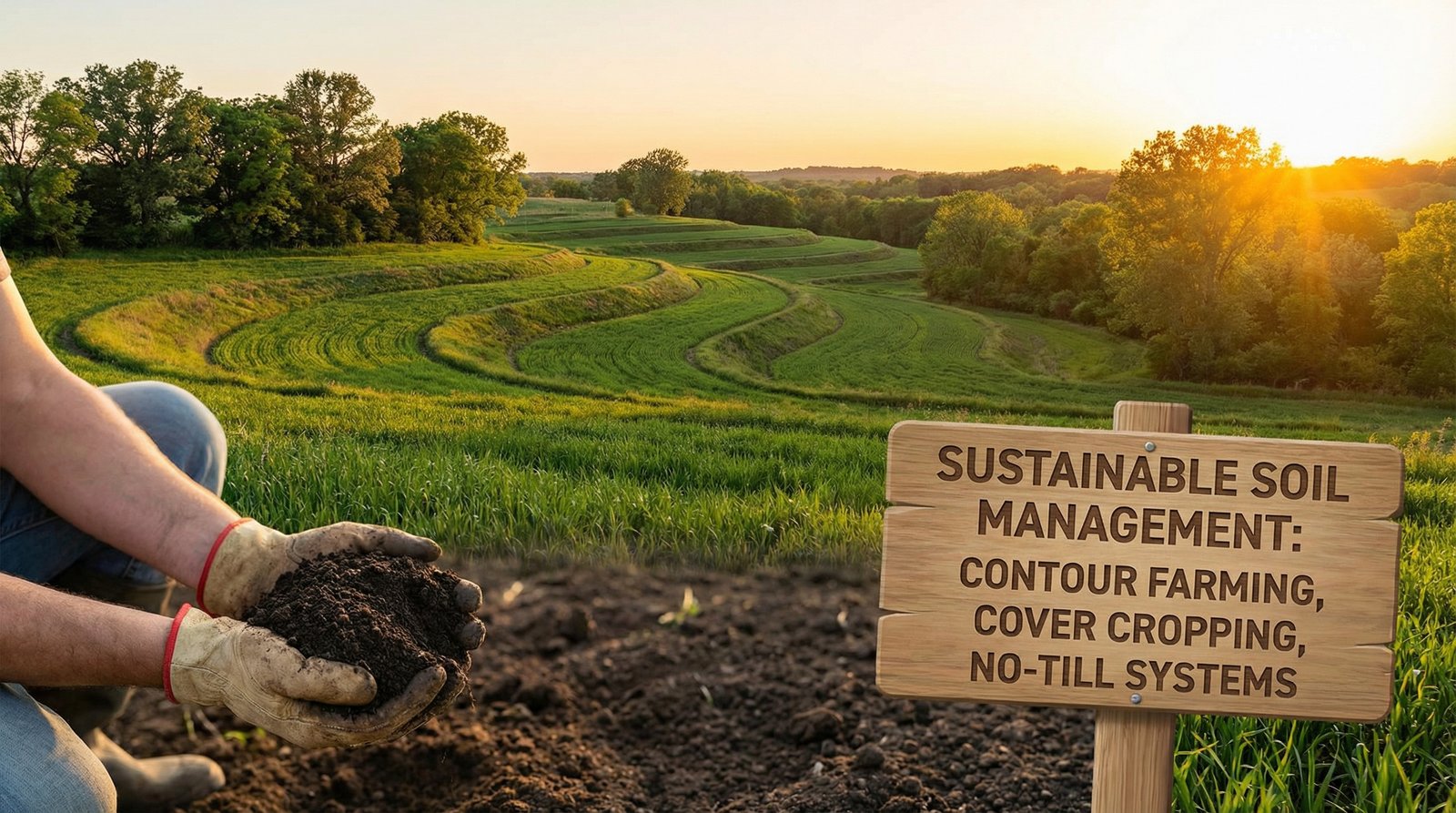
Beneath every stunning landscape lies its most critical, yet frequently overlooked, foundational asset: the soil. The loss of topsoil through wind and water erosion drastically undermines botanical productivity, exacerbates nutrient leaching, and leads to severe land degradation that is both difficult and exceptionally expensive to reverse. As the landscaping industry increasingly adopts an ethos of land stewardship rather than simple property management, finding and implementing effective, sustainable techniques to keep soil in place has become a paramount technical challenge for 2026.One of the most effective methodologies gaining widespread traction in both residential and commercial applications is the no-till system. Traditional rototilling aggressively disrupts the delicate fungal networks and microbiological communities inherent in healthy soil. In regions characterized by heavy, compacted clay, no-till beds have proven especially effective for cultivating vegetables and perennials. By minimizing mechanical disturbance, the soil naturally develops a balanced, aggregated structure with significantly higher organic matter content. This approach naturally suppresses weed proliferation and drastically improves moisture retention, translating directly to less time spent watering and applying synthetic herbicides.For properties featuring steep gradients or complex topography, structural interventions such as contour farming and terracing are essential. By creating physical benches or steps along the natural lines of the land, designers can effectively disrupt the velocity of surface water runoff, allowing moisture to percolate deeply rather than washing away vital topsoil. This structural approach is further fortified by the application of cover crops and dense organic mulching. Living root systems anchor the substrate, while the surface cover protects against the kinetic impact of heavy rainfall. Furthermore, integrating strategic windbreaks and buffer strips utilizing native, deep-rooted perennials provides multifaceted stability. By prioritizing these highly sustainable soil management techniques, property owners ensure that their landscapes remain structurally sound, nutritionally dense, and ecologically vibrant for decades to come, actively working for the soil so the soil works for them.Pillar III: Case StudyCase studies provide the empirical evidence required to establish Trust and Authoritativeness, critical components of modern search algorithms. By demonstrating tangible transformations and measurable operational returns on investment, these articles appeal directly to high-value commercial clients, luxury residential homeowners, and industry stakeholders evaluating multi-million dollar contracts.