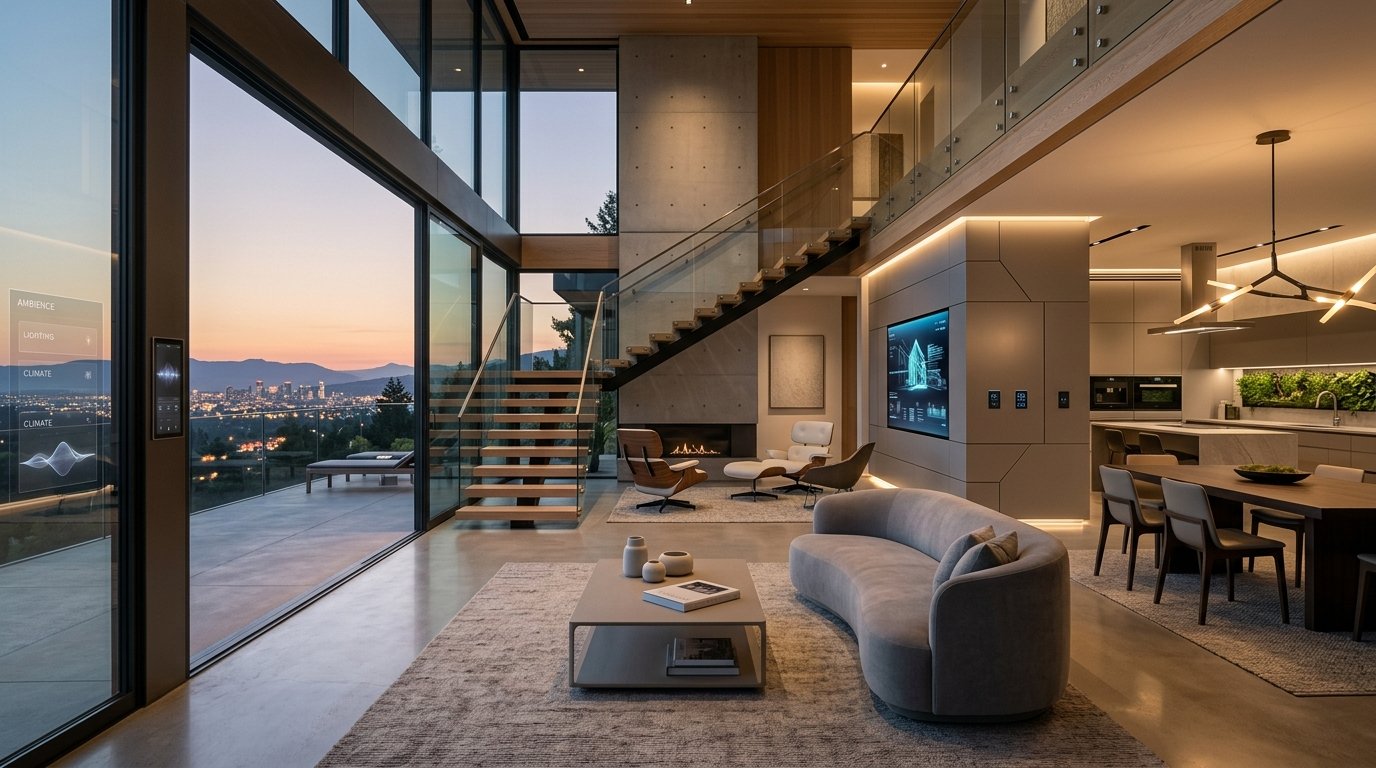
Modernist design has long been celebrated for its commitment to clean lines, functionality, and a 'less is more' philosophy. It's a style that transcends trends, offering timeless appeal through its emphasis on open spaces, natural light, and honest materials. But what if you could harness the power of artificial intelligence to not only understand these principles but also apply them perfectly to your unique home? Welcome to the world of AI modernist design – where cutting-edge technology meets iconic aesthetic to create living spaces that are both beautiful and incredibly functional.
At ryy.com, we believe that designing your dream home shouldn't be a complex, overwhelming process. Our AI-powered tools are designed to democratize design, making it accessible and enjoyable for everyone. Whether you're a seasoned design enthusiast or just starting your home transformation journey, AI can help you capture the essence of modernism and tailor it precisely to your vision, preferences, and lifestyle.
Understanding the Essence of Modernist Design
Before we dive into how AI can elevate this style, it's crucial to grasp what truly defines modernist design. It's more than just a look; it's a philosophy born from a desire for simplicity, efficiency, and a rejection of ornate, superfluous decoration.
A Brief History: From Bauhaus to Mid-Century
Modernist design emerged in the early 20th century, a response to the industrial revolution and a desire for design that was honest about its materials and purpose. Pioneering movements like the German Bauhaus school, led by figures such as Walter Gropius and Ludwig Mies van der Rohe, championed the idea that "form follows function." This meant that the purpose of an object or building should dictate its design, leading to minimalist aesthetics and functional forms.
- Bauhaus (1919-1933): Emphasized geometric shapes, primary colors, and industrial materials like steel and glass.
- International Style (1920s-1970s): Characterized by flat roofs, large expanses of glass, open interiors, and a lack of ornamentation.
- Mid-Century Modern (1940s-1960s): A slightly softer, more organic take on modernism, incorporating natural wood, vibrant accents, and iconic furniture pieces by designers like Charles and Ray Eames, and Eero Saarinen.
While the historical context provides a rich background, the core principles continue to inspire contemporary design.
Core Principles Today: Minimalism, Functionality, Openness
In modern homes, these foundational principles translate into a distinct aesthetic and lifestyle:
- Minimalism: A clutter-free environment where every item serves a purpose or adds significant aesthetic value. Clean surfaces, hidden storage, and a focus on essentials are key.
- Functionality: Spaces and furniture are designed for their intended use, without unnecessary embellishments. Think modular furniture, smart storage solutions, and efficient layouts.
- Openness & Flow: Open-concept living areas promote seamless transitions between rooms, enhancing natural light and a sense of spaciousness.
- Natural Materials: A preference for honest materials like concrete, glass, steel, wood, and natural stone, often left in their raw or minimally treated states.
- Neutral Color Palettes: Typically features a base of whites, grays, and blacks, accented with muted earth tones or carefully selected pops of color.
- Natural Light: Maximizing natural light is paramount, often achieved through large windows, skylights, and thoughtful window treatments.
How AI Revolutionizes AI Modernist Design
So, where does artificial intelligence fit into this timeless design philosophy? AI acts as your ultimate design assistant, capable of processing vast amounts of design data, understanding your unique preferences, and generating tailored solutions that embody the spirit of modernism while being perfectly suited to your home. This is the heart of AI modernist design.
Personalized Inspiration & Vision Boards
One of the biggest hurdles in design is translating abstract ideas into a concrete vision. AI excels here. Imagine you want a minimalist living room with a touch of Mid-Century warmth. Instead of endless scrolling through Pinterest, ryy.com's AI can:
- Analyze Your Preferences: Upload images you like, answer a few questions about your style, and AI learns what resonates with you.
- Generate Tailored Concepts: Based on your input, AI can instantly generate mood boards, 2D layouts, or even photorealistic 3D renderings of your space, showcasing various modernist interpretations. It can suggest specific furniture arrangements, color palettes, and material combinations that align with both modernist principles and your personal taste.
- Offer Real-Time Adjustments: Don't like a specific texture or furniture piece? Simply tell the AI, and it will iterate and refine the design in moments, allowing you to experiment with different modernist aesthetics without commitment.
Ready to see your ideas come to life? Start creating your personalized modernist vision board with ryy.com's free AI design tools today!
Optimizing Layouts and Space Utilization
Modernist design is inherently about efficiency and maximizing space. AI can take this to a new level:
- Smart Space Planning: Upload your floor plan, and AI can suggest optimal furniture arrangements that enhance flow, ensure functionality, and adhere to minimalist principles. It can analyze traffic patterns, natural light exposure, and the scale of each room to propose the most efficient and aesthetically pleasing layout.
- Solving Design Challenges: Dealing with an awkward corner or a small apartment? AI can generate creative solutions for built-in storage, multi-functional furniture, or even wall-mounted shelving systems that maintain the clean lines and uncluttered feel central to modernism. For instance, AI can help you visualize how a sectional sofa might work in an open-concept living area, or how to integrate a discrete home office nook without compromising the overall minimalist aesthetic.
Material and Color Palette Selection
Choosing the right materials and colors is crucial for a cohesive modernist look. AI can be an invaluable guide:
- Cohesive Palettes: AI can suggest a harmonious color palette (think muted grays, warm whites, natural wood tones, and subtle earthy accents) that aligns with modernist aesthetics and your personal preferences. It ensures continuity across rooms.
- Material Pairings: Struggling to decide between concrete, marble, or polished wood for your countertops? AI can show you how different material combinations will look in your space, considering factors like lighting and existing finishes. It can suggest pairings like raw concrete with warm oak, or sleek steel with natural linen, all while maintaining the modernist ethos.
Key Elements of AI Modernist Design in Your Home
Bringing AI modernist design into your home means focusing on a few key elements that define the style, now amplified and customized by AI.
Clean Lines and Geometric Forms
This is the bedrock of modernism. Furniture, architecture, and even decor should feature strong, uncluttered lines and geometric shapes. AI can help you identify furniture pieces that fit this criterion and visualize how they would look in your space. For example, AI can show you sleek, leggy sofas, minimalist dining tables, and abstract art pieces that contribute to a visually calm and harmonious environment.
Open-Concept Living and Natural Light
Modernist homes often feature open layouts that blur the lines between living, dining, and kitchen areas. Maximizing natural light through large windows, skylights, and strategically placed mirrors creates an airy and expansive feel. AI can help you optimize window treatments to control light while maintaining a minimalist aesthetic and even suggest how to rearrange furniture to improve natural light penetration.
Smart Technology Integration (Seamless & Subtle)
While modernism emphasizes simplicity, it doesn't shy away from innovation. AI modernist design seamlessly integrates smart home technology without compromising the clean aesthetic. Think smart lighting that adjusts automatically, hidden entertainment systems, or climate control that is intuitive and discreet. AI can help you plan for cable management, built-in solutions, and smart device placement that keeps clutter at bay.
Curated Materials and Textures
The beauty of modernist design often lies in the honest expression of materials. AI can help you select a curated palette of natural and industrial materials.
- Wood: Light or dark, often left in natural finishes.
- Glass: Used for windows, partitions, and even furniture.
- Concrete: As flooring, countertops, or accent walls.
- Steel & Chrome: For furniture frames, fixtures, and structural elements.
- Textiles: Natural fibers like wool, linen, and cotton for upholstery and rugs, adding warmth and tactile interest.
AI can visualize how these materials interact under different lighting conditions and suggest complementary textures to prevent a sterile feel, ensuring your space feels inviting and refined.
Practical Tips for Implementing AI Modernist Design
Ready to transform your home with AI modernist design? Here are some actionable tips:
- Start with a Vision (with AI's Help): Don't just dive in. Use ryy.com's AI tools to explore different modernist sub-styles (Bauhaus, Mid-Century, contemporary minimalism) and generate initial mood boards. This helps you clarify your preferences before making any commitments.
- Declutter Ruthlessly: Modernist design thrives on minimalism. Remove anything that doesn't serve a purpose or bring you joy. Invest in smart storage solutions to keep surfaces clear. AI can even suggest decluttering strategies by showing you what your room looks like without certain items.
- Invest in Quality Pieces: Modernist furniture is often an investment due to its timeless design and durable materials. Choose iconic pieces or high-quality reproductions that will last. AI can help you source furniture that fits your budget and aesthetic.
- Embrace Natural Light: Maximize natural light by keeping windows unobstructed. Use sheer curtains or blinds for privacy without sacrificing light. AI can show you how different window treatments impact the overall brightness and mood of your room.
- Integrate Smart Home Tech Thoughtfully: Conceal wires, use voice controls, and select devices with minimalist aesthetics. AI can map out the most discreet placement for smart speakers, thermostats, and lighting controls.
- Rely on a Cohesive Color Palette: Stick to a primary palette of neutrals (whites, grays, blacks, beiges) and introduce accent colors sparingly through art, textiles, or a single statement furniture piece. AI can help you test different accent colors in your chosen palette.
- Leverage AI for Layouts: Before moving furniture, use ryy.com's AI room planner. Experiment with different furniture arrangements to optimize flow, functionality, and visual balance. This saves you time and physical effort.
- Seek Feedback (from AI): Unsure about a particular choice? Upload photos or your design plans to ryy.com and get AI-powered suggestions for refinement. It's like having a design expert available 24/7.
Design Your Modernist Dream with AI
Embracing AI modernist design means creating a home that is a sanctuary of calm, functionality, and enduring style. It's about harnessing the best of design principles with the power of artificial intelligence to craft spaces that truly reflect modern living.
With ryy.com, the future of interior design is at your fingertips. Our free AI design tools empower you to visualize, plan, and perfect your modernist home with unprecedented ease and precision. Stop dreaming about your ideal space and start creating it today.
Ready to unlock the potential of AI for your modernist home? Visit ryy.com now and begin your free AI design journey!