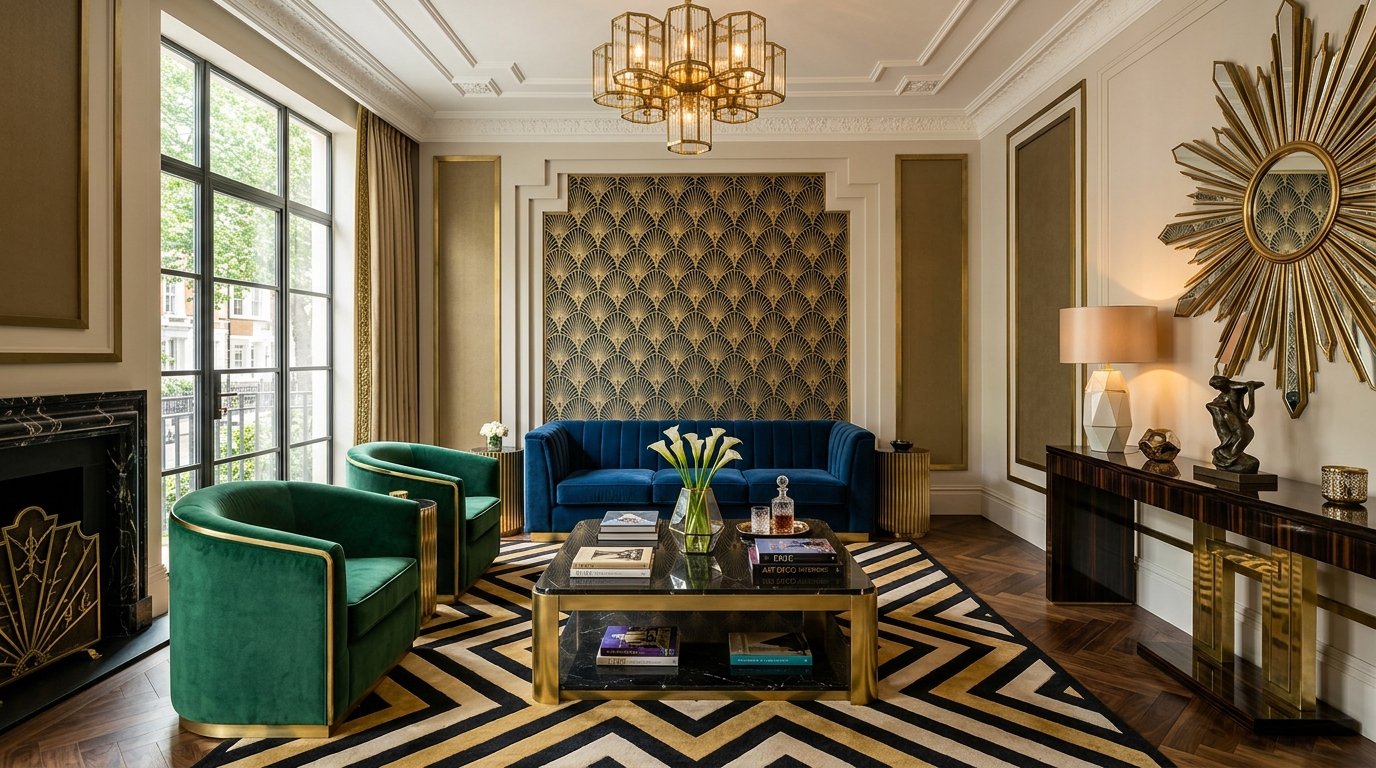
Step back in time to an era of unparalleled elegance, daring design, and sophisticated glamour. The 1920s and 30s gave birth to Art Deco interior design, a revolutionary style that captured the spirit of progress, luxury, and optimism. Far from being a relic of the past, Art Deco continues to inspire and enchant, offering a unique blend of bold geometry, opulent materials, and a sense of refined drama that feels surprisingly contemporary. If you're looking to infuse your home with a touch of timeless sophistication and a dash of Gatsby-esque grandeur, understanding the essence of Art Deco is your first step.
At ryy.com, we believe design should be accessible and inspiring. Join us as we explore the defining characteristics of Art Deco, its enduring appeal, and how you can seamlessly integrate this iconic style into your modern living space, all with the help of our intuitive AI design tools.
The Enduring Allure of Art Deco Interior Design
Born out of the optimism and technological advancements following World War I, Art Deco emerged as a dominant force in architecture, fashion, and especially interior design. It was a complete departure from the flowing organic lines of Art Nouveau, embracing instead a machine-age aesthetic characterized by streamlined forms, bold geometric patterns, and a sense of speed and efficiency. Influenced by Cubism, ancient Egyptian art (sparked by the discovery of Tutankhamun's tomb), and the dynamism of the industrial age, Art Deco interior design celebrated luxury, craftsmanship, and a forward-looking vision.
This style became synonymous with the "Roaring Twenties" and the "Jazz Age," gracing grand ocean liners, luxury hotels, and glamorous private residences. Its appeal lies in its distinctive blend of functionality and extravagance, creating spaces that are both awe-inspiring and highly livable. It's a style that speaks of confidence, wealth, and an appreciation for exquisite detail.
Origins and Influences
The term "Art Deco" itself was coined retrospectively, taking its name from the 1925 Exposition Internationale des Arts Décoratifs et Industriels Modernes in Paris. This exhibition showcased the new modern style, which prioritized exquisite craftsmanship and luxurious materials over mass production. Key influences include:
- Cubism and Futurism: The fractured planes, geometric shapes, and dynamic lines of these art movements heavily inspired Art Deco's angular forms.
- Ancient Egyptian Discoveries: The intricate patterns, rich symbolism, and opulent materials found in Tutankhamun's tomb sparked a global fascination that translated into sunburst motifs, stepped pyramids, and sphinx-like elements.
- Industrial Age: The sleekness of machinery, the strength of steel, and the shine of chrome found their way into furniture and decor, reflecting a new era of technological prowess.
- Exoticism: A fascination with distant cultures led to the incorporation of motifs from African, Aztec, and Asian art, often stylized and integrated with geometric precision.
Key Elements of Art Deco Style
To truly understand and implement Art Deco in your home, it's essential to grasp its core design vocabulary. This style isn't about subtle hints; it's about making a statement with carefully curated elements.
Geometric Patterns & Streamlined Forms
Geometry is the beating heart of Art Deco. You'll find it everywhere:
- Zigzags and Chevrons: Often seen in flooring, textiles, and wall coverings.
- Sunbursts and Fan Motifs: A dramatic and iconic element, often radiating from a central point.
- Stepped Forms: Reminiscent of ancient ziggurats and skyscrapers, adding a sense of grandeur and ascent.
- Keystones and Arches: Used to frame entrances or design elements.
- Streamlined Silhouettes: Furniture and architectural details often feature long, unbroken lines, curved edges, and a sense of movement.
These patterns are typically symmetrical and repeated, creating a sense of order, rhythm, and sophisticated visual interest.
Luxurious Materials & Rich Textures
Art Deco is synonymous with opulence. The choice of materials is crucial for achieving its signature look:
- High-Gloss Finishes: Lacquered wood (especially macassar ebony, zebrawood), polished chrome, stainless steel, and mirrors reflect light and add a sense of luxury.
- Exotic Woods: Dark, richly grained woods like ebony, rosewood, and amboyna burl were favored, often inlaid with lighter woods or metals.
- Plush Fabrics: Velvet, silk, satin, and leather in rich colors provide tactile luxury for upholstery and drapes. Animal prints (zebra, leopard) were also popular.
- Mirrors and Glass: Used extensively to create light, space, and a feeling of glamour. Mirrored furniture, etched glass, and glass blocks are characteristic.
- Metals: Chrome, brass, and polished steel are essential for furniture frames, lighting fixtures, and decorative accents, often with a high shine.
- Marble and Stone: Polished marble or granite for flooring, countertops, and fireplace surrounds add a stately, cool elegance.
Bold Colors & Contrasting Palettes
The Art Deco palette is often bold and dramatic, emphasizing contrast and luxury:
- Jewel Tones: Deep emerald green, sapphire blue, ruby red, amethyst purple, and citrine yellow are frequently used, often paired with metallics.
- Metallics: Gold, silver, and chrome are indispensable for accents, trim, and decorative elements, adding shimmer and richness.
- Monochromatic with Pop: Black and white are classic Art Deco foundations, creating a dramatic backdrop for vibrant accent colors.
- Neutrals with Rich Undertones: Cream, beige, and taupe can be used as a base, but always with a hint of warmth or a striking metallic accent to prevent blandness.
Sleek Furniture & Decorative Accents
Art Deco furniture is often substantial yet sleek, combining comfort with a striking aesthetic:
- Streamlined Silhouettes: Sofas and chairs feature clean lines, often with exposed wooden or metal frames and plush upholstery.
- Geometric Shapes: Circular coffee tables, rectangular consoles, and stepped cabinets are common.
- Mirrored Furniture: Dressers, side tables, and bar carts with mirrored surfaces are quintessentially Deco.
- Iconic Accents: Sunburst mirrors, framed geometric artwork, stylized figurines (often depicting dancers or mythological figures), and ornate clocks.
Dramatic Lighting
Lighting in Art Deco is not just functional; it's a statement piece:
- Chandeliers: Often grand, with chrome or brass frames and frosted, stepped, or tiered glass elements.
- Sconces: Wall-mounted fixtures with geometric designs, often made from frosted glass and metal.
- Floor Lamps and Table Lamps: Feature strong geometric bases, metallic finishes, and shades made from opaque glass or fabric.
- Uplighting: Used to highlight architectural features or create dramatic shadows.
Bringing Art Deco into Your Modern Home
You don't need to completely transform your home into a 1920s movie set to enjoy Art Deco. The beauty of this style is its adaptability. Here’s how to incorporate elements of Art Deco interior design into your contemporary space:
Start with a Statement Piece
Introduce one significant Art Deco-inspired item to anchor your room. This could be:
- A striking geometric area rug in black and white with a gold accent.
- A luxurious velvet sofa in an emerald green or deep sapphire blue.
- A spectacular Art Deco chandelier or pendant light.
- A mirrored console table or a bar cart with chrome details.
ryy.com Tip: Not sure if that magnificent velvet sofa will fit your living room's vibe? Upload a photo of your space to ryy.com, select an Art Deco design style, and let our AI show you how different statement pieces would look in your actual home! It’s completely free and endlessly inspiring.
Incorporate Geometric Accents
This is one of the easiest ways to nod to Art Deco:
- Wallpaper: Choose a feature wall with a geometric pattern like chevrons, zigzags, or a subtle sunburst motif.
- Textiles: Add throw pillows, blankets, or curtains with bold geometric prints.
- Artwork: Opt for framed abstract art with strong lines and shapes, or stylized Art Deco posters.
- Tiles: Consider geometric tile patterns for a backsplash in the kitchen or bathroom.
Layer Luxurious Textures
Elevate your space by mixing and matching opulent materials:
- Pair a sleek leather armchair with a velvet throw pillow.
- Use a lacquered side table next to a plush rug.
- Hang silk drapes that pool slightly on the floor.
- Introduce elements of polished chrome or brass through decorative objects like vases, sculptures, or picture frames.
Play with Lighting
Lighting is key to the Deco ambiance. Swap out standard fixtures for:
- A tiered or stepped chandelier for the dining room or entryway.
- Table lamps with metallic bases and geometric or frosted glass shades.
- Wall sconces with an angular or fan design in hallways or bedrooms.
Embrace Bold Color Schemes
Don't shy away from color, even if it's just in small doses:
- Paint one wall in a rich jewel tone like sapphire blue or emerald green.
- Use metallic accents (gold, silver, chrome) generously on frames, hardware, and accessories.
- Introduce high-contrast elements, such as black and white patterns, to create visual drama.
ryy.com Tip: Thinking about a bold emerald feature wall or incorporating a shiny gold bar cart? With ryy.com's AI design tools, you can visualize these color changes and furniture additions in your own room before making any commitments. Simply describe your vision, and watch your Art Deco dreams come to life.
Practical Tips for an Art Deco Makeover
- Less is More (with Impact): Art Deco isn't about clutter. Each piece should be intentional and contribute to the overall luxurious feel.
- Focus on Symmetry: Arrange furniture and decor in a balanced, symmetrical fashion to achieve the classic Art Deco order.
- Mix Old and New: Combine authentic vintage Art Deco pieces with modern furniture that shares streamlined forms or geometric patterns.
- Don't Forget the Details: Small accents like elegant door handles, switch plates, or even the typography on a decorative sign can enhance the theme.
- Consider a Bar Cart: A polished chrome or brass bar cart stocked with stylish glassware is a quintessential Art Deco accessory.
- Reflect, Reflect, Reflect: Use mirrors strategically to bounce light, expand space, and introduce geometric shapes. Mirrored furniture is a great option.
- Personalize with Caution: While Art Deco is bold, ensure your personal style still shines through. Mix in elements that feel authentic to you.
Unleash Your Inner Designer with ryy.com
Art Deco interior design offers a captivating journey into a world of glamour, sophistication, and daring aesthetics. It’s a style that speaks of confidence and a celebration of beautiful design. Whether you’re looking to infuse a subtle nod to the Jazz Age or create a full-blown opulent sanctuary, the elements of geometry, luxury, and drama are your guiding stars.
Ready to visualize your Art Deco transformation? Don't leave your design dreams to guesswork. Visit ryy.com today and try our free AI design tools! Upload a photo of your room, tell our AI about your Art Deco vision – perhaps a luxurious velvet sofa, a geometric wallpaper, or stunning chrome accents – and watch as it generates breathtaking design concepts tailored just for you. Experiment with different colors, materials, and layouts risk-free. Your dream Art Deco space is just a click away!