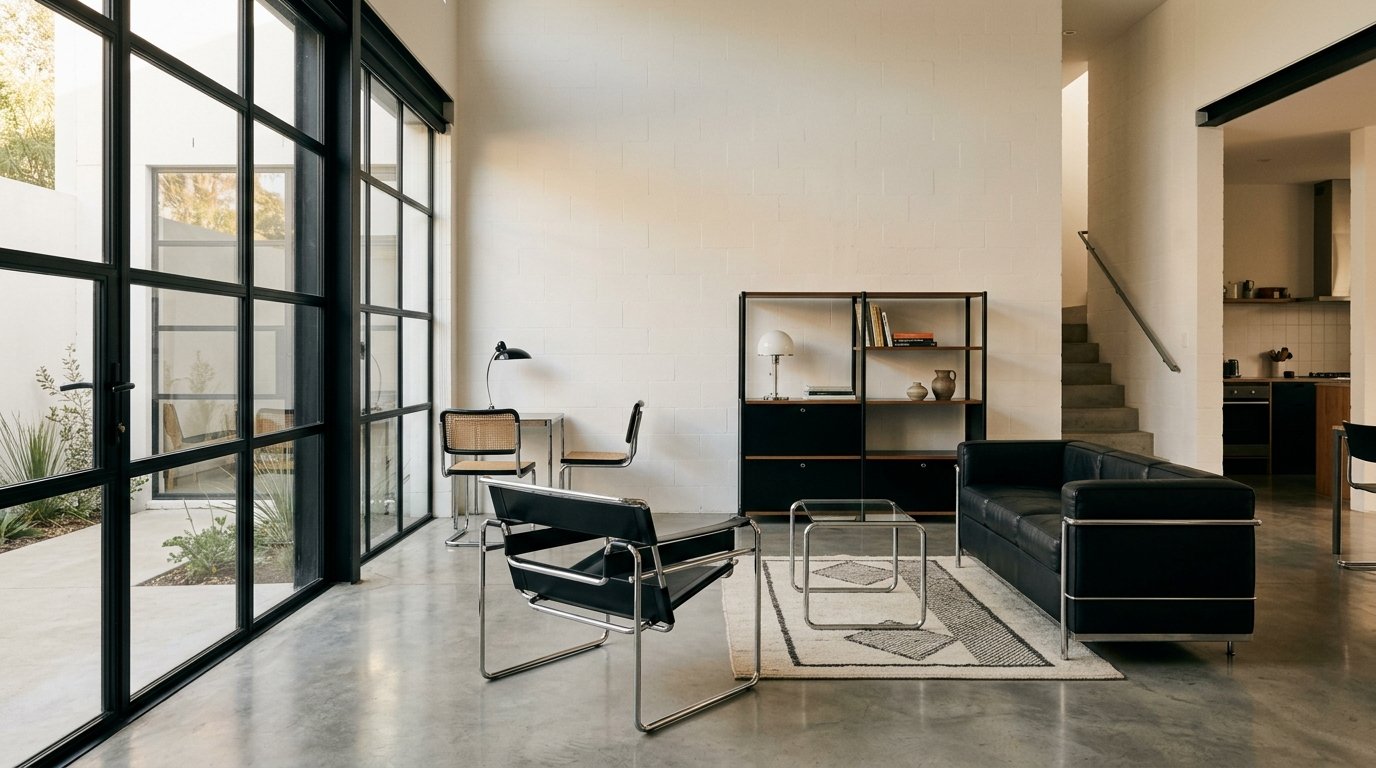
In the world of interior design, few movements have left as indelible a mark as Bauhaus. Born from a radical German art school in the early 20th century, the Bauhaus movement championed a revolutionary approach where design was stripped of unnecessary ornamentation, focusing instead on utility, efficiency, and industrial production. The guiding principle? "Form follows function." This philosophy has profoundly influenced modern aesthetics, making Bauhaus interior design a timeless choice for those who appreciate clean lines, minimalist beauty, and intelligent design.
At its core, Bauhaus was a vision for a new way of living, merging art, craftsmanship, and technology. It sought to create beautiful, functional objects and spaces accessible to everyone. Today, its principles resonate more than ever, offering a path to create serene, organized, and effortlessly stylish homes. If you've ever admired a sleek, minimalist space or a piece of furniture that's both elegant and incredibly practical, you've likely experienced the legacy of Bauhaus. And with tools like ryy.com, bringing this sophisticated style into your own home has never been easier.
The Enduring Principles of Bauhaus Interior Design
To truly understand and apply Bauhaus aesthetics, it's essential to grasp the foundational principles that define the movement. These aren't just decorative rules; they're a philosophy that dictates how spaces are conceived and how objects within them are designed.
Form Follows Function: The Core Philosophy
This iconic maxim, often attributed to architect Louis Sullivan but passionately embraced by Bauhaus leaders like Walter Gropius, is the cornerstone of the movement. It means that the purpose of an object or space should dictate its design. There's no room for extraneous decoration; every element must serve a practical purpose. For interior design, this translates to:
- Utility First: Furniture is designed for comfort and durability, not just visual appeal. A chair should be comfortable to sit in, a table sturdy enough for daily use.
- Efficiency in Design: Spaces are laid out to optimize flow and functionality. Kitchens are ergonomic, living rooms facilitate easy movement and conversation.
- Honesty of Materials: Materials are chosen for their inherent properties and left largely exposed, rather than disguised or embellished.
Think of the classic Wassily Chair by Marcel Breuer. Its tubular steel frame is not merely decorative; it’s a lightweight, strong material allowing for mass production, while its leather slings provide comfortable support. Every part serves a function, contributing to its iconic form.
Minimalism and Simplicity
The "form follows function" principle naturally leads to minimalism. Bauhaus design is characterized by:
- Clean Lines: Straight lines, geometric shapes, and smooth surfaces dominate. Curves are used sparingly and intentionally.
- Uncluttered Spaces: An absence of superfluous items. Every object in a Bauhaus-inspired room earns its place, contributing to a sense of order and calm.
- Essential Elements: Focus is on the fundamental components – walls, floors, furniture – allowing their inherent beauty and purpose to shine.
This simplicity isn't about starkness; it's about creating an environment that feels serene, intentional, and free from visual noise. It's a design philosophy that brings peace and clarity to a home.
Industrial Materials and Mass Production
The Bauhaus school actively sought to bridge the gap between art and industry. They saw beauty in modern materials and the potential for mass production to make good design accessible. Key materials include:
- Steel: Especially tubular steel, used for furniture frames due to its strength, lightness, and malleability.
- Glass: Large windows, glass tabletops, and transparent partitions enhance light and openness.
- Concrete: Embraced for its raw aesthetic and structural capabilities in architecture.
- Plywood: Used for furniture for its versatility and cost-effectiveness.
The beauty of these materials lies in their honesty and durability. They contribute to the industrial chic aesthetic that is a hallmark of the Bauhaus style, celebrating innovation and modern manufacturing.
Iconic Elements of Bauhaus Style in Your Home
Translating the abstract principles of Bauhaus into a tangible living space involves incorporating specific elements that embody the movement's aesthetic. These are the building blocks for creating an authentic Bauhaus-inspired interior.
Furniture: Geometric Forms and Functional Elegance
Bauhaus furniture is perhaps the most recognizable aspect of its design. It’s characterized by:
- Sleek Silhouettes: Pieces often feature geometric shapes – squares, circles, rectangles – and clean, uninterrupted lines.
- Exposed Frameworks: Tubular steel frames are common, showcasing the structure rather than hiding it.
- Comfort and Durability: Despite their minimalist appearance, pieces are designed for ergonomic comfort and longevity.
Iconic examples include Mies van der Rohe's Barcelona Chair, with its elegant chrome frame and quilted leather cushions, or Marcel Breuer's Cesca Chair, pairing tubular steel with woven cane. These pieces are not just furniture; they are sculptural statements that also serve a clear purpose.
Color Palette: Primary Hues & Neutrals
The Bauhaus color scheme is distinctive and deliberate:
- Neutral Base: Walls and large surfaces are typically white, off-white, gray, or black. This creates a calm backdrop that highlights the forms and textures within the room.
- Primary Accents: Bold pops of red, yellow, and blue are strategically introduced through artwork, textiles, or small decorative items. These colors were considered fundamental, pure, and capable of creating dynamic contrast.
The careful balance between a minimalist neutral foundation and vibrant primary accents creates a sophisticated yet dynamic environment, preventing the space from feeling sterile.
Lighting: Functional & Architectural
In Bauhaus design, lighting is more than just illumination; it's an integral part of the architecture and functionality of the space.
- Unobtrusive Fixtures: Lighting often features simple, geometric forms, like sphere or cylinder lamps, often made from metal or opal glass. The focus is on the light itself, not an ornate fixture.
- Ample Natural Light: Large windows are crucial, maximizing daylight and connecting the interior with the exterior. Window treatments are minimal, if any.
- Task Lighting: Lights are placed to serve specific functions – over a reading nook, a dining table, or a workspace – ensuring efficiency.
Think of Marianne Brandt's iconic MT 8 tea infuser, a perfect example of a functional object embodying Bauhaus principles, or her minimalist desk lamps. The approach to lighting is equally considered and practical.
Layout and Flow: Open & Inviting Spaces
Bauhaus principles extend to the spatial organization of a home:
- Open Floor Plans: Walls are minimized to create interconnected living areas, promoting a sense of spaciousness and fluidity.
- Clear Pathways: Furniture is arranged to facilitate easy movement through the room, avoiding clutter and obstructions.
- Zoning through Furniture: Even in open plans, distinct functional zones (e.g., dining, living, reading) are often defined by the strategic placement of furniture or rugs, rather than walls.
The goal is to create environments that feel airy, logical, and promote interaction, reflecting a modern way of life.
Bringing Bauhaus Interior Design into Your Modern Home
Embracing Bauhaus doesn't mean transforming your home into a museum. It's about adopting a mindset that values simplicity, functionality, and aesthetic purity. Here’s how to introduce this iconic style into your contemporary living space.
Start with a Neutral Canvas
The foundation of any Bauhaus-inspired room is a clean, neutral backdrop. Paint walls in shades of white, light gray, or a very muted beige. This provides the perfect stage for your furniture, art, and carefully chosen pops of color to stand out without competing for attention. Think of it as a gallery space for your life.
Invest in Key Bauhaus-Inspired Pieces
You don't need to furnish your entire home with authentic vintage Bauhaus pieces, which can be costly. Instead, focus on acquiring one or two high-quality, inspired items that embody the spirit of the movement. A tubular steel side table, a geometric wall clock, or a replica of a classic Bauhaus chair can instantly elevate a room. Look for furniture with exposed metal frames, simple upholstery (leather, canvas), and clear geometric forms. Quality over quantity is key here.
Embrace Geometric Patterns and Art
While decoration is minimal, carefully chosen geometric patterns and abstract art are welcome. Look for textiles (rugs, cushions) with grids, circles, or intersecting lines, often in the primary colors. Artwork, particularly pieces reminiscent of artists associated with Bauhaus like Wassily Kandinsky or Paul Klee, can add depth and visual interest without overwhelming the space. Consider graphic posters or prints that feature typography or architectural sketches.
Declutter Ruthlessly
A true Bauhaus interior thrives on order and clarity. This means a diligent approach to decluttering. Remove anything that doesn't serve a purpose or bring you joy. Implement smart, integrated storage solutions to keep surfaces clear and maintain that essential minimalist aesthetic. Every item should have its place, contributing to a calm and organized environment.
Practical Tips for a Bauhaus-Inspired Home:
- Prioritize Functionality: Before buying any item, ask yourself: what is its purpose? How well does it fulfill that purpose?
- Embrace Industrial Materials: Look for accents in chrome, stainless steel, glass, or even unfinished wood.
- Strategic Use of Color: Stick to a neutral base and use bold primary colors (red, yellow, blue) as deliberate accents, not dominant hues.
- Maximize Natural Light: Keep windows clear, use light-filtering blinds or simple curtains if necessary, and avoid heavy draperies.
- Opt for Open Spaces: Arrange furniture to create clear pathways and a sense of openness. If possible, consider minor architectural changes like widening doorways.
- Choose Durable & Timeless Pieces: Invest in furniture and decor that will last and not go out of style quickly.
- Integrate Smart Storage: Built-in shelving, minimalist cabinets, and hidden storage keep clutter at bay.
- Experiment with ryy.com: Want to see how a primary color accent wall or a tubular steel chair would look in your living room? Upload your room photo to ryy.com, describe your vision (e.g., "modern Bauhaus living room with yellow accent wall"), and let our AI generate design ideas for free!
Conclusion: The Timeless Appeal of Bauhaus Interior Design
The principles of Bauhaus interior design – where form always follows function – offer a powerful framework for creating spaces that are not only beautiful but also profoundly livable. Its emphasis on simplicity, clean lines, honest materials, and practical elegance ensures that a Bauhaus-inspired home remains fresh, relevant, and utterly timeless. It’s a style that celebrates intelligence in design, creating environments that feel both sophisticated and incredibly comfortable.
Ready to explore how the principles of Bauhaus interior design can transform your living space? Head over to ryy.com today! Upload a photo of your room, describe your vision (e.g., "modern Bauhaus living room with primary color accents"), and let our AI generate stunning design ideas tailored to your home – absolutely free. Discover how easy it is to bring this iconic, functional elegance into your everyday life.