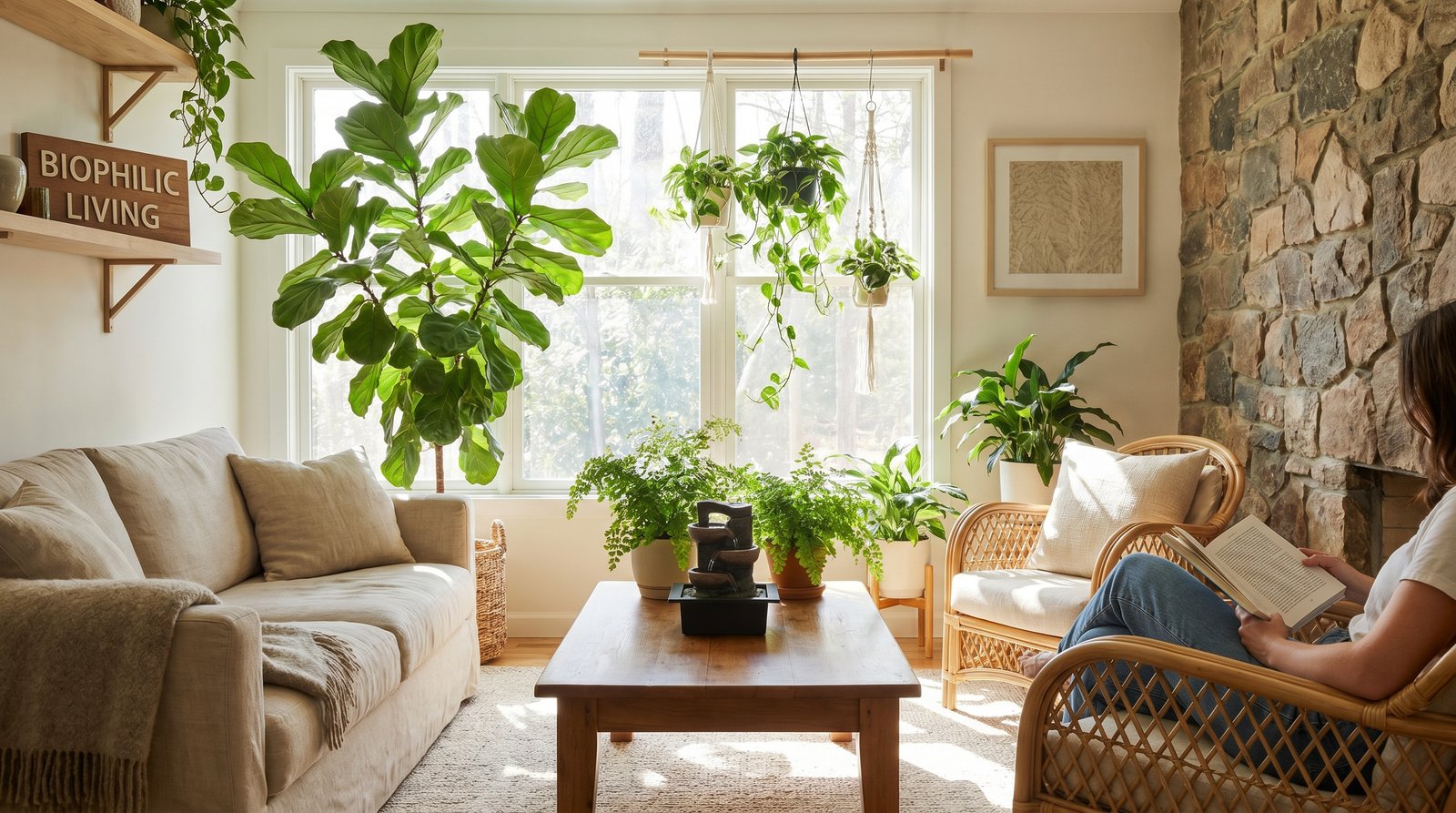
In our increasingly urbanized world, the longing for a deeper connection with nature has never been stronger. This inherent human desire is the core principle of biophilic design – an innovative approach to interior spaces that aims to bring the natural world indoors. Far more than just adding a few potted plants, biophilic design integrates natural elements, patterns, and processes into our built environments to foster health, well-being, and productivity. If you're looking to transform your living spaces into a calming, vibrant sanctuary, understanding biophilic principles is your first step. And with ryy.com, you can visualize how these natural elements will look in your own home with our free AI design tools.
The Science Behind Biophilic Design: Why We Crave Nature
The term "biophilia" was popularized by acclaimed biologist E.O. Wilson, describing "the urge to affiliate with other forms of life." This isn't just a philosophical concept; it's deeply rooted in our evolutionary history. For millennia, humans lived in constant interaction with nature, relying on its cues for survival and well-being. Modern life, often spent indoors under artificial lights, can disrupt this fundamental connection, leading to increased stress, fatigue, and decreased cognitive function. Biophilic design seeks to bridge this gap, recognizing that our connection to nature is essential for our physical and mental health.
Health and Well-being Benefits
- Reduced Stress and Anxiety: Studies show that exposure to natural environments or elements can significantly lower cortisol levels, heart rate, and blood pressure. A space designed with biophilic principles can be a powerful antidote to modern-day stressors.
- Enhanced Mood and Cognitive Function: Research indicates that even viewing nature scenes can improve mood, focus, and creativity. Incorporating nature indoors can boost concentration, improve problem-solving skills, and foster a sense of calm.
- Improved Air Quality: Many indoor plants naturally filter toxins from the air, contributing to a healthier indoor environment. This aspect of indoor plants design is a practical and beautiful way to purify your home.
- Better Sleep: Natural light patterns and calming natural aesthetics can help regulate circadian rhythms, leading to more restful sleep.
- Increased Productivity: In workspaces, biophilic elements have been linked to higher productivity, fewer sick days, and greater job satisfaction.
Environmental Connection
Biophilic design also fosters a deeper appreciation for the natural world. By bringing nature's beauty and complexity into our daily lives, it encourages us to be more mindful of our environment and promotes sustainable living practices. It's about creating spaces that not only feel good but also remind us of our interconnectedness with the planet.
Key Principles of Biophilic Design in Your Home
While the concept can seem broad, biophilic design is guided by several core principles that can be applied to any space, from a sprawling home to a compact apartment. These principles help us understand how to effectively bring nature indoors.
Direct Connection to Nature
This involves incorporating actual, tangible elements of nature into your home. Think living things, natural light, fresh air, and even water features.
- Natural Light: Maximize daylighting by keeping windows unobstructed. Use sheer curtains that allow light to filter through, and consider light-colored walls to reflect natural light deeper into rooms.
- Fresh Air and Ventilation: Open windows regularly to allow fresh air circulation. Consider air-purifying plants or even smart ventilation systems.
- Plants and Greenery: This is perhaps the most obvious and beloved aspect of bringing nature indoors. Incorporate a variety of indoor plants design elements – from large potted plants that serve as focal points to smaller plants on shelves, hanging baskets, and even vertical gardens. Choose plants suitable for your home's light conditions and your care commitment.
- Water Features: The gentle sound and visual appeal of a small indoor fountain or aquarium can be incredibly soothing and calming.
Indirect Connection to Nature
This principle focuses on evoking nature through non-living elements, patterns, and sensory experiences that remind us of the natural world.
- Natural Materials: Utilize materials like wood, stone, bamboo, cork, linen, cotton, and wool. These materials not only look beautiful but often have unique textures and scents that connect us to nature.
- Natural Colors and Patterns: Draw inspiration from nature's palette – greens, blues, earthy tones, and warm neutrals. Incorporate organic patterns found in leaves, wood grain, or geological formations through textiles, wallpapers, or art.
- Views and Vistas: Optimize views of the outdoors by strategically placing furniture to face windows. If outdoor views are limited, consider nature-inspired artwork, murals, or even living walls.
- Shapes and Forms: Incorporate organic, non-linear shapes and forms found in nature, rather than sharp, geometric designs. This can be seen in furniture curves, architectural details, or decorative objects.
Place-Based Relationships
This principle is about creating a sense of place and belonging, fostering a connection to the local ecology and culture.
- Sense of Place: Design spaces that feel unique and reflect the local environment or culture. Use locally sourced materials or artisanal crafts.
- Complexity and Order: Nature exhibits both intricate complexity and underlying order. Recreate this balance through varied plant arrangements, layered textures, and thoughtful space planning that allows for both discovery and calm.
Practical Ways to Integrate Biophilic Design into Any Room
Now that you understand the principles, let's explore how to apply biophilic design practically throughout your home.
Living Room Oasis
- Statement Plants: A large fiddle-leaf fig, Monstera, or Bird of Paradise can be a stunning focal point.
- Natural Textiles: Opt for linen throw blankets, wool rugs, and cotton cushion covers in earthy tones.
- Wooden Furniture: Choose solid wood coffee tables, side tables, or shelving units.
- Maximize Light: Arrange seating to face windows and use sheer curtains. Add a floor lamp with natural light spectrum bulbs for evenings.
Serene Bedroom Retreat
- Calming Hues: Paint walls in soothing greens, blues, or warm grays.
- Subtle Greenery: Place small, air-purifying plants like snake plants or peace lilies on nightstands or dressers. Avoid overly fragrant plants.
- Soft Lighting: Use dimmable lights and lamps with natural material shades.
- Organic Bedding: Choose organic cotton or linen sheets for comfort and natural texture.
Productive Home Office
- Desk Plants: Small plants like succulents, pothos, or a ZZ plant can boost focus and reduce eye strain.
- Natural Light: Position your desk near a window if possible. Use task lighting that mimics natural daylight.
- Wood Accents: A wooden desk organizer, a bamboo monitor stand, or a natural wood frame for artwork can add warmth.
- Views: If you have a window, ensure it offers a pleasant view. If not, use nature-inspired art or a plant wall.
Kitchen & Bathroom Refresh
- Herbs & Small Plants: A windowsill herb garden brings both greenery and functionality to the kitchen. In bathrooms, humidity-loving plants like ferns or orchids thrive.
- Natural Countertops & Tiles: Stone countertops (granite, marble, quartz) and natural stone or ceramic tiles can ground these spaces.
- Wood Accents: A wooden cutting board, bamboo bath mat, or woven storage baskets add organic texture.
- Water Flow: Consider a water-saving showerhead or a simple bowl of decorative stones in the bathroom to evoke a sense of natural water flow.
Beyond Plants: Holistic Biophilic Elements
While indoor plants design is crucial, biophilic principles extend far beyond foliage. True integration means considering all sensory experiences and natural phenomena.
Harnessing Natural Light
This is arguably the most impactful biophilic element. Prioritize large windows, skylights, and even sun tunnels. Use mirrors to reflect light into darker corners. During the day, rely on natural light as much as possible, reducing dependence on artificial illumination. When artificial light is necessary, opt for fixtures that mimic natural light spectrums and allow for dimming to adjust with the time of day.
Incorporating Natural Materials
The texture, scent, and visual appeal of natural materials instantly connect us to the outdoors. Think about exposed brick, stone feature walls, solid wood flooring, or furniture made from rattan and bamboo. Choose textiles like linen, cotton, hemp, and wool for upholstery, curtains, and rugs. These materials often age beautifully, telling a story of their natural origins.
Views and Vistas
If you're lucky enough to have a window with a beautiful view of trees, water, or even a well-maintained garden, make the most of it. Arrange your furniture to take advantage of these natural vistas. If your views are less than ideal, create your own. A large piece of art depicting a natural landscape, a stunning nature photograph, or even a carefully curated living wall can serve as a powerful focal point that brings the essence of the outdoors in.
Sounds and Scents of Nature
Our senses of hearing and smell are powerful triggers for memory and emotion. The gentle trickle of an indoor water feature can be incredibly calming. For scents, avoid artificial air fresheners. Instead, use essential oil diffusers with natural aromas like cedarwood, pine, lavender, or citrus. Fresh flowers, scented herbs like rosemary or mint, and even natural beeswax candles can subtly infuse your home with delightful, natural fragrances.
Practical Tips for Your Biophilic Journey
- Start Small: You don't need to overhaul your entire home at once. Begin with one room or even one corner. Add a new plant, swap out a synthetic throw for a wool one, or simply rearrange furniture to maximize natural light.
- Observe Your Home: Pay attention to where natural light falls throughout the day. Identify areas that feel stagnant or devoid of life. These are prime candidates for biophilic interventions.
- Choose the Right Plants: Research plants that thrive in your home's light conditions and match your commitment level. Consider plants with varied leaf shapes, textures, and heights for visual interest.
- Think Vertically: If floor space is limited, consider hanging plants, wall-mounted planters, or even a small vertical garden.
- Embrace Imperfection: Nature isn't perfectly symmetrical or flawless. Allow for natural variations in wood grain, stone patterns, and plant growth.
- Declutter: A cluttered space can negate the calming effects of biophilic design. Clear away excess items to allow natural elements to breathe and shine.
- Seek Inspiration: Look at nature photography, visit botanical gardens, or browse design magazines for ideas on how others have successfully incorporated nature indoors.
Visualize Your Biophilic Dream with ryy.com
Integrating biophilic design into your home is a journey towards a healthier, happier, and more connected lifestyle. By thoughtfully bringing nature indoors, you're not just decorating; you're creating an environment that supports your well-being on multiple levels. Ready to see how stunning a natural, biophilic interior can look in your own home? Don't just imagine it – visualize it! With ryy.com's free AI design tools, you can easily upload a photo of your room and experiment with different biophilic elements, from luscious indoor plants design layouts to natural material palettes, and see your vision come to life instantly. Start designing your natural sanctuary today!