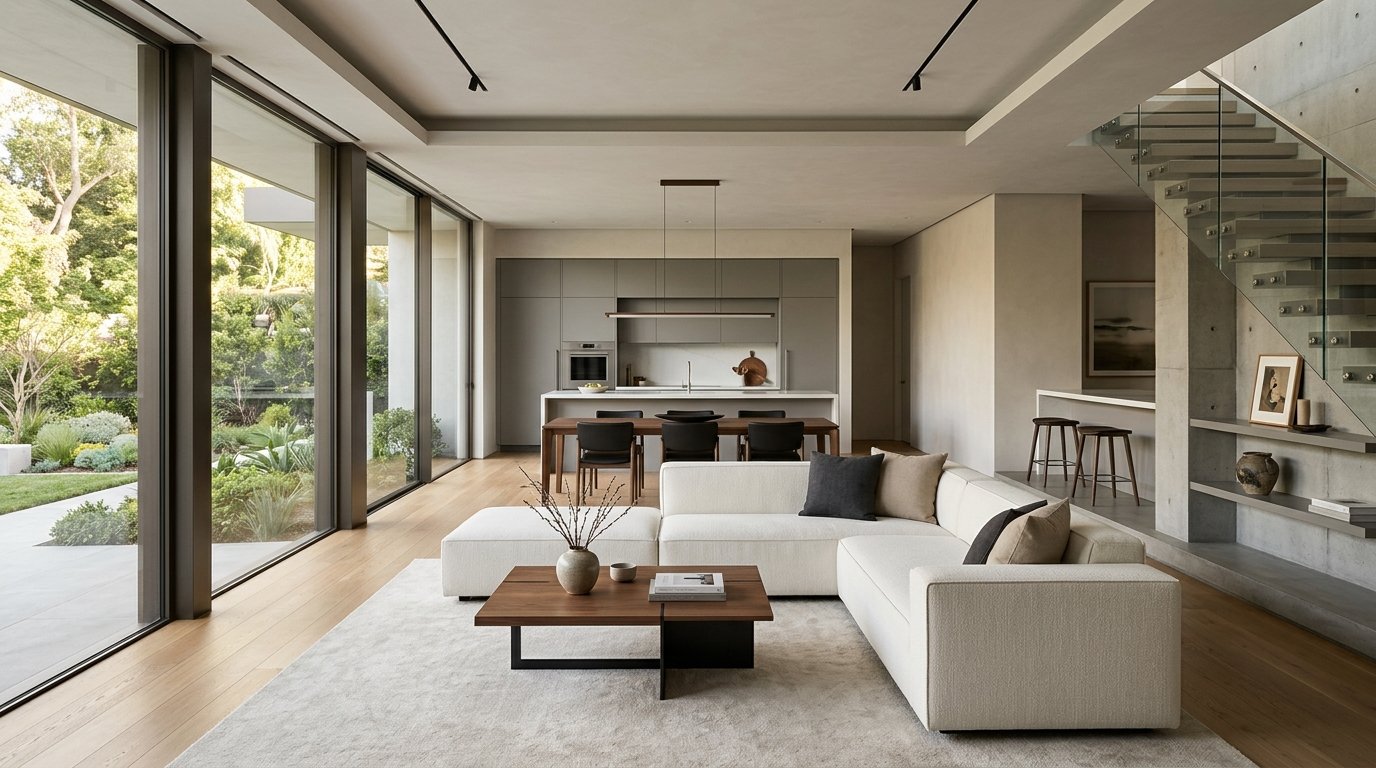
Are you yearning for a home that feels fresh, organized, and effortlessly sophisticated? Do you dream of spaces that blend comfort with cutting-edge style, free from clutter and unnecessary frills? If so, then contemporary interior design might be the perfect aesthetic for your modern living aspirations. It's a style defined by its dynamic nature, constantly evolving to reflect current trends while maintaining a core philosophy of clean lines, functional elegance, and a serene, uncluttered environment.
At ryy.com, we understand that transforming your home can feel daunting. That's why we're here to demystify contemporary design, providing you with the insights and tools to bring this coveted look into your own living spaces. Forget rigid rules; contemporary design is about creating a harmonious, inviting atmosphere that feels distinctly "now."
Understanding Contemporary Interior Design: More Than Just "Modern"
Often confused with "modern" design, contemporary interior design holds a unique place in the design world. While they share some similarities, understanding the distinction is key to truly embracing the contemporary aesthetic.
What Defines Contemporary?
The essence of contemporary design lies in its name: "contemporary" means "of the moment" or "existing at the same time." Unlike historical styles tied to specific eras, contemporary design is fluid, current, and ever-evolving. It's a reflection of what's popular and functional right now, borrowing elements from various movements like minimalism, industrial, and even deconstructivism, all distilled into a cohesive, comfortable, and highly sophisticated whole.
- Timeless yet Trendy: It aims for longevity through simplicity but isn't afraid to incorporate current materials, technologies, and art.
- Emphasis on Comfort: While sleek, contemporary spaces are designed for living, prioritizing comfort and functionality.
- Neutral Foundation: A backbone of calming neutrals, allowing for versatility and the strategic introduction of color.
- Uncluttered Spaces: A paramount feature, promoting a sense of calm and order.
Contemporary vs. Modern: A Crucial Distinction
It's a common misconception, but "modern" and "contemporary" are not interchangeable terms in design. Understanding this difference is fundamental:
- Modern Design: Refers to a specific historical period from the early to mid-20th century (roughly the 1920s to the 1960s). It emerged from movements like Bauhaus and Mid-Century Modern, characterized by clean, unadorned forms, natural materials, and a rejection of ornate Victorian styles. Think Eames chairs and Scandinavian simplicity. Modern design is a fixed style.
- Contemporary Design: Is dynamic and represents the styles popular *today*. It doesn't adhere to a single design period but rather draws inspiration from various eras and evolving trends. While it shares modernism's affinity for clean lines and minimalism, it can be softer, more curvilinear, and more expressive. Contemporary design is always in motion, reflecting current tastes and innovations.
In short, all modern design can be contemporary at some point, but not all contemporary design is modern. Contemporary design is an ongoing conversation, always adapting.
The Core Elements of Contemporary Interior Design: Clean Lines for Purposeful Living
The signature look of contemporary interiors stems from a deliberate combination of key elements. Mastering these will unlock the ability to create truly impactful spaces.
Color Palettes: A Foundation of Serenity and Sophistication
The contemporary palette is largely built on a foundation of neutrals. Think soothing grays, crisp whites, warm beiges, and sophisticated blacks. These colors create a calming backdrop, allowing the architecture, furniture, and curated art to take center stage.
- Grays and Whites: Offer a clean, airy feel and serve as excellent canvases.
- Beiges and Creams: Introduce warmth and softness without sacrificing simplicity.
- Black: Used as an accent for depth, drama, or to define architectural elements.
- Strategic Pops of Color: While neutrals dominate, vibrant hues are often introduced sparingly through carefully chosen accessories, artwork, or a single statement piece of furniture. This adds personality and focal points without overwhelming the space.
Furniture: Form Meets Function with Minimalist Flair
Contemporary furniture is characterized by its clean, unadorned lines, geometric shapes, and a focus on comfort and utility. You won't find excessive carving or ornamentation here. Instead, pieces are streamlined, often low-profile, and crafted to emphasize their materials and form.
- Sleek Silhouettes: Sofas, chairs, and tables often feature exposed legs, simple upholstery, and crisp edges.
- Versatility: Pieces are often adaptable, serving multiple functions without sacrificing aesthetics.
- Quality Materials: Expect natural wood, polished metal (chrome, brushed steel), glass, and smooth, durable fabrics like linen, wool, or leather.
Imagine a low-slung sectional sofa with clean lines, a glass-top coffee table with a geometric metal base, or dining chairs with minimalist frames – these are hallmarks of contemporary furniture.
Uncluttered Spaces & Negative Space: The Art of Less is More
Perhaps the most defining characteristic of contemporary design is its commitment to uncluttered spaces. Every item in a contemporary room has a purpose and a place. The absence of clutter creates a sense of calm and allows the eye to appreciate the chosen elements.
- Intentional White Space: Walls, floors, and empty areas are as important as the objects themselves. This "negative space" allows objects to breathe and prevents the room from feeling cramped.
- Built-in Storage: Clever storage solutions, often integrated seamlessly into the architecture, help maintain a tidy environment.
- Open Layouts: Many contemporary homes feature open-concept living, dining, and kitchen areas, promoting a flow and spaciousness.
Materials & Textures: A Play of Contrasts and Sensory Appeal
While clean lines define the visual structure, a rich interplay of materials and textures adds depth and warmth to contemporary spaces. This prevents the look from feeling sterile or cold.
- Natural Elements: Wood (often light-toned or dark, rich grains), stone (marble, granite, slate), concrete, and cork bring an organic touch.
- Man-made Finishes: Polished chrome, stainless steel, glass, acrylic, and high-gloss lacquers introduce sleekness and reflectivity.
- Luxurious Textiles: Soft wool rugs, plush velvet throws, crisp linen curtains, or silk pillows add tactile warmth and visual interest. The contrast between smooth and rough, hard and soft, is key.
A polished concrete floor might be softened by a large, shaggy rug; a sleek metal lamp might sit beside a rustic wooden console. It's all about intentional balance.
Lighting & Art: Sculptural and Strategic Statements
In contemporary design, lighting and art transcend their functional roles to become sculptural elements themselves. They are carefully chosen to enhance the aesthetic and create focal points.
- Architectural Lighting: Recessed lighting, track lighting, and cove lighting provide ambient illumination without visual clutter.
- Statement Fixtures: Pendant lights, floor lamps, and table lamps are often chosen for their unique shapes, materials, and ability to serve as works of art.
- Natural Light: Maximizing natural light is crucial. Large windows, minimal window treatments, and reflective surfaces help bounce light around the room.
- Curated Art: Rather than a gallery wall of many small pieces, contemporary spaces often feature one or two large, impactful pieces of abstract art, photography, or sculpture. These are chosen for their color, form, and ability to provoke thought.
Practical Steps to Achieve Contemporary Interior Design in Your Home
Ready to infuse your home with the elegance of contemporary style? Here’s how you can start:
1. Begin with a Bold Decluttering
This is non-negotiable. Go through every room and ruthlessly remove anything that doesn't serve a purpose or bring you joy. Think minimalist; if it doesn’t add value, it adds visual noise. Invest in smart, hidden storage solutions like built-in cabinets or sleek storage ottomans.
2. Embrace a Neutral Color Palette
Start with a base of white, gray, beige, or greige for walls, large furniture pieces (sofa, rug), and curtains. This creates a calm and cohesive backdrop. Once your foundation is set, you can strategically introduce a single, vibrant accent color through cushions, a piece of art, or a decorative vase.
3. Invest in Key Furniture Pieces with Clean Lines
Prioritize quality over quantity. Look for a sofa with a simple, geometric silhouette and exposed legs. Choose a coffee table with a glass or polished metal top. Dining chairs should be sleek and comfortable. Remember, each piece should be a statement of form and function.
4. Mix Materials and Textures for Depth
To avoid a flat look, layer different textures. Pair a smooth leather sofa with soft woolen throws and linen pillows. Combine a wooden dining table with metallic-framed chairs. Introduce a large, textured rug to ground the space and add warmth.
5. Optimize Your Lighting Strategy
Think beyond a single overhead light. Incorporate layered lighting: recessed lights for ambient illumination, a stylish floor lamp for task lighting, and perhaps a sculptural pendant light over your dining table as a focal point. Utilize dimmers to control mood and maximize natural light with minimal window treatments.
6. Curate Your Art and Accessories
Less is truly more here. Instead of many small items, select a few large, impactful pieces. A large abstract painting or a striking sculpture can define a room. For accessories, choose thoughtful items with interesting forms or textures, like a unique ceramic vase or a geometric candle holder. Keep surfaces largely clear to emphasize the clean lines.
7. Incorporate Greenery Thoughtfully
Indoor plants with simple, architectural forms (like a Fiddle Leaf Fig or Snake Plant) in minimalist planters can add life and a touch of nature without disrupting the clean aesthetic. They provide a pop of organic color and freshness.
Realizing Your Contemporary Vision with ryy.com
Embarking on a design project can be exciting, but also overwhelming. Deciding on the perfect layout, selecting the right furniture that embodies clean lines, choosing a harmonious color scheme, and envisioning it all before making any commitments can be a challenge. This is where ryy.com comes in.
Our free AI interior design tools are specifically designed to empower homeowners and design enthusiasts like you. Imagine being able to:
- Visualize Layouts Instantly: Upload a photo of your room and experiment with different contemporary furniture arrangements. See how a sleek sectional fits, or where a minimalist console table would look best.
- Experiment with Color Palettes: Test various neutral backdrops and accent colors without lifting a paint brush. Our AI can suggest palettes that align perfectly with contemporary interior design principles.
- Discover Furniture & Decor: Explore a vast library of modern and contemporary furniture styles, seeing how different pieces complement each other in your actual space.
- Get Inspired: Browse endless contemporary design ideas tailored to different room types and aesthetics, sparking your creativity.
ryy.com takes the guesswork out of design, giving you the confidence to make informed decisions and create a truly stunning contemporary home that reflects your personal style and needs. It’s a risk-free way to virtually design your dream space before you spend a single dollar.
Conclusion: Embrace the Elegance of Contemporary Living
Contemporary interior design offers a refreshing approach to modern living, emphasizing clean lines, functional elegance, and a serene atmosphere. It’s a dynamic style that constantly adapts, ensuring your home always feels current and inviting. By focusing on intentional choices in color, furniture, materials, and lighting, you can craft a sophisticated and comfortable environment that truly enhances your daily life.
Are you ready to transform your home with the refined simplicity of contemporary design? Don't let uncertainty hold you back. Visit ryy.com today and harness the power of our free AI design tools to visualize your perfect contemporary space. Start designing your dream home with ease and confidence!