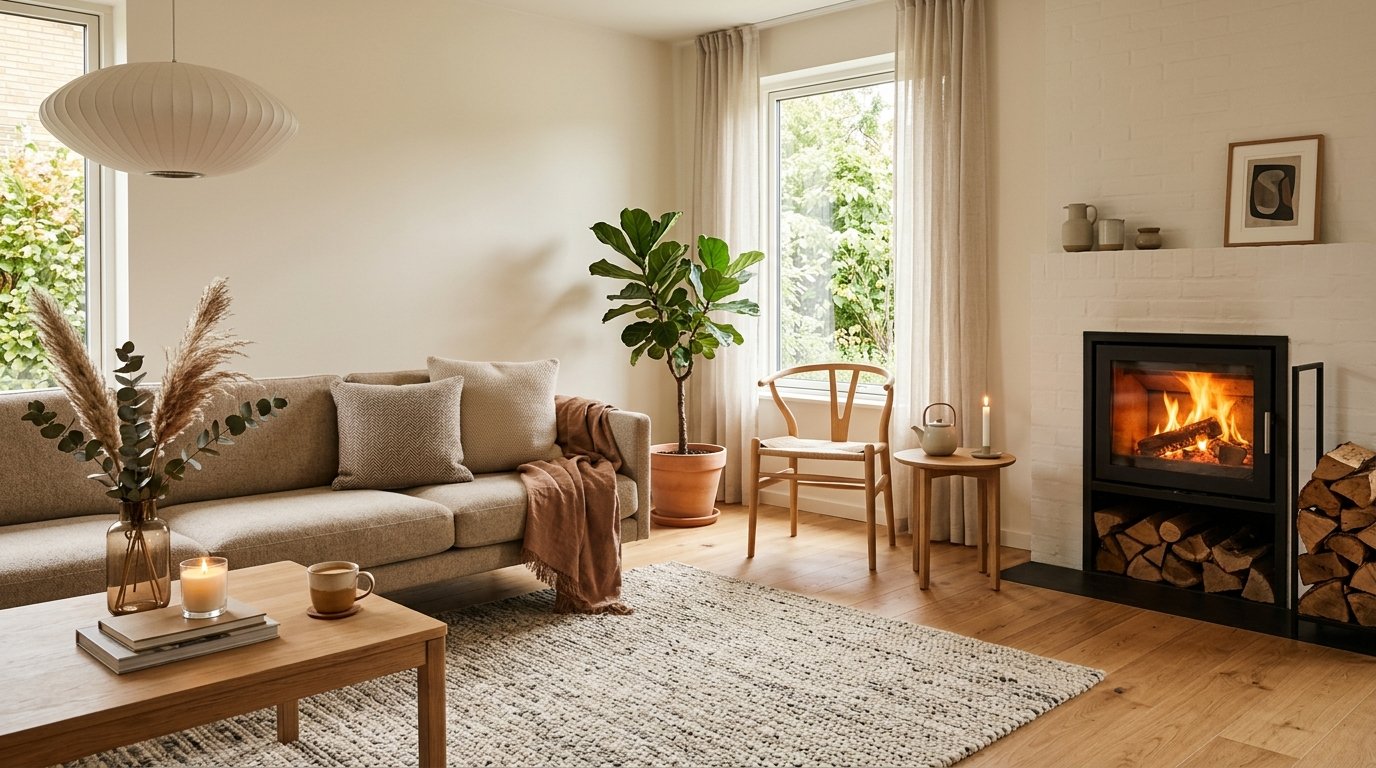
In a world often overwhelmed by visual clutter and fleeting trends, there's a timeless appeal to a design philosophy that champions simplicity, functionality, and well-being. This is the essence of Danish design, a movement that has captivated homeowners and interior enthusiasts worldwide. Far from being a mere aesthetic, it's a way of living that prioritizes comfort, quality, and a deep connection to nature. If you're looking to infuse your living spaces with a sense of calm, purpose, and enduring style, understanding the core tenets of a true danish design home is your first step.
At its heart, Danish design is about creating environments that support a good life. It's about designing pieces and spaces that are beautiful to behold, comfortable to use, and built to last. It's about 'hygge' – that uniquely Danish concept of coziness, contentment, and embracing life's simple pleasures. This comprehensive guide will explore the fundamental principles that define this iconic style and show you how to seamlessly integrate them into your modern home, transforming it into a sanctuary of understated elegance.
Ready to visualize how these principles can transform your space? Before you dive into the details, remember you can always head over to ryy.com and use our free AI design tools to experiment with Danish design aesthetics in your own photos!
The Core Principles of Danish Design: Function, Form, and Feeling
To truly appreciate Danish design, one must first grasp the foundational principles that distinguish it. These aren't just rules; they are a philosophy that shapes every curve, every material choice, and every spatial arrangement.
Functionality Over Ornamentation
Perhaps the most defining characteristic of Danish design is its unwavering commitment to functionality. Every element, from a chair to a lamp, serves a purpose. There's a strong belief that good design should enhance daily life, making tasks easier and spaces more intuitive. Unnecessary embellishments are stripped away, leaving behind clean lines and honest forms that speak for themselves. This focus ensures that your home isn't just beautiful, but also eminently livable and practical.
Simplicity and Minimalism
Danish design embraces a minimalist aesthetic, but not in a cold or stark way. Instead, it's a warm, inviting minimalism that celebrates empty space as much as curated objects. The emphasis is on uncluttered environments where essential items are given room to breathe. This simplicity contributes to a sense of calm and order, reducing visual noise and allowing the mind to relax. Think clean surfaces, ample natural light, and a carefully chosen few pieces that truly matter.
Natural Materials and Craftsmanship
A deep respect for nature and traditional craftsmanship is woven into the fabric of Danish design. Wood, especially light-colored varieties like oak, beech, and ash, is paramount. You'll also find natural fibers like wool, cotton, and linen, along with leather, ceramic, and glass. These materials are chosen not only for their aesthetic beauty but also for their durability, tactile qualities, and the way they age gracefully. The emphasis on high-quality craftsmanship means that furniture and objects are built to last, becoming cherished pieces passed down through generations.
Hygge: Creating Coziness and Well-being
No discussion of Danish design would be complete without 'hygge.' More than just a trend, hygge is a cultural concept that encapsulates comfort, coziness, and contentment. It's about creating an atmosphere where you feel warm, safe, and connected. In design terms, this translates to soft lighting, warm textures, inviting seating arrangements, and elements that encourage relaxation and social interaction. It's the feeling you get curled up on a sofa with a good book and a warm drink, surrounded by gentle light and soft blankets.
Iconic Elements of a Danish Design Home
While principles guide the philosophy, specific elements bring the danish design home to life. These are the tangible components that create the distinctive look and feel.
Furniture: Form Meets Function in Masterpieces
Danish furniture design is legendary, characterized by ergonomic shapes, innovative construction, and timeless appeal. Designers like Arne Jacobsen, Hans Wegner, and Finn Juhl created iconic pieces that are both sculptural and incredibly comfortable. Think of Wegner's Wishbone Chair or Jacobsen's Egg Chair – pieces that seamlessly blend art with utility. When selecting furniture, prioritize pieces with clean lines, exposed wood frames, and thoughtful details that reveal their craftsmanship. Look for versatility; a side table might double as extra seating, or a shelving unit offers both storage and display space.
Lighting: Setting the Mood and Enhancing Spaces
Lighting is crucial in Danish design, particularly given the long, dark winters. The goal is to create soft, diffused, and layered illumination rather than harsh, overhead glare. Iconic Danish lamps, like those by Poul Henningsen (PH lamps), are designed to eliminate direct glare and distribute light beautifully. Incorporate various light sources: overhead pendants for general illumination, floor lamps for ambient light, and table lamps for task lighting or cozy accents. Dimmers are a must to adjust the mood throughout the day.
Color Palette: Serene, Neutral, and Earth-Inspired
The typical Danish design color palette is calming and understated. Whites, off-whites, greys, and muted earth tones form the foundation, creating a serene backdrop that allows natural materials and textures to shine. Pops of color are usually subtle and drawn from nature – a deep forest green, a soft blue reminiscent of the sea, or a warm ochre. This neutral base creates a sense of spaciousness and tranquility, making the home feel cohesive and peaceful.
Textiles and Textures: Warmth and Tactile Comfort
To counteract the potential coolness of minimalism, Danish design expertly incorporates textiles and textures to add warmth and tactile appeal. Think chunky knit throws draped over a sofa, sheepskin rugs underfoot, linen curtains gently filtering light, and soft wool cushions. These elements invite touch, provide comfort, and add depth and interest to a room without introducing excessive pattern or color. Layering different textures is key to achieving that coveted hygge feeling.
Imagine effortlessly experimenting with these elements in your own home. With ryy.com's free AI design tools, you can upload a photo of your room and instantly see how a neutral palette, natural wood furniture, or layered textiles could transform it! It's like having a personal Danish design consultant at your fingertips.
Bringing Danish Design into Your Modern Home: Practical Steps
Now that you understand the principles and key elements, let's explore actionable ways to integrate Danish design into your contemporary living space.
Declutter Ruthlessly and Embrace Minimalism
The first and most crucial step is to declutter. A truly Danish-inspired space is free from unnecessary items. Go through each room and remove anything that doesn't serve a purpose or bring you joy. Adopt the "less is more" philosophy, focusing on quality over quantity. This creates mental space and allows the beauty of your chosen pieces to stand out.
Invest in Quality Over Quantity
Rather than filling your home with cheap, disposable items, save up for well-crafted pieces made from natural materials. A single, beautifully designed wooden table will bring more lasting satisfaction and style than several mediocre ones. Danish design is an investment in longevity and timelessness. These pieces often become heirlooms, telling a story through their wear and patina.
Prioritize Natural Light
Maximize natural light whenever possible. Keep windows unobstructed by heavy drapes; opt for light, sheer curtains or blinds that can be easily pulled back. Arrange furniture to take advantage of sunlight and ensure artificial lighting is soft, warm, and strategically placed to create inviting zones rather than harsh overhead illumination.
Curate Your "Hygge" Corner
Designate a specific area in your home where you can truly relax and unwind. This might be a comfortable armchair by a window, a cozy reading nook, or a plush corner of your living room. Equip it with soft throws, inviting cushions, a small table for a warm drink, and a good reading lamp. This dedicated space encourages mindfulness and provides an escape from daily stresses.
Mix Old and New Thoughtfully
Danish design isn't about creating a museum piece. It’s common to see vintage finds, family heirlooms, or handcrafted items mixed with modern pieces. This blend adds character, depth, and a personal touch, ensuring your home feels lived-in and authentic rather than sterile. The key is to ensure each item contributes to the overall aesthetic of simplicity and quality.
Introduce Greenery
Bring the outdoors in with a selection of indoor plants. They add life, color, and a sense of freshness to minimalist spaces. Choose simple, elegant planters that complement your neutral palette. Large fiddle-leaf figs, snake plants, or a collection of smaller succulents can instantly elevate a room and purify the air.
Practical Tips for Your Danish Design Home
- Start Small: Begin by decluttering one room or even one surface to see the immediate impact of minimalism.
- Focus on One Quality Piece: Instead of buying many things, save for one iconic Danish-inspired chair, lamp, or storage unit.
- Layer Textures: Use wool, linen, cotton, and sheepskin to add warmth and depth to neutral spaces.
- Embrace Natural Wood: Integrate natural wood elements through furniture, flooring, or decorative objects.
- Soft Lighting is Key: Replace harsh bulbs with warm-toned LEDs and use multiple light sources with dimmers.
- Create Personal Vignettes: Arrange a few cherished items (books, ceramics, small plants) on a shelf or tabletop.
- Consider Acoustics: Textiles, rugs, and plants can help soften sounds, contributing to a calmer atmosphere.
Conclusion: Your Serene and Stylish Danish Design Home Awaits
Embracing Danish design principles means more than just adopting a style; it's about cultivating a lifestyle centered on intentionality, comfort, and enduring beauty. By prioritizing functionality, simplicity, natural materials, and the spirit of hygge, you can transform your modern home into a tranquil oasis that truly reflects your values.
The journey to creating your ideal danish design home is an exciting one, and you don't have to embark on it alone. Ready to see how these timeless principles can come to life in *your* space? Head over to ryy.com today and leverage our free AI design tools! Simply upload a photo of your room, tell our AI your vision (e.g., "Danish minimalist living room"), and watch as it generates inspiring design ideas tailored just for you. Start designing your dream home with ryy.com!