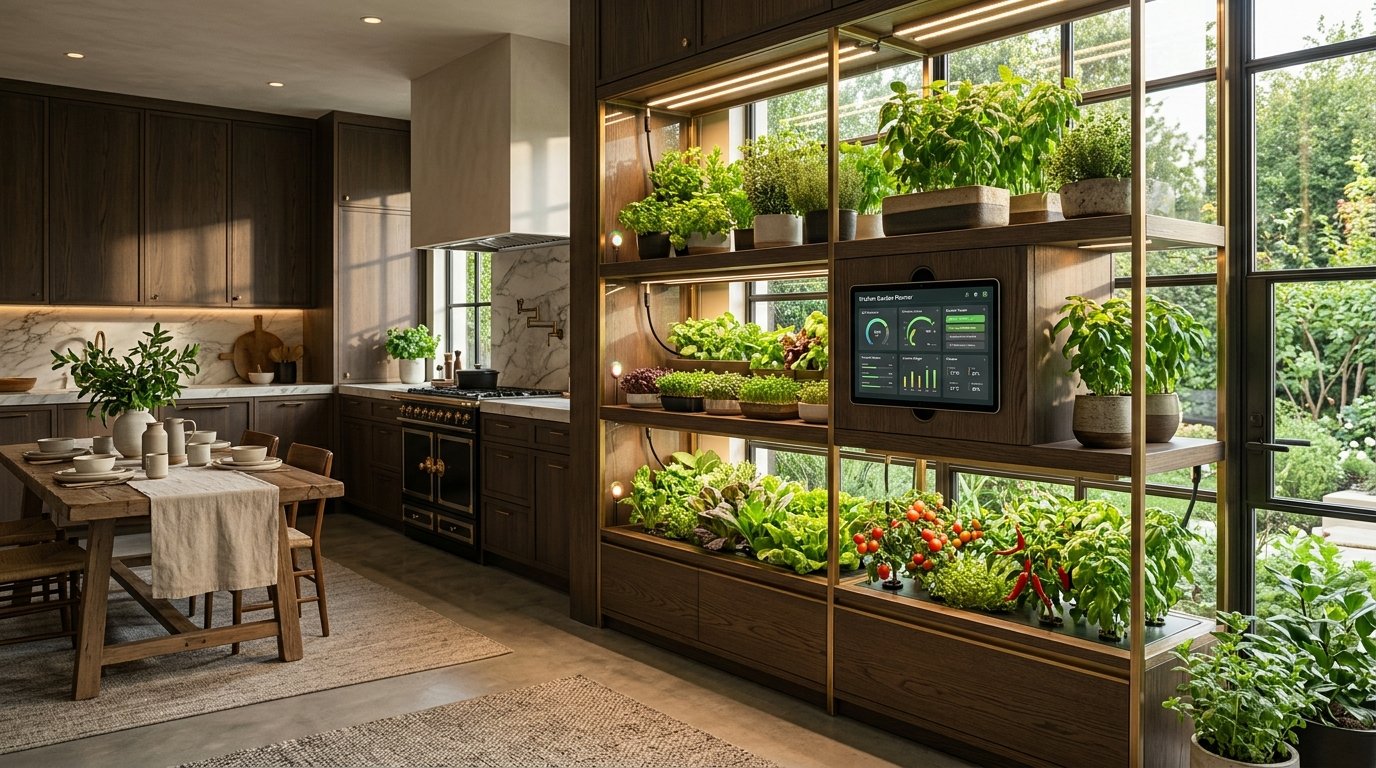
Imagine stepping out your back door to pluck fresh herbs for dinner, crisp lettuce for a salad, or ripe tomatoes for a sauce, all grown in your own backyard. This isn't just a dream; it's the joy of a kitchen garden. But transforming that dream into a reality can feel daunting. From understanding soil types and sunlight patterns to choosing the right plants and laying out an efficient space, there's a lot to consider. What if you could leverage cutting-edge technology to simplify this process? Enter the world of kitchen garden AI design, where artificial intelligence becomes your personal landscape architect, helping you cultivate the edible oasis you've always wanted.
For homeowners and design enthusiasts alike, integrating a functional and beautiful kitchen garden into your outdoor space is the ultimate blend of practicality and aesthetics. AI-powered design platforms, like ryy.com, are revolutionizing how we approach home improvement projects, and this extends far beyond interior walls. By utilizing AI, you can take the guesswork out of garden planning, ensuring your edible haven thrives and complements your home's overall design.
Understanding Your Space and Climate with AI
The first step to any successful garden is truly understanding its environment. Traditionally, this involved a lot of trial and error, squinting at sun paths, and hours of research. AI design tools streamline this initial phase, providing data-driven insights that lead to smarter, more sustainable garden planning.
Analyzing Sunlight and Soil
Sunlight is the lifeblood of any plant, and getting it right is crucial for a kitchen garden. Different plants have different light requirements – some crave full sun, while others prefer partial shade. AI can analyze satellite imagery of your property, taking into account seasonal changes and existing structures (trees, fences, your house itself) to create detailed sun mapping. This tells you exactly how many hours of direct sunlight each area of your garden receives throughout the day and year.
Beyond light, soil is the foundation. While AI can't physically test your soil (yet!), it can integrate data from local agricultural databases or even interpret manual soil test results you input. This can provide recommendations for soil amendments based on your region's common deficiencies or excesses, suggesting organic matter, compost, or specific nutrients to optimize your growing medium. No more guessing if your tomatoes will get enough sun or if your carrots will thrive in your particular soil type.
Climate Zone and Plant Selection
Knowing your USDA Plant Hardiness Zone or similar local climate classifications is fundamental for choosing plants that will survive and flourish. AI design platforms can automatically identify your climate zone based on your location and then filter plant databases to recommend species that are best suited to your specific temperature ranges, frost dates, and average rainfall. This eliminates the frustration of planting something beautiful only for it to wilt under an unexpected frost or scorch in a heatwave.
Furthermore, AI can go beyond mere hardiness. It can suggest drought-tolerant options for arid climates, humidity-loving plants for tropical zones, or robust varieties for windy areas. This intelligent plant selection not only ensures your garden's success but also promotes biodiversity and resilience, leading to a more sustainable and low-maintenance kitchen garden.
Optimizing Layout and Plant Grouping: The Kitchen Garden AI Design Advantage
Once you understand your environment, the next challenge is designing a functional and aesthetically pleasing layout. This is where kitchen garden AI design truly shines, transforming complex spatial planning into an intuitive, interactive experience.
Efficient Space Planning
Whether you have a sprawling backyard or a tiny balcony, efficient space utilization is key. AI design tools can generate various layout options based on your available footprint, desired plant count, and ergonomic considerations. Imagine inputting your garden dimensions, and the AI presents options for raised beds, in-ground rows, container gardens, or a combination, complete with optimal spacing for pathways and accessibility. It can help you visualize how a series of raised beds might fit into your yard, or where a small herb spiral would best complement your patio.
The AI considers factors like mature plant size to prevent overcrowding, ensuring each plant has enough room to grow without competing excessively for resources. It can even suggest layouts that maximize sunlight exposure for sun-loving plants while providing shade for those that prefer it, creating microclimates within your garden space.
Companion Planting Recommendations
One of the oldest tricks in the gardening book is companion planting – growing certain plants together to benefit each other (e.g., deterring pests, improving growth, enhancing flavor). AI takes the guesswork out of this intricate practice. By analyzing its vast database of plant interactions, AI can suggest ideal companion pairings for your chosen crops. For instance, it might recommend planting marigolds near tomatoes to deter nematodes, or basil nearby to enhance tomato flavor. It can also warn against detrimental pairings that could inhibit growth, like planting fennel near most other vegetables.
This intelligent grouping not only improves plant health and yield but also reduces the need for chemical interventions, making your kitchen garden more organic and sustainable. It’s like having a master gardener advise your every planting decision.
Vertical Gardening Solutions
For those with limited ground space, vertical gardening is a game-changer. AI design platforms can help you conceptualize and plan vertical structures like wall-mounted planters, tiered shelves, or trellises. You can input the dimensions of a wall or fence, and the AI can generate designs for vertical gardens, suggesting appropriate plants that thrive in such setups (e.g., strawberries, leafy greens, herbs). It can even optimize the placement of these vertical elements to catch the most sun or integrate seamlessly with your home's exterior design.
This capability is particularly valuable for urban dwellers or anyone looking to maximize their yield in a small area, turning unused vertical space into a productive part of their kitchen garden.
Visualizing Your Garden Before You Dig
One of the most exciting aspects of using AI for design is the ability to see your vision come to life before you even break ground. This prevents costly mistakes and ensures you love the final outcome.
3D Renderings and Virtual Tours
Imagine being able to virtually walk through your future kitchen garden. AI design tools can generate stunning 3D renderings and even virtual tours of your proposed garden layout. You can see how different plant varieties will look at maturity, how pathways will flow, and how raised beds integrate into the landscape. This level of visualization allows you to make informed decisions about aesthetics, scale, and functionality.
Platforms like ryy.com, known for their powerful interior design visualization, offer a glimpse into how such AI capabilities can be extended to outdoor spaces. While ryy.com primarily focuses on interiors, the underlying AI principles for spatial planning and 3D rendering can fundamentally transform how we conceptualize and visualize *any* space, including your dream kitchen garden. You can experiment with different materials for paths, edgings, or even garden sheds, seeing how they complement your home's exterior.
Iteration and Customization Made Easy
The beauty of AI-powered design is its flexibility. Don't like a particular plant arrangement? Want to try a different type of raised bed? With a few clicks, you can modify elements and instantly see the updated design. This iterative process allows you to experiment with countless possibilities without any physical effort or cost. You can easily compare different designs side-by-side, solicit feedback from family members, and refine your plan until it's absolutely perfect.
This ease of customization empowers you to be your own garden designer, giving you creative control while leveraging AI for the complex calculations and visualizations. It means less time second-guessing and more time enjoying the planning process.
Beyond Design: Ongoing Garden Management Insights
AI's role doesn't necessarily stop once your garden is designed. Advanced AI concepts and platforms (some still emerging) offer potential for ongoing support, helping your kitchen garden thrive long after it's planted.
Watering and Fertilization Schedules
Based on your chosen plants, local weather patterns, and soil type, AI could generate personalized watering schedules, even integrating with smart irrigation systems. It could also recommend fertilization schedules, specifying the type and amount of nutrients needed at different stages of plant growth. This proactive guidance helps prevent common gardening pitfalls like over or under-watering and nutrient deficiencies, ensuring healthier, more productive plants.
Pest and Disease Prevention
By monitoring local weather conditions and historical data, AI could alert you to potential pest outbreaks or disease risks specific to your region and plants. It might suggest preventive measures or early interventions, helping you protect your crops before problems become severe. Imagine an alert telling you that powdery mildew is common for squash in your area this time of year, with suggestions for organic preventative sprays.
Practical Tips for Integrating AI into Your Kitchen Garden Planning
- Start with Your Vision: Before jumping into any tool, think about what you want to grow, how much time you have, and what aesthetic you prefer.
- Gather Basic Data: Know your plot dimensions, sun exposure (even a rough estimate), and local climate zone. This will be invaluable for any AI tool.
- Experiment with Layouts: Don't settle for the first design. Use AI to generate multiple options and play around with different configurations for beds, paths, and plant groupings.
- Focus on Integration: Consider how your kitchen garden will look from your kitchen window or patio. AI can help you integrate the garden seamlessly with your existing outdoor living spaces and home architecture.
- Embrace the Iterative Process: AI makes it easy to make changes. Use this to your advantage to fine-tune your design until it's perfect.
Cultivate Your Dream Kitchen Garden with AI
The journey to a flourishing kitchen garden is an exciting one, made significantly easier and more enjoyable with the power of artificial intelligence. By providing insights into your specific environment, optimizing layouts, offering plant recommendations, and visualizing your space in stunning detail, kitchen garden AI design transforms complex planning into an accessible and inspiring process.
Ready to envision your own edible landscape? Take the first step towards a smarter, more beautiful outdoor space. While ryy.com excels at interior design, the same AI design principles and visualization capabilities can inspire your approach to outdoor living. Experiment with overall layout, flow, and how your garden integrates with your home's aesthetic using free AI design tools available at ryy.com. Let AI help you dig into the possibilities and cultivate the kitchen garden you've always dreamed of, ensuring it's as productive as it is beautiful.