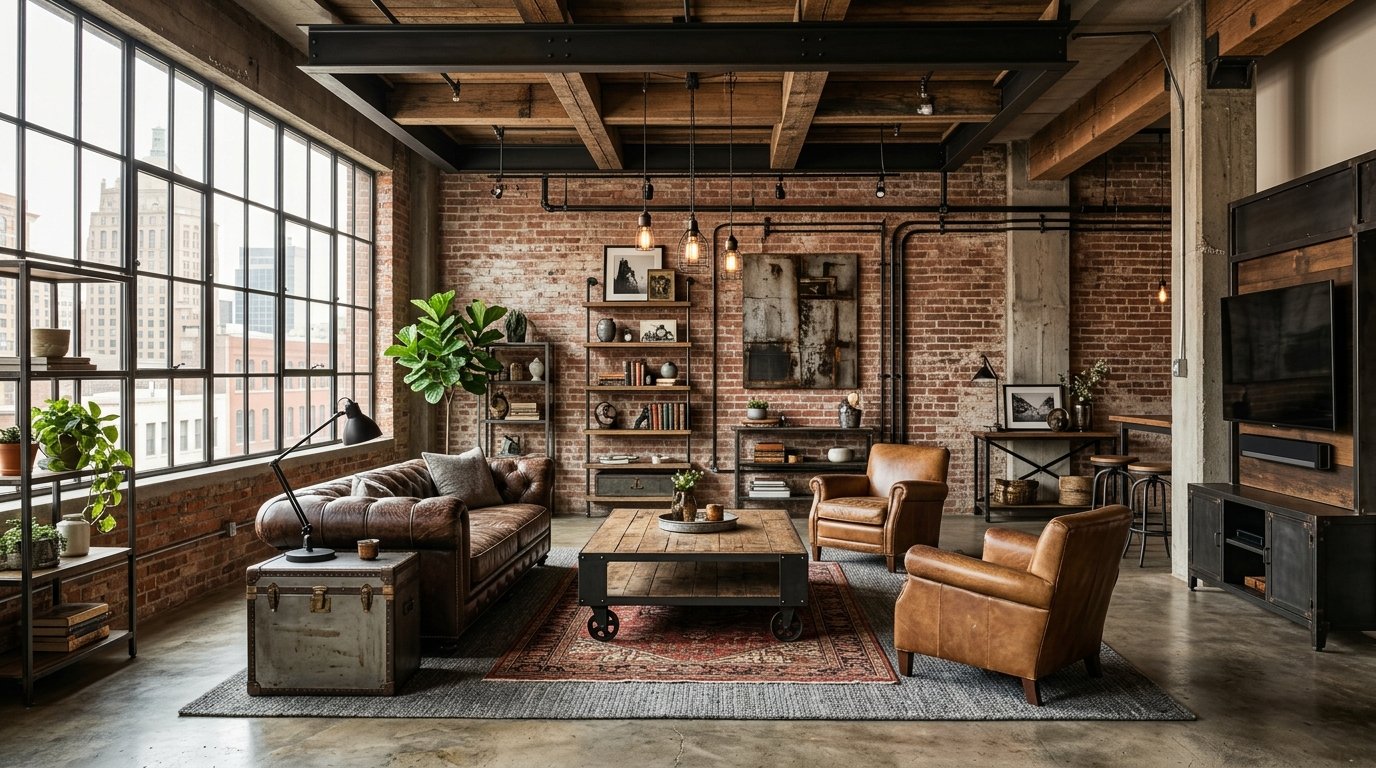
There's an undeniable allure to the industrial aesthetic—a raw, honest charm that speaks of repurposed factories, bustling urban lofts, and a celebration of functionality. If you've ever dreamt of infusing your home with that rugged yet refined appeal, mastering the industrial living room style is an excellent place to start. It’s more than just a trend; it's a design philosophy that embraces exposed elements, sturdy materials, and a distinctive blend of old-world utility and modern sophistication.
From the exposed brick walls of a renovated warehouse to the sleek lines of a metal-framed coffee table, industrial design creates spaces that are both intriguing and incredibly livable. It's about bringing the outside in, showcasing structural elements that other styles might hide, and celebrating the beauty of imperfection. This guide will walk you through everything you need to know to transform your living room into a stunning industrial haven, from foundational elements to the smallest finishing touches.
Understanding the Core Elements of Industrial Design
Before you dive into shopping, it’s crucial to grasp the fundamental principles that define industrial style. These core elements will serve as your compass, guiding every design decision to ensure a cohesive and authentic look for your industrial living room.
The Raw and Unfinished Aesthetic
At its heart, industrial design celebrates the raw, unpolished, and functional. Think of materials in their natural state – exposed brick, bare concrete, visible pipes, and ductwork. This isn't about hiding imperfections; it's about highlighting them as features. An unfinished look adds character and a sense of history to your space.
- Exposed Brick Walls: If you have brick under drywall, consider exposing it. If not, faux brick panels or murals can achieve a similar effect.
- Concrete Surfaces: Concrete floors (polished or matte), accent walls, or even concrete-effect paint can lend a robust, urban feel.
- Visible Utilities: Don't hide those pipes or electrical conduits. Paint them black or a complementary color to make them an intentional design feature.
Utilitarianism and Functionality
Every piece in an industrial space often feels like it has a purpose beyond mere aesthetics. Furniture is sturdy, durable, and designed for practical use. This emphasis on utility harkens back to the style's factory origins, where everything served a specific function.
- Practical Furniture: Choose pieces that are built to last and offer practical solutions, like storage cabinets with metal frames or a robust workbench-style coffee table.
- Open Shelving: Display your books and decor on open shelves made from reclaimed wood and metal pipes, reinforcing the functional aesthetic.
A Monochromatic and Muted Color Palette
Industrial interiors typically gravitate towards a subdued color scheme. This creates a sophisticated backdrop that allows the textures and materials to truly shine. While the palette might seem limited, it offers incredible depth through variations in tone and texture.
- Neutrals are King: Grays (from charcoal to light concrete), blacks, whites, and creams form the foundation.
- Earthy Accents: Introduce warmth with browns, tan, and muted greens or blues.
- Metallic Sheens: The natural colors of metals like steel, copper, and brass add subtle gleam and variation.
Key Materials and Textures for Your Industrial Living Room
The magic of industrial design lies in its tactile qualities. Mixing and matching specific materials and textures is essential for creating an authentic and layered industrial living room style.
Dominant Metals: Steel, Iron, Copper, and Brass
Metals are arguably the most defining characteristic of industrial style. They bring strength, durability, and a cool, utilitarian edge. Don't be afraid to mix different types and finishes.
- Blackened Steel & Iron: Perfect for furniture frames, lighting fixtures, and decorative accents. Think matte finishes for a more modern industrial look.
- Brushed & Galvanized Steel: Ideal for shelving, tables, or even kitchen island bases. Its slightly dulled sheen adds character.
- Copper & Brass: Use these for warmer accents, such as pendant lights, hardware, or decorative objects. Their natural patina develops beautifully over time.
Reclaimed Wood: History and Warmth
To balance the coolness of metal and concrete, wood is indispensable. Reclaimed, distressed, or roughly finished wood adds warmth, texture, and a sense of history, preventing the space from feeling too sterile.
- Dark, Rich Tones: Walnut, oak, or dark-stained pine are excellent choices for coffee tables, shelves, or console tables.
- Distressed Finishes: Embrace wood with visible grain, knots, and imperfections. This adds authenticity and a lived-in feel.
- Live Edge Pieces: A live edge coffee table or console can be a stunning focal point, bringing organic texture into the urban setting.
Concrete, Brick, and Stone: Foundation and Texture
These foundational materials provide the backbone of the industrial aesthetic, grounding the space with their robust presence.
- Exposed Brick: Whether it's a full wall or an accent, brick adds incredible warmth, texture, and a vintage industrial vibe.
- Polished Concrete: As flooring, it's durable, easy to maintain, and provides a sleek, modern industrial look. For smaller applications, concrete planters or side tables work well.
- Natural Stone: While less common than brick or concrete, a stone fireplace surround or a few well-placed stone accents can complement the rugged aesthetic.
Leather and Canvas: Softness with Strength
To introduce comfort and a touch of luxury without sacrificing the industrial edge, turn to durable textiles like leather and canvas.
- Distressed Leather: A key material for seating. A large Chesterfield sofa or a pair of leather armchairs instantly elevates the space with a classic, sturdy feel.
- Heavy Canvas: Use for durable upholstery, cushions, or even artwork. Its utilitarian texture fits perfectly.
- Natural Fiber Rugs: Jute, sisal, or low-pile wool rugs in neutral tones add softness underfoot while maintaining the earthy, unpretentious vibe.
Furniture and Layout: Crafting the Industrial Vibe
The right furniture choices and an intelligent layout are crucial for bringing your industrial living room style to life. Each piece should be purposeful, robust, and complement the overall aesthetic.
Selecting Statement Seating
Your sofa and armchairs are often the focal points of the living room. For an industrial look, opt for pieces that are substantial and comfortable, often featuring classic shapes with an industrial twist.
- Leather Sofas: A large, distressed leather sofa (Chesterfield, mid-century modern, or track arm styles work well) is a quintessential industrial piece.
- Metal-Framed Seating: Look for armchairs or occasional chairs with visible metal frames, often paired with canvas or leather upholstery.
- Vintage Finds: Keep an eye out for genuinely vintage factory chairs or stools that can be repurposed as accent seating.
Industrial Tables and Storage Solutions
Coffee tables, side tables, and storage units are opportunities to integrate more industrial materials and designs.
- Coffee Tables: Choose options made from reclaimed wood and steel, or a heavy-duty industrial trolley on wheels. Concrete tops on metal bases also look great.
- Side Tables: Simple metal drum tables, small wooden crates, or even repurposed machine parts can serve as unique side tables.
- Open Shelving & Bookcases: Industrial pipe shelving, freestanding metal bookcases, or units combining wood and metal are perfect for displaying books and decor.
- Storage Cabinets: Vintage lockers, filing cabinets, or metal multi-drawer units offer both storage and an authentic industrial touch.
Layout: Openness and Functionality
Industrial spaces often feature open-concept layouts, stemming from their original factory or warehouse designs. Even in a traditionally partitioned living room, you can evoke this sense of openness.
- Minimize Clutter: Keep the space feeling open and airy by avoiding excessive decorative items.
- Clear Pathways: Ensure easy movement around furniture.
- Zoning with Rugs: Use large area rugs to define seating areas within an open space without building walls.
Lighting, Accessories, and Finishing Touches
Once the big pieces are in place, it's the carefully chosen details—lighting, art, and accessories—that truly cement your industrial living room style.
Statement Lighting
Lighting is paramount in industrial design, often serving as both a functional necessity and a striking design element. Embrace exposed bulbs and utilitarian fixtures.
- Edison Bulbs: With their visible filaments, these are a signature industrial touch. Use them in pendants, sconces, or bare-bulb arrangements.
- Metal Pendant Lights: Oversized metal dome pendants, caged fixtures, or factory-style task lights hanging over a coffee table or reading nook.
- Floor & Table Lamps: Tripod floor lamps, articulating task lamps, or lamps with heavy metal bases and simple shades.
Art and Wall Decor
Industrial art often leans towards the abstract, mechanical, or practical. Avoid overly ornate or traditional pieces.
- Large-Scale Abstracts: Think bold, minimalist paintings with a focus on texture and muted colors.
- Vintage Signs & Maps: Repurposed metal signs (e.g., old advertisements, street signs), blueprints, or large-scale vintage maps add character.
- Photography: Black and white urban landscapes, architectural shots, or industrial machinery photos.
- Mirrors: Large, metal-framed mirrors can expand the perception of space and reflect light, mimicking factory windows.
Textiles and Greenery
While industrial style is rugged, it shouldn't feel cold. Introduce warmth and life through thoughtful textile choices and plants.
- Simple Textiles: Chunky knit throws in neutral colors, canvas cushions, or sheepskin rugs can add softness without compromising the aesthetic.
- Natural Rugs: As mentioned, jute, sisal, or low-pile wool rugs ground the space and add texture.
- Greenery: Large, architectural plants like a Fiddle Leaf Fig, Snake Plant, or Monstera in simple concrete or metal planters soften the edges and bring life. Avoid overly fussy floral arrangements.
Curated Accessories and Collections
The right accessories can tell a story and add personality to your industrial living room. Think about items that reflect the era or the aesthetic.
- Vintage Finds: Old clocks, antique tools, gears, typewriters, or industrial-era scientific instruments.
- Metal Accents: Geometric metal sculptures, wire baskets, or simple metal bowls.
- Books: Stacked books or a collection of vintage tomes add a scholarly, lived-in feel.
Practical Tips for Achieving Your Industrial Living Room Style
- Start with a Strong Foundation: Prioritize getting your key materials right – exposed brick, concrete elements, and substantial metal/wood furniture.
- Mix Textures: The contrast between rough and smooth, hard and soft, is key. Don't be afraid to pair a polished concrete floor with a distressed leather sofa and a chunky knit throw.
- Embrace the Imperfect: Scratches, patinas, and worn finishes add character. Industrial style is not about pristine perfection.
- Mind Your Scale: Industrial furniture often has a larger scale. Ensure your chosen pieces fit your room without overwhelming it.
- Balance Warmth and Coolness: Use natural wood and warm metals (copper, brass) to prevent the space from feeling too stark or cold from the dominant grays and blacks.
- Declutter Regularly: While industrial spaces appreciate utility, they are rarely messy. Keep surfaces clear and organized.
- Don't Forget Function: Every item should ideally serve a purpose, reinforcing the utilitarian ethos.
- Experiment with DIY: Many industrial pieces can be created or customized with a bit of DIY spirit, like pipe shelving or repurposed crates.
Design Your Dream Industrial Living Room with ryy.com
Bringing the rugged charm of an industrial living room style into your home doesn't have to be a daunting task. By understanding its core principles, selecting the right materials and furniture, and paying attention to the details, you can create a space that is both stylish and incredibly inviting. Imagine lounging on a comfortable distressed leather sofa, surrounded by the warmth of reclaimed wood, the gleam of metal, and the unique character of exposed brick. It's a space that tells a story, a testament to enduring design and functional beauty.
Feeling inspired but unsure where to start? Visualizing how these elements will come together in your actual living room can be challenging. That's where ryy.com comes in! Our free AI design tools allow you to upload a photo of your current living room and instantly transform it with various industrial design concepts. Experiment with different furniture layouts, material finishes, and color palettes without lifting a finger or buying a single item. See your vision for an industrial living room style brought to life before you commit. Visit ryy.com today and start designing your ideal space!