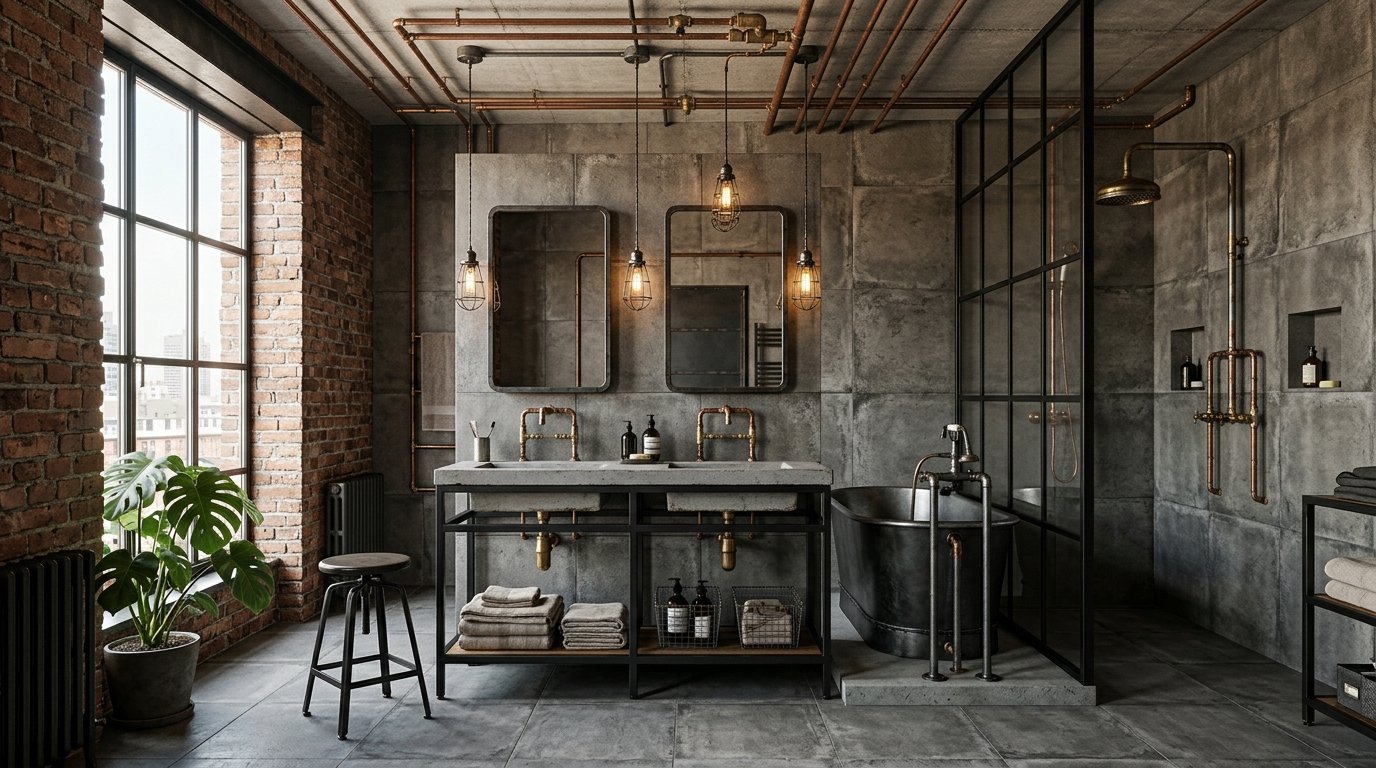
Ever walked into a space and felt an immediate sense of raw, authentic character? That's often the magic of industrial design at play. It's a style that embraces the beauty of utility, turning functional elements into striking design features. And when applied to one of the most practical rooms in your home, the bathroom, the results can be truly transformative.
If you're dreaming of a bathroom that’s both stylish and robust, celebrating the beauty of exposed pipes, unique tiles, and versatile metals, then you're ready to dive into the world of industrial bathroom design. This guide will walk you through the essential components, practical considerations, and creative inspirations to help you craft a bathroom that’s edgy, sophisticated, and undeniably unique.
The Raw Appeal of Industrial Design in Bathrooms
Industrial design isn't just a fleeting trend; it's a timeless aesthetic rooted in history and practicality. It celebrates the no-nonsense, functional beauty of factories and warehouses, translating those elements into residential spaces. For bathrooms, this translates into a durable, easy-to-maintain, and incredibly stylish environment.
Origins and Core Principles
Born out of the industrial revolution, this style emerged from the repurposing of old factories and warehouses into living spaces. Designers began to appreciate the inherent beauty of structural elements like exposed brick, concrete floors, metal beams, and raw piping. The core principles revolve around:
- Functionality First: Every element serves a purpose, often with its mechanics visible.
- Exposed Elements: Showing off what's usually hidden – pipes, ducts, wiring.
- Utilitarian Aesthetic: Focusing on practical, durable materials over purely decorative ones.
- Neutral Color Palette: Grays, blacks, whites, and earthy tones dominate, allowing textures to shine.
- Raw Textures: Concrete, brick, wood, and metal in their natural states.
Applying these principles to a bathroom creates a space that feels grounded, authentic, and refreshingly honest.
Why Industrial Works for Bathrooms
Beyond its aesthetic appeal, industrial design offers several practical advantages for a bathroom setting:
- Durability: Industrial materials like concrete, metal, and heavy-duty tiles are inherently robust and resistant to moisture and wear, making them ideal for high-humidity environments.
- Easy Maintenance: Smooth concrete surfaces, large format tiles, and exposed pipes are often easier to clean and maintain than intricate fixtures or delicate finishes.
- Unique Style: It stands out from traditional or minimalist designs, offering a distinct personality that can be both rugged and refined.
- Versatility: Industrial design can be blended with modern, rustic, or even vintage elements to create a bespoke look.
Ready to see how these elements come together? Let's dive into the core components.
Essential Elements: Pipes, Tiles, and Metals
These three elements form the backbone of any successful industrial bathroom design. Mastering their application is key to achieving that authentic factory-chic vibe.
Exposed Plumbing: Form and Function
Perhaps the most iconic feature of industrial style is exposed plumbing. What was once hidden behind walls now becomes a celebrated design element. This isn't just about showing off; it's about embracing the mechanics and the story behind the water flow.
- Materials Matter:
- Copper: Offers a warm, slightly vintage feel. It tarnishes beautifully over time, adding character. Best used for supply lines to sinks or showers.
- Black Iron (or Galvanized Steel): More rugged and masculine, perfect for shower frames, vanity legs, or even towel rails. Its dark finish provides a strong contrast.
- Chrome/Brushed Nickel: While common, when used for exposed P-traps under a concrete sink or shower mixing valves, they can still contribute to the industrial look, especially with other raw elements.
- Placement Ideas:
- Shower Systems: An exposed thermostatic shower system with an overhead rain shower and a handheld sprayer instantly evokes an industrial feel.
- Sink Traps: Replace a traditional vanity cabinet with an open shelving unit and feature a stylish exposed P-trap under the sink.
- DIY Shelving: Use black iron pipes and reclaimed wood planks to create floating shelves or an entire vanity frame.
The key is to ensure the exposed pipes are neatly installed and in good condition, as they are now a focal point. Don't be afraid to let them shine!
The Right Tiles: Concrete, Subway, and Beyond
Tiles play a crucial role in grounding the industrial aesthetic, providing both texture and durability. The choices here lean towards robust, often monochromatic options that mimic warehouse floors and walls.
- Concrete-Look Tiles: These are paramount. Large format rectified porcelain tiles that mimic poured concrete offer the raw, unrefined look without the weight and maintenance of actual concrete. Choose shades of gray, from light ash to charcoal.
- Subway Tiles: A classic for a reason. While often associated with traditional design, subway tiles with dark grout lines (black or dark gray) instantly take on an industrial edge. Opt for larger format subway tiles (e.g., 4x12 or 3x12 inches) for a more modern industrial feel.
- Hexagon Tiles: Especially in black, white, or gray, smaller hexagon tiles with contrasting dark grout can add subtle geometric interest to floors or feature walls, harkening back to old factory floors.
- Dark, Textured Tiles: Consider tiles with a slight metallic sheen or a very subtle pattern that evokes worn metal or aged stone.
When selecting tiles, think about texture and how they interact with light. A matte finish often works best, enhancing the raw, unpolished feel.
Metals Galore: Fixtures and Finishes
Metals are the jewelry of an industrial bathroom, providing contrast, shine, and structural integrity. From faucets to lighting, the right metallic accents can elevate the entire space.
- Black Matte: Faucets, showerheads, towel rails, and mirror frames in a matte black finish are a quintessential industrial choice. They provide a striking contrast against lighter tiles or concrete walls.
- Brushed Nickel/Stainless Steel: Offers a slightly softer, more contemporary industrial feel. Excellent for sleek fixtures and accessories.
- Brass/Aged Brass: While often seen in more traditional settings, a touch of unlacquered brass or aged brass can introduce warmth and a vintage industrial patina, especially in lighting or hardware.
- Gunmetal: A sophisticated alternative that sits between black and silver, offering a unique, muted metallic sheen.
- Structural Metals: Beyond fixtures, think about using metal for vanity frames, shelving brackets, or even a statement mirror with a bold metal frame. Reclaimed locker doors can even be repurposed for unique storage.
Mix and match your metals carefully. A good rule of thumb is to pick a dominant metal and use one or two others as accent finishes to avoid a cluttered look.
Beyond the Core: Lighting, Wood, and Accessories
While pipes, tiles, and metals are fundamental, other elements help complete the industrial narrative, adding warmth, functionality, and personality.
Illuminating with Industrial Flair
Lighting is not just functional; it's a mood setter and a design statement. Industrial lighting fixtures are often robust, simple, and impactful.
- Cage Lights: Exposed bulbs protected by metal cages are a classic industrial look, perfect for wall sconces or pendant lights.
- Bare Edison Bulbs: With their visible filaments, these bulbs offer a warm, vintage glow and can be stunning suspended from simple cords or within open fixtures.
- Track Lighting: Practical and versatile, track lights with metal heads can highlight specific areas and maintain a minimalist, functional aesthetic.
- Vintage Factory Lights: Reclaimed or reproduction factory pendant lights (often bell-shaped or with enamel finishes) make a significant statement over a vanity or in the center of the room.
Combine task lighting with ambient light to create a layered and functional lighting scheme.
Warming Up with Wood Accents
To prevent an industrial bathroom from feeling too cold or sterile, introduce the natural warmth of wood. This contrast is key to a balanced design.
- Reclaimed Wood Vanities: A vanity made from salvaged wood, perhaps with a live edge, brings texture and history.
- Floating Wood Shelves: Thick, rustic wood shelves supported by metal brackets offer storage and display space.
- Wood Paneling/Accent Walls: Consider a single wall clad in reclaimed wood planks to add warmth and a focal point.
- Butcher Block Countertops: For a vanity, butcher block offers a durable and warm surface that contrasts beautifully with metal fixtures.
Look for woods with character – visible grain, knots, and imperfections enhance the industrial aesthetic.
The Finishing Touches: Mirrors, Storage & Art
Accessories complete the look, tying all the elements together and adding personality.
- Mirrors: A large, unframed mirror with polished edges can enhance a minimalist industrial look, while a mirror with a heavy metal frame (black iron, brass, or distressed steel) leans into the rugged aesthetic.
- Storage Solutions: Think open shelving, metal locker-style cabinets, or wire baskets for towels and toiletries. Keep it functional and visually appealing.
- Art & Decor: Simple, abstract art, black and white photography, or even vintage blueprints framed in metal can add a touch of sophistication. A minimalist approach is usually best.
- Greenery: Don't forget plants! A few strategically placed plants (e.g., snake plant, ZZ plant, ferns) in concrete or metal planters can soften the hard lines and bring life to the space.
Designing Your Industrial Bathroom with ryy.com
Bringing all these elements together can seem daunting, but it doesn't have to be. ryy.com's free AI design tools are your perfect partner in visualizing your dream industrial bathroom design.
Planning Your Layout
Before you commit to materials, use ryy.com to experiment with different layouts. Want to see how an open-concept shower with exposed plumbing looks? Or how a floating vanity impacts the flow? Our AI can generate realistic renders from your ideas. Simply upload a photo of your existing bathroom, describe your industrial vision, and let our AI transform it!
Sourcing Materials
While ryy.com helps you visualize, the practicalities of sourcing are important. Research local suppliers for concrete tiles or reclaimed wood. Online stores offer a vast array of industrial fixtures and accessories. Consider visiting architectural salvage yards for truly unique, authentic pieces like old factory lighting or metal cabinets.
Budgeting and DIY Considerations
Industrial design can be budget-friendly if you embrace DIY. Exposed pipes are often cheaper than concealed plumbing. Reclaimed materials can save money and add character. However, if you're undertaking major structural changes or plumbing work, always consult with professionals. Use ryy.com to visualize cost-effective alternatives or to see how a phased renovation might look.
Practical Tips for Your Industrial Bathroom Design
- Embrace Imperfection: Don't strive for pristine perfection. The beauty of industrial lies in its raw, slightly unfinished appeal. Dings, scuffs, and natural patinas add character.
- Layer Textures: Combine smooth concrete with rough wood, shiny metal with matte tiles to create visual interest and depth.
- Mind the Scale: Industrial elements can be bold. Ensure your fixtures and furniture are proportionate to your bathroom size to avoid overcrowding.
- Ventilation is Key: With exposed elements and moisture-resistant materials, ensuring good ventilation is even more important to prevent mold and maintain air quality.
- Consider Underfloor Heating: Concrete floors can be cold. Underfloor heating adds a touch of modern comfort to an otherwise rugged aesthetic.
- Don't Forget the Details: Even small items like soap dispensers, toothbrush holders, and towel hooks can reinforce the industrial theme. Opt for ceramic, concrete, or metal options.
- Test Before You Commit: Get samples of your chosen tiles, paint colors, and even metal finishes to see how they look in your bathroom's natural light.
Unleash Your Inner Designer
An industrial bathroom design is more than just a style; it's a statement. It’s about celebrating authenticity, durability, and the beauty found in utilitarian elements. By strategically incorporating exposed pipes, selecting the right tiles, and harnessing the power of various metals, you can create a bathroom that is both a functional powerhouse and a stunning design masterpiece.
Feeling inspired? Don't let your vision stay trapped in your head. Head over to ryy.com and try our free AI design tools today. Upload a photo, describe your industrial dream, and let our AI generate stunning visualizations of your future bathroom. Experiment with different tiles, metals, and layouts until you find the perfect blend of raw elegance and industrial chic. Your dream industrial bathroom is just a few clicks away!