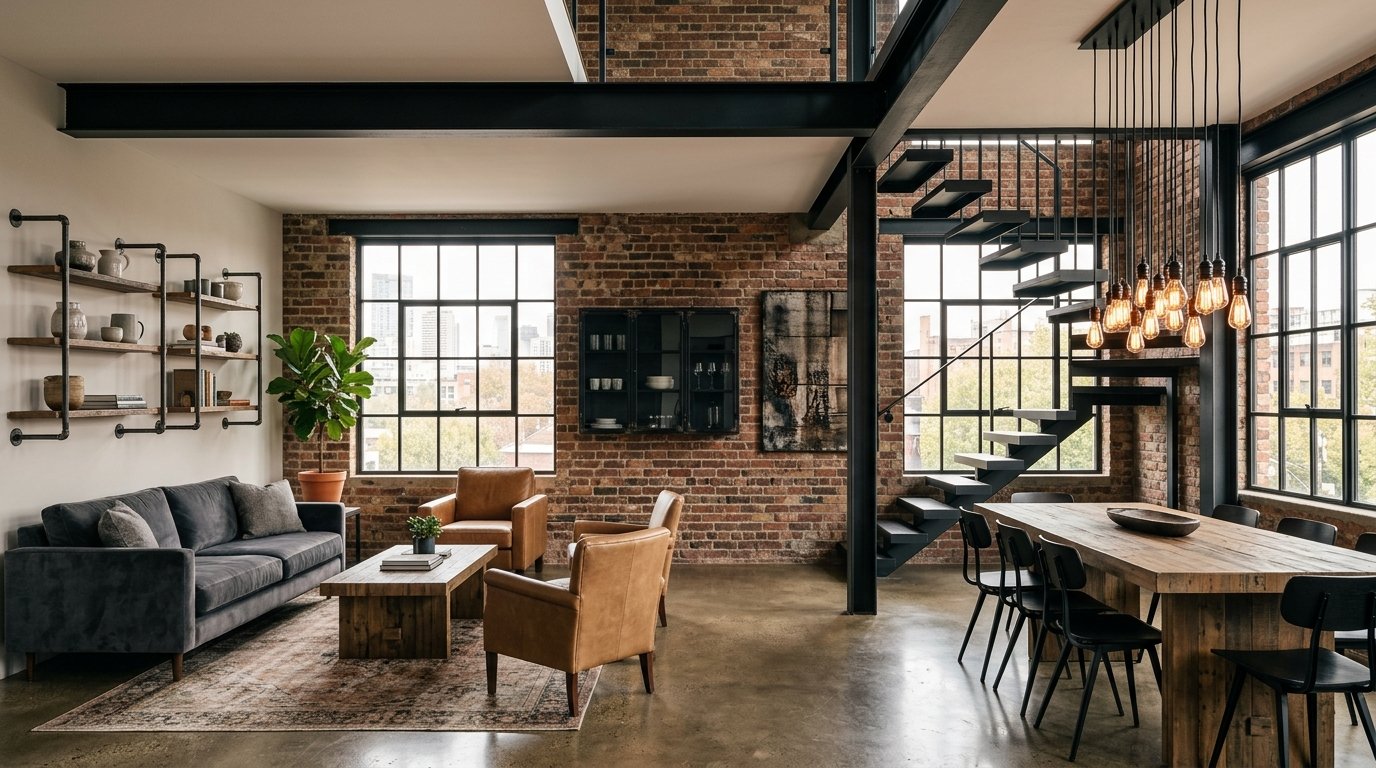
There's a captivating allure in designs that honor history while embracing modern functionality. Few styles achieve this balance as beautifully as industrial interior design. Born from the repurposed factories, warehouses, and urban lofts of a bygone era, this aesthetic brings a robust, no-nonsense charm into contemporary homes. If you've ever admired the raw elegance of exposed brick walls, the cool resilience of steel accents, and the honesty of utilitarian structures, you're already halfway to falling in love with this enduring trend. At ryy.com, we believe great design is accessible, and today, we're diving deep into how you can infuse your living space with the distinctive character of industrial design, making it both stylish and supremely livable.
The Roots of Raw Beauty: Tracing Industrial Interior Design
The story of industrial design isn't found in opulent palaces or ornate drawing rooms, but in the gritty, working environments of the late 19th and early 20th centuries. As manufacturing declined in many Western cities, vast industrial buildings were left vacant, only to be rediscovered by artists and urban dwellers seeking affordable, expansive spaces. These pioneers embraced the existing structures – the high ceilings, exposed beams, raw concrete, and large windows – transforming them into unique homes and studios.
From Factory Floors to Modern Lofts
The transformation of industrial spaces into residential areas gave birth to the 'loft style,' which became synonymous with a certain urban chic. The aesthetic celebrated the building's original purpose, often retaining elements like freight elevators, massive machinery, and unrefined finishes. This wasn't about covering up imperfections; it was about highlighting them as features, telling a story of resilience and repurposing. The modern iteration of industrial interior design takes cues from these origins, focusing on authenticity, functionality, and a touch of rugged elegance.
Key Philosophies: Function Over Frivolity
At its core, industrial design is about honesty in materials and purpose in form. Every element should feel as though it serves a practical function, even if its primary role is now aesthetic. This philosophy dictates a preference for raw, unfinished, or minimally treated materials. It's about celebrating the inherent beauty of steel, brick, concrete, and reclaimed wood, allowing their textures and natural patinas to shine. There's a minimalist sensibility here, too, where clutter is eschewed in favor of clean lines and essential pieces.
Signature Elements: Exposed Brick, Steel, and Beyond
When someone pictures industrial interior design, certain iconic elements immediately come to mind. These are the building blocks of the style, creating its distinct personality and providing a strong foundation for your design choices.
The Allure of Exposed Brick Walls
Perhaps no feature embodies industrial style more completely than the exposed brick wall. Whether it’s original red brick, painted white for a softer touch, or even a sophisticated dark grey, brick adds incredible texture, warmth, and a sense of history to any room. It acts as a powerful anchor, grounding the space and providing a rustic counterpoint to sleek modern furnishings or metallic accents. If you don't have existing brick, don't despair! Faux brick panels or brick slips can achieve a remarkably similar effect, offering a cost-effective and less intrusive way to introduce this cornerstone element.
Strength and Style: Incorporating Steel Accents
Steel is the undisputed king of industrial materials, symbolizing strength, durability, and modern utility. From structural beams and columns to sleek kitchen appliances, furniture frames, and lighting fixtures, steel infuses spaces with a clean, contemporary edge. Think about using stainless steel countertops, black steel window frames, or galvanized metal shelving. Wrought iron elements, particularly in lighting or decorative grates, also contribute to this metallic theme, adding a touch of vintage industrial flair. The key is to let the material speak for itself, embracing its natural sheen or matte finish.
Concrete, Wood, and Reclaimed Materials: A Textural Symphony
Beyond brick and steel, other materials play crucial roles in defining industrial aesthetics. Polished concrete floors offer a sophisticated, low-maintenance foundation, while rough-hewn or reclaimed wood provides much-needed warmth and organic contrast. Consider a large dining table made from a single slab of reclaimed timber, or open shelving with raw wood planks. The beauty lies in the juxtaposition – the smooth coolness of concrete against the rich grain of wood, or the raw texture of brick against polished metal. Incorporating materials like leather for seating or aged copper for accents further enriches this tactile experience.
Utilitarian Furniture and Vintage Industrial Lighting
Furniture in an industrial setting prioritizes function and durability. Think sturdy, robust pieces with visible hardware, metal frames, and minimal embellishment. Large, comfortable sofas in neutral fabrics can soften the look, while vintage factory carts repurposed as coffee tables or old locker cabinets for storage add authentic character. Lighting is another critical aspect: oversized pendant lights with metal shades, exposed filament bulbs, cage lights, and adjustable task lamps all contribute to the industrial vibe. The idea is to evoke the purposeful lighting found in workshops and factories, often with a slightly rugged or unfinished appearance.
Crafting Your Industrial Sanctuary: Room-by-Room Guide
The beauty of industrial design is its adaptability. While it thrives in open-concept lofts, its elements can be skillfully woven into any room, from a cozy apartment to a suburban home.
Industrial Kitchen Design: A Chef's Dream
The kitchen is often the heart of an industrial-style home. Think stainless steel appliances, open shelving with metal brackets, and perhaps a concrete countertop or island. Subway tiles or a brick backsplash can add texture, while exposed ductwork or oversized pendant lights over an island complete the look. Bar stools with metal bases and wooden seats are perfect additions. For a touch of green, add some potted herbs on a metal shelf.
Living Rooms: Blending Raw with Relaxed
In the living room, balance is key. An exposed brick wall or a large metal-framed window can serve as a stunning focal point. Soften the raw edges with a plush, neutral-colored sofa, comfortable leather armchairs, and throw blankets. A chunky knit rug can add warmth to concrete or hardwood floors. Use industrial-style coffee tables (perhaps an old factory cart) and side tables, complemented by floor lamps with articulated arms or metal shades. Incorporate greenery through large potted plants to breathe life into the space.
Industrial Bedroom Ideas: Restful & Robust
Creating an industrial bedroom doesn't mean sacrificing comfort. A platform bed with a metal or reclaimed wood frame can be striking. Use a brick accent wall behind the bed for a dramatic backdrop, or keep walls neutral and add texture with a concrete-effect wallpaper. Industrial lighting, like exposed bulb pendants or wall-mounted sconces, adds character. Layer soft linens, thick throws, and sheepskin rugs to create a cozy, inviting atmosphere that contrasts beautifully with the harder elements. A vintage locker or an old wooden chest can serve as unique storage solutions.
Bathrooms: Sleek, Functional, and Chic
For an industrial bathroom, think about concrete countertops, a vessel sink, and industrial-style plumbing fixtures with exposed pipes. Metal-framed mirrors, subway tiles, and perhaps a dark, moody color palette can enhance the aesthetic. Wall-mounted shelving made from pipes and reclaimed wood offers practical storage with an authentic look. Don't shy away from black matte finishes for faucets and showerheads for a truly cohesive design.
Mastering the Balance: Industrial Style Without the Coldness
While industrial design embraces rawness, it doesn't have to feel cold or unwelcoming. The trick is to infuse warmth and personality through thoughtful choices.
Softening the Edges: Textiles and Greenery
To prevent your space from feeling too stark, introduce soft furnishings. Thick rugs, plush throws, linen curtains, and decorative pillows in various textures can instantly add comfort and visual warmth. Incorporate natural elements like potted plants, ferns, or even a small indoor tree. Greenery not only adds color and life but also softens the hard lines of metal and brick, creating a more inviting environment.
The Power of a Thoughtful Color Palette
The typical industrial color palette is largely neutral: grays, whites, blacks, and browns. However, these can be layered and accented to create depth. Introduce pops of color through artwork, a vibrant accent chair, or decorative objects. Deep jewel tones like emerald green, sapphire blue, or a rich mustard yellow can work surprisingly well, adding sophistication without detracting from the overall industrial vibe. Wood tones also play a crucial role in bringing warmth to an otherwise cool palette.
Practical Tips for Integrating Industrial Interior Design
Ready to bring the industrial look into your home? Here are some actionable tips:
- Start Small: You don't need a full renovation. Begin with industrial lighting fixtures, a metal-framed mirror, or a salvaged piece of furniture.
- Mix Old and New: Combine vintage or reclaimed pieces with modern, clean-lined furnishings to create a balanced, curated look.
- Embrace Open Shelving: Replace some upper kitchen cabinets with open metal or wood shelves to display utilitarian items and add an open feel.
- Consider Faux Finishes: If authentic brick or concrete isn't feasible, explore high-quality wallpaper or paneling that mimics these textures.
- DIY with Purpose: Repurpose old pipes into shelves or clothing racks. Use old crates for storage. Industrial style loves a good DIY project.
- Focus on Lighting: Invest in distinctive industrial-style lighting – pendant lights, sconces, and floor lamps are all key. Exposed Edison bulbs are a classic choice.
- Don't Forget the Details: Hardware, door handles, and even exposed electrical conduits can contribute to the authentic industrial feel.
- Add Art: Large, abstract art or vintage propaganda posters can add personality and color to bare walls.
Design Your Industrial Dream with ryy.com
Industrial interior design offers a unique blend of rugged charm, modern functionality, and timeless appeal. By thoughtfully incorporating elements like exposed brick, steel, reclaimed wood, and utilitarian furnishings, you can create a home that tells a story and feels authentically yours. Whether you're aiming for a subtle nod to the style or a full-blown urban loft transformation, the possibilities are endless.
Feeling inspired but not sure where to start? Let ryy.com be your ultimate design partner. Our free AI design tools can help you visualize how exposed brick might look in your living room, suggest the perfect industrial lighting for your kitchen, or even generate design concepts that blend raw materials with your existing decor. Simply upload a photo of your space, describe your vision, and let our AI bring your industrial design dreams to life. Start exploring today and redefine your home with the power of AI!