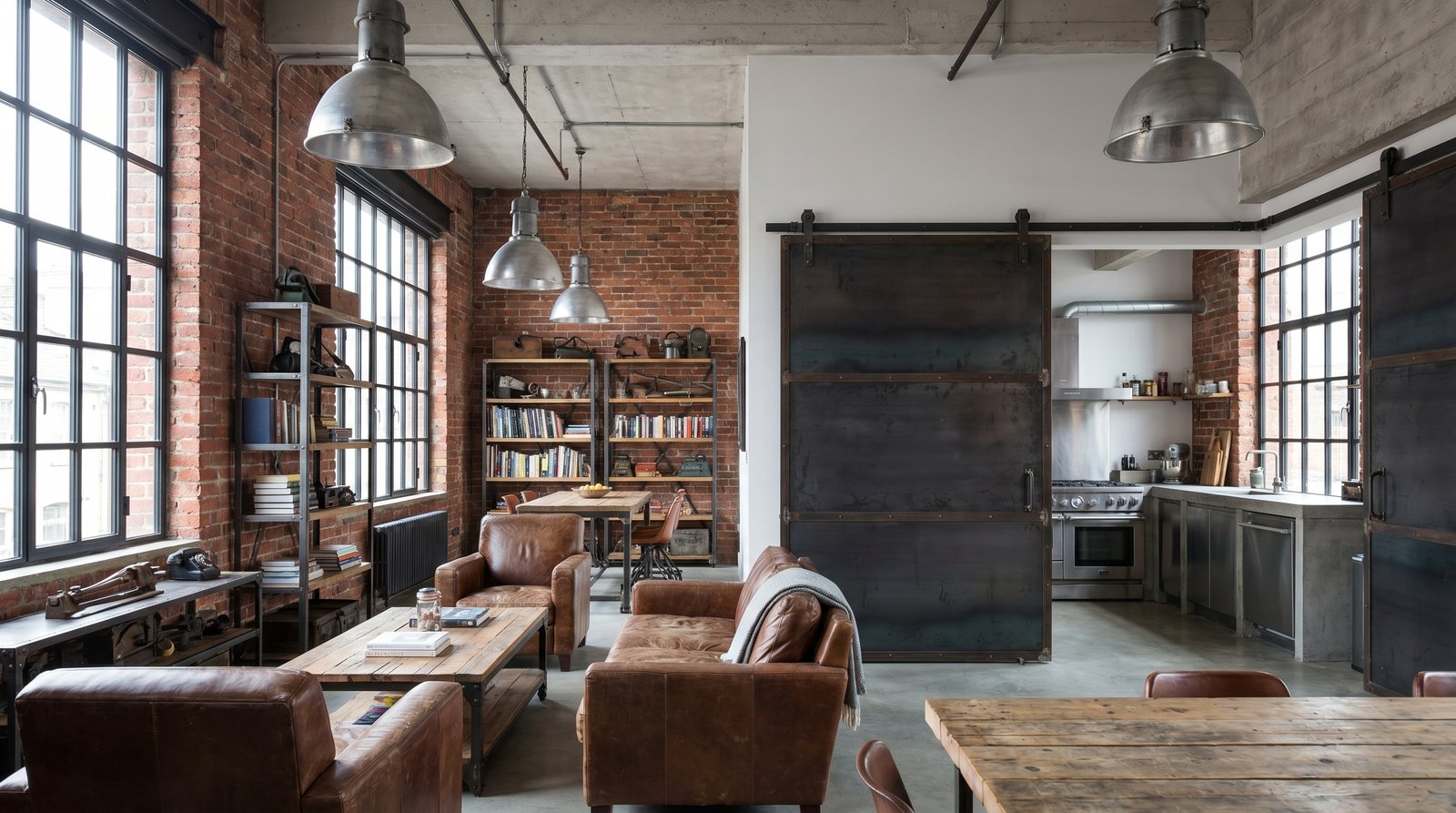
The allure of the industrial aesthetic lies in its ability to transform raw, utilitarian elements into a surprisingly chic and inviting living space. Born from the repurposing of old factories and warehouses, industrial interior design celebrates the beauty of exposed structures, durable materials, and a no-nonsense approach to decor. It’s a style that speaks to those who appreciate authenticity, history, and a touch of urban grit.
If you've ever walked into a stunning loft apartment with soaring ceilings, exposed brick, and metal accents, and wished you could replicate that vibe in your own home, you're in the right place. This comprehensive guide will break down the essential components of industrial style, showing you how to incorporate its key features, from iconic exposed brick design to signature loft style decor, into your space.
What is Industrial Interior Design? Unpacking the Raw Aesthetic
At its heart, industrial interior design is about stripping back the superficial to reveal the building's true character. It’s a design philosophy that embraces unfinished elements, celebrating the materials and structures often hidden in conventional homes. Think robust functionality, raw textures, and a deliberate sense of history.
A Nod to the Past: Origins of the Industrial Style
The industrial style emerged in the mid-20th century, particularly in urban centers like New York City, when defunct factories, warehouses, and other industrial buildings were converted into residential lofts and creative studios. Developers and residents embraced the existing architectural features—like high ceilings, large windows, visible ductwork, and structural beams—rather than trying to conceal them. This practical approach gave rise to a distinct aesthetic that blends utilitarianism with minimalist comfort, resonating deeply with a desire for authenticity and efficiency.
Core Characteristics: Rawness, Functionality, and Openness
- Raw & Unfinished Elements: Exposed brick, concrete floors, visible pipes, and unpainted steel beams are hallmarks.
- Utilitarian Design: Furniture and fixtures are chosen for their durability and practical function, often with a no-frills appearance.
- Open Concept Living: Large, undivided spaces are common, echoing the expansive factory floors they once were.
- Neutral Color Palette: Grays, whites, blacks, and browns form the foundation, allowing materials and textures to shine.
- Emphasis on Light: Large, often unadorned windows let natural light flood the space, highlighting the raw textures.
Essential Elements of Industrial Style: Materials, Colors & Textures
To truly capture the essence of industrial design, it's crucial to understand the building blocks that define it. This style is less about elaborate decorations and more about the intrinsic beauty of its core components.
The Power of Raw Materials
- Exposed Brick Design: Perhaps the most iconic feature, exposed brick walls instantly inject warmth, texture, and a sense of history into any space. Whether original to the building or achieved with brick veneer, this element is fundamental. The reddish-brown hues create a striking contrast with the cooler metal elements, preventing the space from feeling too stark. For a genuine industrial feel, consider a distressed or untouched finish.
- Metals: Steel, iron, aluminum, and even copper are prevalent. They appear in structural beams, furniture frames, lighting fixtures, shelving units, and even as decorative accents. Finishes can range from raw and rusty to polished chrome or matte black, each adding a different dimension to the space. Look for industrial-grade metals that show their manufacturing marks.
- Concrete & Stone: Polished concrete floors are a staple, offering a sleek, durable, and easy-to-maintain surface. Concrete can also be used for countertops, feature walls, or even custom furniture. Stone, while less common, can appear in rugged forms, adding a touch of natural robustness.
- Reclaimed Wood: To counterbalance the coolness of metals and concrete, reclaimed or distressed wood is essential. Think barn wood for wall accents, old scaffolding planks for shelving, or sturdy, chunky tables made from salvaged timber. The imperfections and visible grain of reclaimed wood add character and warmth, telling a story of its past life.
- Pipes & Ductwork: A truly authentic industrial space embraces its utilitarian features. Exposed pipes, conduits, and ventilation ducts are not hidden but rather celebrated as part of the aesthetic. They add a layer of authenticity and visual interest, emphasizing the building's structural integrity.
The Industrial Color Palette
The color scheme in industrial design is deliberately subdued, allowing the raw materials and textures to take center stage. Neutrals dominate:
- Grays: From light concrete grays to deep charcoal, this color forms the backbone, reflecting the natural tones of metal and concrete.
- Blacks: Used for dramatic accents, furniture frames, lighting fixtures, and window frames, black adds definition and sophistication.
- Whites & Off-Whites: These provide a clean backdrop, brightening spaces and highlighting other elements without competing for attention.
- Browns & Earth Tones: Derived from wood, leather, and exposed brick design, these colors inject warmth and a grounded feel.
While accents are minimal, you might introduce pops of deep primary colors like a muted rust orange, a deep teal, or a mustard yellow through artwork, textiles, or vintage signage.
Embracing Texture and Patina
Texture is paramount in industrial design. The contrast between rough brick, smooth concrete, cool metal, and warm wood creates a tactile richness. Embrace materials that show their age or wear, as patina adds character and depth, reinforcing the style's commitment to authenticity and history.
Furnishing & Decorating Your Industrial Space: From Loft Style Decor to Lighting
Once you've established the foundational elements, it's time to furnish and accessorize. The key is to select pieces that complement the raw aesthetic while ensuring comfort and functionality.
Furniture: Functionality Meets Form
Industrial furniture is robust, often large-scale, and built to last. Look for:
- Upholstery: Leather sofas and armchairs are perfect, especially in distressed browns or blacks. Canvas or heavy-duty linen can also work.
- Metal & Wood Combinations: Tables with heavy wooden tops and metal bases, or metal locker-style cabinets, are excellent choices.
- Minimalist Design: Furniture lines are generally clean and straightforward, avoiding ornate details.
- Repurposed Pieces: Consider pieces that evoke a sense of a bygone era – old factory carts as coffee tables, workbenches as console tables, or vintage filing cabinets for storage.
Lighting: The Industrial Statement Piece
Lighting is crucial in setting the mood and is often a defining feature of industrial spaces.
- Pendant Lights: Large metal dome pendants, cage lights, or multi-bulb chandeliers with exposed wiring are iconic.
- Edison Bulbs: Their warm glow and visible filaments are synonymous with industrial style, adding a vintage touch.
- Floor & Table Lamps: Tripod lamps, architect's lamps, or simple task lights with metal shades are ideal.
- Track Lighting & Wall Sconces: Practical and often made from exposed metal, they enhance the utilitarian feel.
The goal is to provide ample light while also showcasing the fixtures themselves as decorative elements.
Windows & Walls: Maximizing Natural Light and Character
- Windows: Large windows are a blessing in industrial spaces, allowing abundant natural light to flood in. Window treatments are often minimal, if used at all. Think simple roller blinds or metal venetian blinds that don't obscure the view or the window's structure.
- Walls: Beyond the highly coveted exposed brick design, other wall treatments include:
- Concrete: A raw, minimalist look.
- Distressed Plaster: Adds a subtle texture and aged feel.
- Simple Paint: Matte white, various shades of gray, or even a deep navy can serve as a clean backdrop for other industrial elements.
Creating the Perfect Loft Style Decor
Loft style decor emphasizes open spaces, high ceilings, and a curated selection of larger-than-life accents. It’s about creating vignettes without cluttering the vastness.
- Art & Wall Decor: Oversized abstract art, vintage industrial advertisements, blueprints, large maps, or even genuine factory signs are perfect. Black and white photography can also fit beautifully.
- Rugs: To define different zones in an open-plan layout (e.g., living area, dining area), large area rugs in natural fibers like wool, jute, or distressed patterns can add warmth and sound absorption.
- Textiles: Keep textiles robust and natural. Think canvas, linen, wool, or heavy cotton for throws and cushions. Avoid anything overly ornate or delicate.
- Shelving & Storage: Open shelving made from pipes and reclaimed wood, metal lockers, or industrial carts serve both functional and aesthetic purposes.
- Greenery: Large, easy-care plants like snake plants, fiddle leaf figs, or monsteras add a touch of life and softness, contrasting beautifully with the hard materials. Place them in simple concrete or metal planters.
- Mirrors: Large, often oversized, mirrors with simple metal frames can help expand the perception of space and reflect light, especially in more compact industrial-style homes.
Practical Tips for Integrating Industrial Style into Your Home
You don't need a former factory to embrace the industrial look. Here are some actionable tips:
- Start Small: Begin with key accessories like an industrial-style pendant light, a metal shelving unit, or a reclaimed wood coffee table.
- Mix and Match: Industrial style blends beautifully with modern minimalist, rustic, or even bohemian elements. Don't be afraid to combine styles for a unique, personalized look.
- DIY Projects: Pipe shelving, pallet furniture, or repurposing old crates can be cost-effective ways to add industrial flair.
- Focus on Functionality: Choose items for their practical use first, then consider their aesthetic appeal. This is true to the style's origins.
- Declutter Ruthlessly: Industrial spaces thrive on a sense of openness and order. Keep surfaces clear and minimize unnecessary decorative items.
- Pay Attention to Detail: Small touches like exposed-filament light bulbs, vintage switches, or visible hardware can significantly enhance the overall effect.
- Embrace Imperfection: A chipped concrete floor, a rusted metal accent, or distressed wood adds character, not flaw.
- Consider Your Ceilings: If possible, consider exposing beams, ducts, or pipes for a true industrial feel. If not, a simple, high white ceiling works well.
- Floor It: Polished concrete is ideal, but large-format grey tiles, dark engineered wood, or even a robust laminate can mimic the look effectively.
Design Your Industrial Oasis with ryy.com
Industrial interior design offers a compelling blend of raw beauty, functional living, and historical resonance. It’s a style that challenges conventional notions of beauty, finding elegance in the utilitarian and warmth in exposed elements. By embracing raw materials, a neutral palette, and functional furnishings, you can create a space that feels both grounded and sophisticated.
Ready to envision your own industrial-inspired haven? Whether you're dreaming of a sprawling loft with an authentic exposed brick design or simply want to infuse a touch of factory-chic into your current home, ryy.com can help. Our free AI design tools allow you to upload photos of your room and experiment with different industrial styles, materials, and furniture layouts virtually. Get instant design ideas, visualize changes, and discover how to perfectly achieve the industrial interior design of your dreams – all before moving a single piece of furniture. Start designing smarter today!