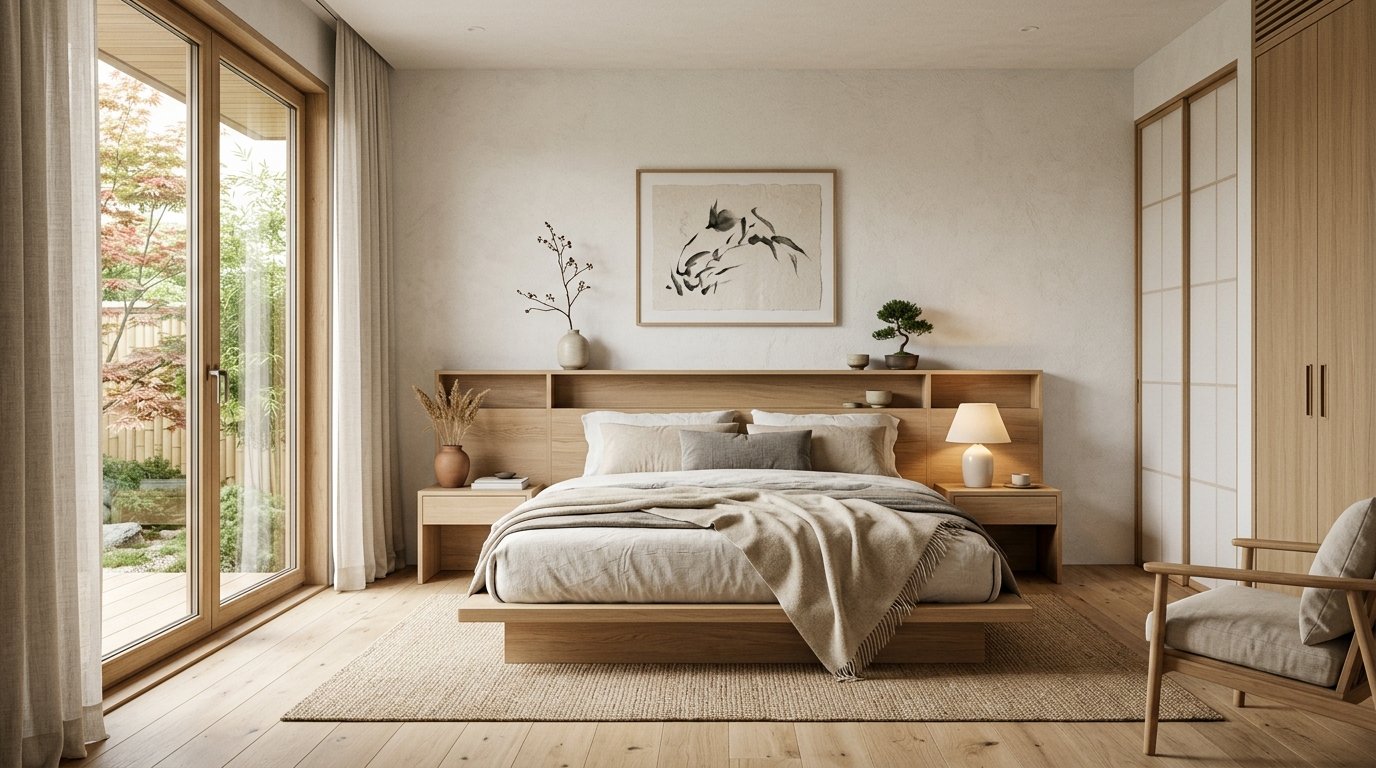
In our fast-paced world, the bedroom should be a sanctuary – a calm retreat where you can unwind, recharge, and find peace. If you're yearning for a space that embodies tranquility, timeless beauty, and thoughtful simplicity, then exploring Japandi bedroom design is your next step. This elegant fusion of Japanese minimalism and Scandinavian warmth offers a perfect balance of function, comfort, and aesthetic appeal. It's more than just a style; it's a philosophy for living.
At ryy.com, we believe designing your dream space should be inspiring and accessible. That's why we're diving deep into the serene world of Japandi, offering practical ideas and showing you how our free AI design tools can help you visualize this calming aesthetic in your own home.
What is Japandi, Really? The Philosophy Behind the Style
Japandi is not merely a trend; it's a harmonious marriage of two distinct yet complementary design philosophies: Japanese "wabi-sabi" and Scandinavian "hygge." Understanding these roots is key to truly embracing the Japandi aesthetic in your bedroom.
Scandinavian "Hygge" Meets Japanese "Wabi-Sabi"
- Hygge (pronounced "hoo-gah"): This Danish and Norwegian concept is all about coziness, comfort, and a feeling of contentment or well-being. It's about creating a warm atmosphere and enjoying the good things in life with good people. In design, this translates to soft textures, warm lighting, natural materials, and an emphasis on comfort and functionality.
- Wabi-Sabi: A Japanese aesthetic worldview centered on the acceptance of transience and imperfection. It finds beauty in asymmetry, roughness, simplicity, economy, austerity, modesty, intimacy, and appreciating the integrity of natural objects and processes. In design, this means valuing handmade items, natural imperfections, authentic materials, and a sense of quiet solitude.
When these two philosophies converge, Japandi emerges as a style that celebrates natural materials, clean lines, muted colors, and a profound sense of calm. It's about creating spaces that are both functional and profoundly comforting, valuing craftsmanship and authenticity over excessive ornamentation.
Key Elements of Japandi Esthetics
Before we dive into specific bedroom ideas, let's identify the core principles that define Japandi:
- Minimalism: A "less is more" approach, focusing on essential items that serve a purpose or hold deep meaning.
- Functionality: Every piece of furniture and decor has a reason for being there, contributing to the room's utility.
- Natural Materials: An emphasis on wood, bamboo, rattan, linen, wool, cotton, ceramic, and stone.
- Muted Color Palettes: Soft neutrals, earthy tones, and subtle contrasts.
- Clean Lines: Simple, uncluttered forms in furniture and architectural details.
- Craftsmanship: Appreciation for handmade objects and quality over mass production.
- Connection to Nature: Incorporating plants and natural light.
Essential Elements for Your Japandi Bedroom Design
Crafting a Japandi bedroom design involves careful consideration of every element, from the foundational colors to the smallest decorative accent. Here’s how to bring this serene style to life:
The Calming Color Palette
The Japandi palette is intentionally subdued, designed to evoke peace and openness. Think:
- Base Neutrals: Creamy whites, off-whites, warm beiges, and soft greys form the canvas of your room. These colors reflect light and expand the sense of space.
- Earthy Tones: Introduce subtle shades of muted green (sage, olive), soft blue-grey, or a hint of terracotta. These colors connect the space to nature and add gentle warmth.
- Grounding Accents: A touch of charcoal, deep brown, or even black can be strategically used in furniture frames, a decorative vase, or subtle patterns to provide contrast and anchor the space without overwhelming it.
The goal is harmony, not stark contrast. Colors should flow seamlessly, creating a restful environment.
Natural Materials & Textures
Texture is paramount in Japandi design, adding depth and interest without relying on vibrant colors or busy patterns. Embrace:
- Wood: A foundational element. Mix light woods like birch, ash, or maple (Scandinavian influence) with darker woods such as walnut, oak, or teak (Japanese influence) for subtle contrast. Think low-slung bed frames, minimalist nightstands, and wall paneling.
- Textiles: Prioritize natural fibers like linen, organic cotton, raw silk, wool, and jute. These materials bring tactile richness. Use them in bedding, curtains, rugs, and throw blankets. Their natural imperfections are part of their charm.
- Ceramics & Stone: Hand-thrown ceramic vases, planters, and artisanal stoneware provide a raw, earthy touch, embodying the wabi-sabi principle. A simple stone accent piece can also add weight and authenticity.
- Bamboo & Rattan: These materials can be incorporated through light fixtures, small stools, or storage baskets, adding an organic, airy feel.
Furniture with Purpose: Minimalist & Functional
Japandi furniture is characterized by clean lines, low profiles, and thoughtful functionality. It’s about quality over quantity.
- Low-Profile Bed: A platform bed, often close to the ground, is central to the Japandi bedroom. It enhances the sense of space and tranquility, aligning with Japanese sleeping customs.
- Minimalist Nightstands: Opt for simple, uncluttered nightstands or small stools. Integrated storage is a bonus, keeping surfaces clear.
- Strategic Seating: If space allows, a minimalist bench at the foot of the bed or a simple, comfortable armchair with clean lines can add functionality without visual bulk.
- Integrated Storage: Built-in shelving, discreet drawers, or sleek dressers help maintain a clutter-free environment, essential for peace of mind.
Lighting for Ambiance
Lighting in a Japandi bedroom is designed to be soft, warm, and layered, mimicking natural light whenever possible.
- Natural Light: Maximize natural light with sheer linen or cotton curtains that filter, rather than block, the sun. Keep windows unobstructed.
- Layered Artificial Light: Combine overhead ambient lighting (perhaps a minimalist paper lantern or a simple flush mount) with task lighting (sleek table lamps or wall sconces) and accent lighting (a floor lamp in a corner).
- Warm Tones: Choose light bulbs with a warm color temperature (around 2700K-3000K) to create a cozy, inviting glow. Dimmers are your best friend for adjusting the mood.
Thoughtful Decor & Greenery
Decor is kept minimal and intentional, each piece chosen for its beauty, meaning, or connection to nature.
- Art: Abstract art with muted colors, simple line drawings, or serene nature-inspired prints can adorn walls. Choose one or two focal pieces rather than many.
- Ceramics: Hand-thrown pottery, whether a simple vase or a decorative bowl, adds an authentic, wabi-sabi touch.
- Plants: Greenery is essential for bringing life and connecting the space to nature. Choose low-maintenance plants with simple forms, such as snake plants, ZZ plants, fiddle leaf figs, or even a small bonsai tree for an authentic Japanese touch. Place them in simple ceramic or terracotta pots.
- Books & Trinkets: Keep these to a minimum. Display only a few cherished items that genuinely add to the room's serene atmosphere.
Creating Your Japandi Retreat: Practical Steps & Ideas
Ready to transform your bedroom into a serene Japandi sanctuary? Here’s a step-by-step guide to get you started:
1. Declutter and Simplify
This is the most critical first step. A Japandi bedroom cannot exist amidst clutter. Go through everything in your room. Ask yourself if each item is functional, beautiful, or meaningful. If not, it's time to let it go. Embrace built-in storage solutions, under-bed storage, or minimalist dressers to keep everything neatly tucked away, leaving surfaces clear and minds calm.
2. Choose Your Foundation: Bed and Bedding
Start with the bed, as it's the focal point. Opt for a low-profile platform bed frame in a natural wood finish. For bedding, choose high-quality linen or organic cotton in soft, muted tones like off-white, light grey, or a subtle sage green. Layer with a simple textured throw blanket and one or two plain cushions. The beauty lies in the texture and simplicity.
3. Integrate Natural Elements Seamlessly
Beyond the bed, bring in more natural wood through a minimalist nightstand, a simple bench, or a small stool. Introduce natural light by using sheer, unpatterned curtains. Add a carefully chosen plant in a ceramic pot. Consider a jute or wool rug for warmth and texture underfoot, grounding the space.
4. Add Warmth with Textiles and Lighting
A few well-chosen textiles can add immense warmth. Think a chunky knit wool throw on a chair or a soft, woven rug. For lighting, invest in a beautiful, simple bedside lamp with a warm glow. A rice paper lantern as a ceiling fixture can instantly evoke the Japandi feel. Remember to incorporate dimmers to control the ambiance.
5. Personal Touches (But Keep it Minimal)
While minimalism is key, your bedroom should still feel personal. Select one or two pieces of art that resonate with you – perhaps an abstract landscape or a serene botanical print. Display a handmade ceramic piece or a treasured natural object. The idea is to have meaningful items that enhance tranquility, not distract from it.
Design Your Japandi Bedroom with ryy.com!
The beauty of japandi bedroom design lies in its ability to create a deeply personal, calming, and effortlessly elegant space. It’s a style that promotes mindful living, encourages rest, and celebrates the quiet beauty of simplicity.
Ready to design your own Japandi sanctuary? Don't just imagine it, *see* it. ryy.com's free AI design tools allow you to upload a photo of your current bedroom and instantly apply Japandi aesthetics. Experiment with colors, furniture layouts, and decor ideas in minutes. Our AI can help you visualize everything from a low-profile bed and natural wood accents to serene color palettes and minimalist decor. No design experience needed, just your vision.
Start creating your dream Japandi bedroom today with ryy.com and bring the calm, beautiful, and minimal aesthetic into your life!