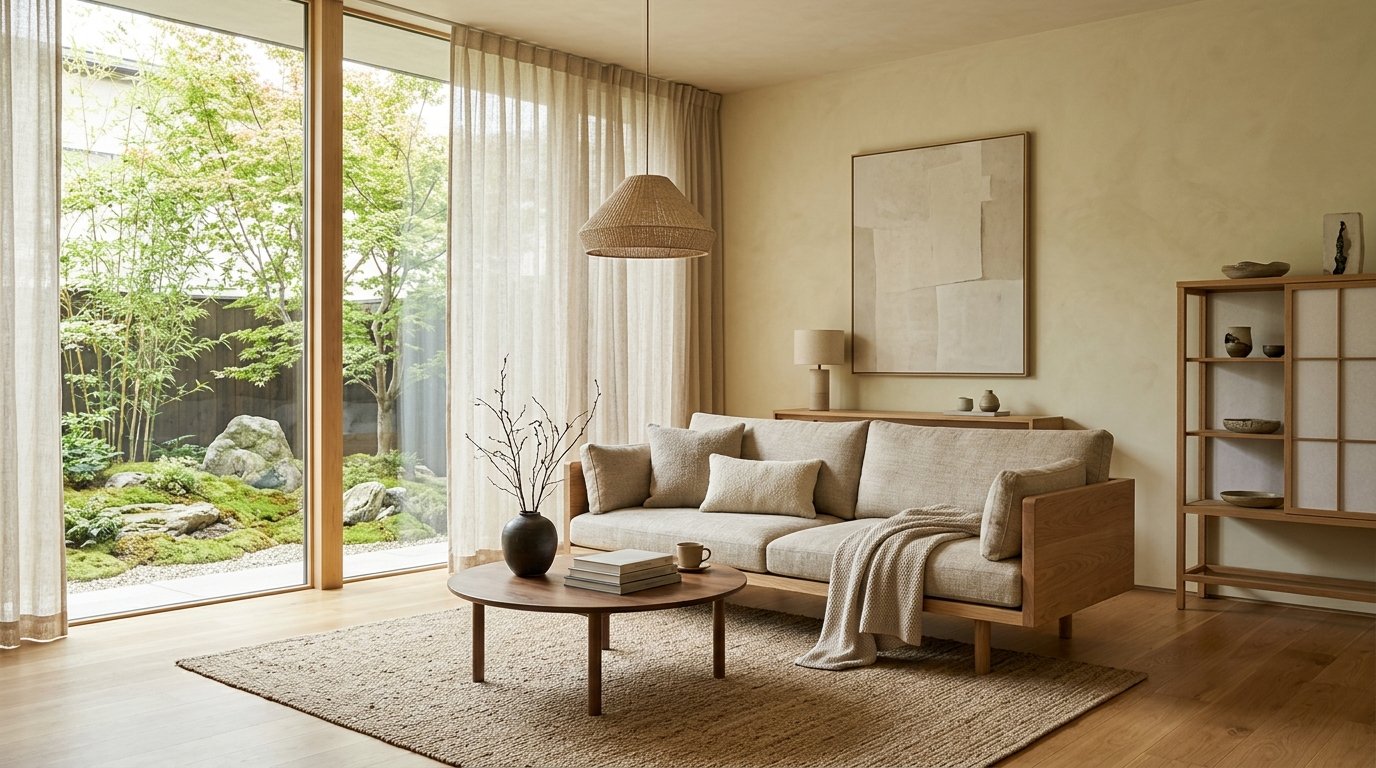
In the world of interior design, trends come and go, but some styles emerge with such timeless appeal that they transcend fleeting fads. One such enduring aesthetic is japandi interior design – a harmonious fusion of Japanese minimalism and Scandinavian functionality. This captivating style offers a unique blend of East and West, creating spaces that are not only beautiful but also deeply calming, practical, and inviting. If you're seeking a design approach that emphasizes simplicity, natural materials, and serene living, Japandi might just be your perfect match.
At ryy.com, we're constantly exploring innovative design concepts that empower homeowners to create their dream spaces. Japandi embodies many of these principles, focusing on thoughtful design and a connection to nature. Let's delve into what makes Japandi so special and how you can bring this tranquil elegance into your own home.
What is Japandi Interior Design? The Best of Both Worlds
Japandi isn't just a trend; it's a philosophy that combines the best elements of two highly admired design traditions. From Japan, it inherits the principles of wabi-sabi, which celebrates the beauty of imperfection, natural cycles, and authenticity. From Scandinavia, it draws inspiration from hygge, the concept of coziness, comfort, and well-being. The result is a style that feels both sophisticated and lived-in, sparse yet warm.
The Fusion: Japanese Wabi-Sabi Meets Scandinavian Hygge
Imagine the quiet elegance of a traditional Japanese tea house meeting the practical, light-filled warmth of a Danish home. That’s the essence of Japandi. Wabi-sabi emphasizes raw, natural materials, handcrafted items, and a sense of impermanence and age. It appreciates the cracks in pottery, the weathered grain of wood, and the unique character that time bestows upon objects. This translates into a preference for unrefined textures and an appreciation for the story an item tells.
Hygge, on the other hand, focuses on creating an atmosphere of comfort and contentment. This is achieved through soft textiles, warm lighting, functional furniture, and a general sense of inviting serenity. While Japanese design often leans towards cooler, darker tones and extreme minimalism, Scandinavian design brightens the palette and introduces softer textures for warmth. Japandi expertly bridges this gap, creating a balanced aesthetic that feels both grounded and uplifting.
Key Characteristics of Japandi Style
- Minimalism with Warmth: Unlike stark minimalism, Japandi ensures spaces feel inviting. It's about having fewer, better-quality items that serve a purpose and bring joy.
- Natural Materials: Wood (light and dark), bamboo, rattan, linen, cotton, wool, ceramic, and stone are paramount. These materials connect the interior to the natural world.
- Neutral Color Palettes: Muted tones are king. Think soft grays, warm whites, earthy browns, muted greens, and subtle blues, often with contrasting dark accents.
- Functionality and Simplicity: Every item has a purpose. Furniture is streamlined, clean-lined, and designed for comfort and utility, without excessive ornamentation.
- Craftsmanship and Quality: There's a strong emphasis on well-made, durable pieces that are built to last and tell a story. Handmade items are highly valued.
- Clean Lines and Open Spaces: Furniture tends to have simple, geometric forms. Spaces are kept uncluttered to promote a sense of calm and flow.
- Connection to Nature: Bringing the outdoors in through plants, natural light, and organic textures is a cornerstone of the style.
Elements of Japandi Design: How to Achieve the Look
Ready to infuse your home with the serene beauty of Japandi? Here’s a breakdown of the essential components to consider. Remember, it's not about replicating, but about understanding the principles and adapting them to your personal taste and space. If you're struggling to visualize these elements in your own home, ryy.com's AI design tools can help you experiment with different looks and see your Japandi vision come to life instantly!
Color Palettes: Serene and Grounding
The Japandi palette is characterized by its tranquility and connection to nature. Think of the serene beauty of a forest or a quiet coastline. Start with a base of soft, muted neutrals like off-whites, warm grays, and pale beiges. These create a calming backdrop for the space. Introduce natural accent colors through textiles or pottery – moss green, deep indigo, terracotta, or charcoal gray can provide gentle contrast without overwhelming the senses. The key is balance and subtlety. Avoid overly bright or saturated colors, which can disrupt the peaceful atmosphere.
Materials: Natural, Textured, and Sustainable
Materiality is where Japandi truly shines. Prioritize natural, sustainable, and tactile materials that invite touch and reveal their inherent beauty. Imagine the soft drape of linen curtains, the rough texture of a jute rug, or the smooth coolness of a ceramic vase.
- Wood: Both light Scandinavian woods (birch, ash, light oak) and darker Japanese woods (walnut, dark oak) are used, often in contrasting combinations.
- Textiles: Linen, cotton, wool, and hemp are preferred for their natural look and feel. Think chunky knits, woven textures, and subtly patterned fabrics.
- Ceramics & Stone: Hand-thrown pottery, stoneware, and natural stone accents (like slate or marble in small doses) add an organic touch.
- Bamboo & Rattan: These materials bring warmth and an earthy, textural quality, often seen in lighting fixtures or furniture accents.
Furniture: Form Meets Function
Japandi furniture is defined by its clean lines, minimalist forms, and exceptional functionality. Pieces are often low-slung, reflecting the Japanese tradition of sitting closer to the ground, which also creates a sense of spaciousness and calm. Look for sturdy, well-crafted items made from natural wood. Sofas and chairs should be comfortable and inviting, upholstered in neutral, textured fabrics. Storage solutions are integrated and discreet, maintaining an uncluttered environment. Every piece should serve a purpose and contribute to the overall serenity of the space, rather than acting as mere decoration. Before you buy, why not use ryy.com to visualize how different furniture pieces will fit into your room?
Decluttering and Minimalism
A core tenet of Japandi is a commitment to intentional living, which translates to a meticulously decluttered space. This isn't about stark emptiness, but rather about thoughtful curation. Embrace the "less is more" philosophy by only keeping items that are beautiful, useful, or hold sentimental value. Invest in smart storage solutions – built-in shelving, discreet cabinets, and multi-functional furniture – to keep necessities out of sight. A clutter-free environment is essential for achieving the calm and clarity inherent in Japandi design. It allows the beauty of each chosen object to be appreciated and creates a sense of spaciousness and mental calm.
Bringing Japandi into Your Home: Room by Room Inspiration
Japandi design can be applied to every room in your home, transforming each space into a peaceful sanctuary. Here are some ideas for incorporating this style, room by room.
The Japandi Living Room
Your living room should be a haven of relaxation. Opt for a low-profile sofa in a natural fabric (linen, cotton) with clean lines. Pair it with a simple wooden coffee table, perhaps a live-edge piece that highlights natural imperfections. Introduce warmth with a soft wool rug, textured throw pillows, and a few carefully chosen decorative items like a ceramic vase with a single branch or a collection of well-loved books. Accent with subtle lighting, like a paper lantern or a minimalist floor lamp, to create a cozy glow. Integrate a few healthy green plants to bring life into the space.
Japandi Bedroom Sanctuary
The bedroom is the ultimate space for rest and rejuvenation. A low platform bed is ideal, dressed in organic cotton or linen bedding in muted tones. Keep bedside tables simple, perhaps a small wooden stool or minimalist shelf with a single, functional lamp. Eliminate clutter by using hidden storage in nightstands or a minimalist dresser. A warm, natural-fiber rug underfoot adds comfort, and sheer curtains allow soft natural light to filter in. Focus on creating a tranquil atmosphere conducive to sleep and relaxation.
Functional Japandi Kitchen & Dining
In the kitchen, Japandi emphasizes functionality and clean surfaces. Choose natural wood cabinetry (light or dark) with simple hardware or handleless designs. Open shelving can display beautiful, handcrafted pottery or minimalist dishware. A large, sturdy wooden dining table serves as the focal point, surrounded by simple, comfortable chairs. Prioritize natural light and ensure surfaces are easy to clean. Consider a large ceramic bowl as a centerpiece, perhaps filled with fresh fruit, to add an organic touch. Even better, use ryy.com to visualize how different kitchen layouts or material choices will look in your space.
Japandi Bathroom Retreat
Transform your bathroom into a spa-like retreat with Japandi principles. Use natural materials like stone tiles, a wooden vanity, and minimalist fixtures. Keep towels neatly folded in natural baskets. Add a simple green plant, such as a snake plant or fern, to introduce a touch of nature. Focus on clean lines, ample light, and a sense of calm. Consider a sleek, wall-mounted toilet and basin to maximize floor space and maintain an uncluttered aesthetic.
Practical Tips for Incorporating Japandi Design
Feeling inspired? Here are some actionable tips to help you start your Japandi journey:
- Declutter Ruthlessly: Before anything else, remove all non-essential items. Embrace empty spaces and negative space as part of the design.
- Invest in Quality over Quantity: Choose fewer, well-made pieces that will last and age beautifully. Think about the story each item tells.
- Mix Woods: Don't be afraid to combine light and dark wood tones. This contrast is key to the Japandi aesthetic and adds depth.
- Embrace Imperfection: Look for handmade ceramics, slightly uneven textures, or furniture with visible wood grain. These elements celebrate wabi-sabi.
- Layer Textures: Use different natural textiles – linen, wool, jute – to add warmth and visual interest without introducing busy patterns.
- Strategic Lighting: Opt for soft, diffused lighting. Think paper lanterns, minimalist lamps, and dimmer switches to create various moods.
- Bring Nature Indoors: Incorporate houseplants (succulents, snake plants, bonsai trees), natural branches, or dried flowers to connect with the outdoors.
- Focus on Function: Every item in your home should serve a purpose. If it doesn't, consider letting it go.
- Create Zones: Use rugs, low furniture, or subtle changes in lighting to define different areas within an open-plan space.
- Experiment Virtually: Not sure if Japandi is right for you, or how specific elements will look in your home? Use ryy.com's free AI interior design tools to experiment with color palettes, furniture layouts, and material combinations. Upload a photo of your room and let our AI generate Japandi-inspired designs for you!
Embrace Serenity with Japandi
Japandi interior design offers more than just a beautiful aesthetic; it offers a lifestyle. It’s about creating spaces that promote peace, mindfulness, and a deep appreciation for simplicity and natural beauty. By blending the cozy warmth of Scandinavian design with the sophisticated minimalism of Japanese aesthetics, you can create a home that truly nourishes your soul.
Whether you're just starting to explore this tranquil style or you're ready to fully transform your home, ryy.com is here to help. Our free AI design tools allow you to effortlessly visualize Japandi concepts in your own space, making the design process fun, accessible, and limitless. Upload a picture of any room, choose the "Japandi" style, and let our AI show you the endless possibilities. Start designing your serene Japandi sanctuary today!