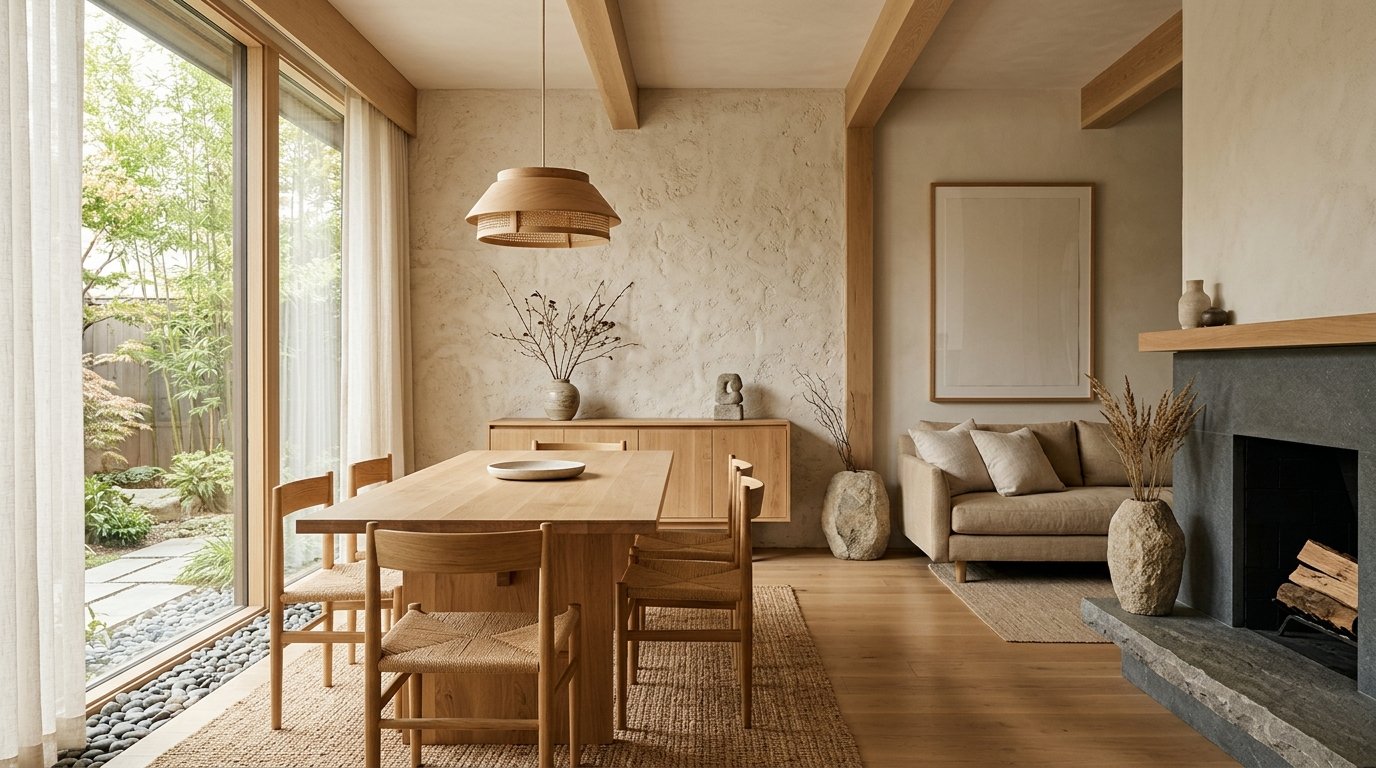
In the bustling world of interior design, certain aesthetics stand out for their timeless appeal and profound impact on our living spaces. Among these, Japandi design has emerged as a beacon of tranquility, marrying the rustic minimalism of Japanese interiors with the cozy functionality of Scandinavian style. At its heart, Japandi design champions simplicity, craftsmanship, and a deep connection to the natural world. This connection is primarily forged through the careful selection and integration of japandi natural materials like wood, stone, and linen.
Far more than just decorative elements, these materials are the very bedrock of the Japandi aesthetic, imbuing spaces with warmth, texture, and an understated elegance that promotes calm and mindful living. If you're looking to infuse your home with this serene style, understanding the role and application of these core natural elements is your first step. Let's delve into how wood, stone, and linen can transform your home into a harmonious sanctuary.
The Essence of Japandi: A Harmony of Philosophies
Before we dive into the materials themselves, it's essential to grasp the philosophies that inform Japandi design. This hybrid style isn't just about mixing furniture; it's about blending two profound cultural approaches to living that prioritize nature, function, and beauty.
Wabi-Sabi: Embracing Imperfection and Authenticity
From the Japanese side, Japandi draws heavily from wabi-sabi – a worldview centered on the acceptance of transience and imperfection. Wabi-sabi celebrates the beauty of natural cycles, the inherent flaws in handmade objects, and the rustic elegance that comes with age and wear. This philosophy dictates a preference for materials in their raw, unaltered states, showcasing their natural textures, grains, and even slight imperfections. When you choose a piece of reclaimed wood furniture or a hand-thrown ceramic vase, you're embracing the wabi-sabi principle of authentic beauty.
Hygge: Crafting Comfort and Coziness
From the Scandinavian side comes hygge (pronounced "hoo-gah") – the Danish and Norwegian concept of coziness and comfortable conviviality that evokes a feeling of contentment or well-being. Hygge translates into interiors through warmth, soft lighting, plush textiles, and an overall sense of inviting comfort. While minimalist, Japandi interiors are never cold. They achieve warmth through the thoughtful use of natural textures and soft furnishings, creating spaces that feel lived-in and nurturing.
The convergence of wabi-sabi's authentic, imperfect beauty and hygge's cozy comfort is what defines Japandi design. And nowhere is this blend more evident than in the selection of materials.
Unveiling Japandi Natural Materials: Wood, Stone & Linen
These three materials are the cornerstones of the Japandi aesthetic, each contributing unique qualities to create a balanced and inviting space.
The Grounding Power of Wood
Wood is arguably the most defining element in Japandi design, bringing warmth, texture, and a direct connection to nature. Its versatility allows it to be incorporated in countless ways, from foundational structures to delicate accents.
- Types of Wood: Japandi embraces a spectrum of wood tones. Lighter woods like birch, ash, and light oak often echo Scandinavian lightness, bringing an airy feel to a room. Darker woods such as walnut or dark oak lend a more traditional Japanese depth and grounding presence. The key is to choose woods that showcase their natural grain and character.
- Finishes: Forget high-gloss and heavy stains. Japandi favors matte, raw, or lightly oiled finishes that allow the wood's natural beauty to shine through. This enhances its tactile quality and aligns with the wabi-sabi appreciation for authenticity.
- Applications:
- Furniture: Minimalist furniture crafted from solid wood is central. Think clean-lined dining tables, low-slung bed frames, elegant sideboards, and sleek chairs.
- Flooring: Wide plank wood flooring, especially in light or medium tones, provides a warm and durable foundation.
- Wall Paneling & Accents: Wood can be used subtly as wall panels to add texture or as accent pieces like shelving, decorative bowls, or sculptural elements.
- Texture and Grain: The visible grain patterns and knots in wood add visual interest and a sense of history, preventing spaces from feeling sterile.
The Earthy Serenity of Stone
Stone introduces an element of timeless stability and raw beauty to Japandi interiors. Its cool, durable nature provides a beautiful contrast to the warmth of wood and textiles.
- Types of Stone: Materials like limestone, slate, basalt, and travertine are popular choices. Their natural variations in color and texture align perfectly with the Japandi ethos. Even river stones or polished pebbles can be used decoratively.
- Finishes: Similar to wood, stone in Japandi design is best presented in its natural or honed (matte) finish. Polished or high-gloss surfaces are generally avoided as they can feel too opulent or artificial, clashing with the wabi-sabi appreciation for raw beauty.
- Applications:
- Countertops & Surfaces: Kitchen and bathroom countertops in honed stone add a touch of refined earthiness.
- Flooring & Wall Tiles: Stone tiles, particularly in bathrooms or entryways, introduce a cool, grounding element.
- Decorative Elements: Stone can appear as simple, sculptural objects like vases, planters, or even just a well-placed, naturally shaped rock on a shelf, inviting contemplation.
- Coolness and Durability: Stone provides a sense of permanence and an opposing tactile experience to wood, adding a layer of sophisticated contrast.
The Soft Embrace of Linen and Natural Textiles
To balance the inherent hardness of wood and stone, natural textiles, especially linen, are indispensable in Japandi design. They introduce softness, comfort, and subtle texture, embodying the hygge aspect of the style.
- Linen: Linen is a hero fabric for Japandi. Its natural wrinkles, subtle texture, breathability, and earthy color palette (think muted grays, creams, and natural flax tones) align perfectly. It's also highly sustainable and durable.
- Other Natural Fibers: Beyond linen, cotton, wool, jute, hemp, and even rattan contribute to the textile repertoire. These materials offer varying degrees of softness, weave, and visual weight.
- Applications:
- Curtains: Sheer linen curtains allow diffused light to enter, creating a soft, ethereal glow.
- Bedding: Linen bedding, with its inviting texture and relaxed drape, contributes to a serene bedroom sanctuary.
- Upholstery: Sofas and chairs upholstered in natural-fiber fabrics offer comfort without sacrificing minimalist aesthetics.
- Throws & Cushions: Layering throws and cushions made from wool, linen, or cotton adds warmth and inviting texture.
- Rugs: Jute, wool, or sisal rugs define zones and add softness underfoot, grounding furniture arrangements.
- Layering: The strategic layering of these textiles adds depth and visual interest without creating clutter, enhancing the overall feeling of cozy comfort.
Beyond the Big Three: Other Elements of Japandi Nature
While wood, stone, and linen are primary, other natural elements further enrich the Japandi aesthetic, creating a holistic connection to the environment.
Ceramics and Pottery
Hand-thrown pottery and ceramics, often with irregular shapes and earthy, muted glazes, beautifully embody the wabi-sabi principle. They serve as functional tableware, decorative vases, or sculptural objects, adding artisanal charm and a touch of human imperfection.
Potted Plants and Greenery
Thoughtfully chosen and strategically placed indoor plants bring life and freshness into a Japandi space. Opt for plants with sculptural forms, such as a tall snake plant, a delicate bonsai, or a peaceful Ficus. The goal isn't a jungle, but rather a few well-chosen green accents that purify the air and connect the interior with the outside world.
Practical Tips for Incorporating Japandi Natural Materials into Your Home
Ready to bring the serene beauty of Japandi design into your living space? Here are some actionable tips:
- Start Small, Think Big: You don't need a complete overhaul. Begin by introducing smaller pieces made from japandi natural materials – a linen throw, a wooden serving board, a stone planter, or ceramic dinnerware.
- Prioritize Quality Over Quantity: Japandi is about mindful consumption. Invest in fewer, well-crafted items made from high-quality natural materials that will stand the test of time and age gracefully.
- Embrace Imperfection: Don't shy away from visible wood grain, natural stone veining, or the inherent wrinkles of linen. These "flaws" are what give natural materials their unique character and tell their story.
- Mix Textures Thoughtfully: The magic of Japandi often lies in the interplay of different textures. Pair a smooth stone tabletop with rough wooden chairs, or soft linen cushions with a woven jute rug to create visual and tactile interest.
- Maintain a Neutral Palette: Let the natural tones of your materials guide your color scheme. Muted grays, whites, creams, and earthy browns will allow the textures and forms of wood, stone, and linen to truly shine.
- Declutter Ruthlessly: To appreciate the beauty of your natural materials, you need space. Adopt a minimalist approach, removing unnecessary items to create a sense of calm and openness.
- Consider Sustainable Sourcing: Align with the Japandi respect for nature by choosing sustainably sourced wood, organic linen, and locally obtained stone where possible.
- Use Ryy.com to Visualize: Unsure how a stone accent wall will look with a wooden console, or which linen fabric best suits your sofa? Use ryy.com's free AI design tools to experiment with different japandi natural materials in your actual room. Upload a photo, and let our AI show you the possibilities instantly!
Cultivating Serenity with Japandi Natural Materials
The beauty of Japandi design lies in its ability to create spaces that are both exquisitely simple and deeply comforting. By focusing on japandi natural materials like wood, stone, and linen, you're not just decorating a room; you're crafting an environment that promotes peace, mindfulness, and a profound connection to the natural world.
These materials bring an authentic, tactile richness that mass-produced alternatives simply cannot replicate. They tell a story, invite touch, and develop character over time, becoming an integral part of your home's unique narrative. Embrace the elegance of the imperfect, the warmth of the natural, and the comfort of the handcrafted, and watch your space transform into a true sanctuary.
Ready to visualize your Japandi-inspired dream home? Dive into the world of AI design with ryy.com! Our free AI design tools allow you to effortlessly experiment with wood finishes, stone textures, and linen fabrics in your own rooms. Simply upload a picture and let our AI help you bring your Japandi vision to life, exploring endless possibilities before making any commitments!