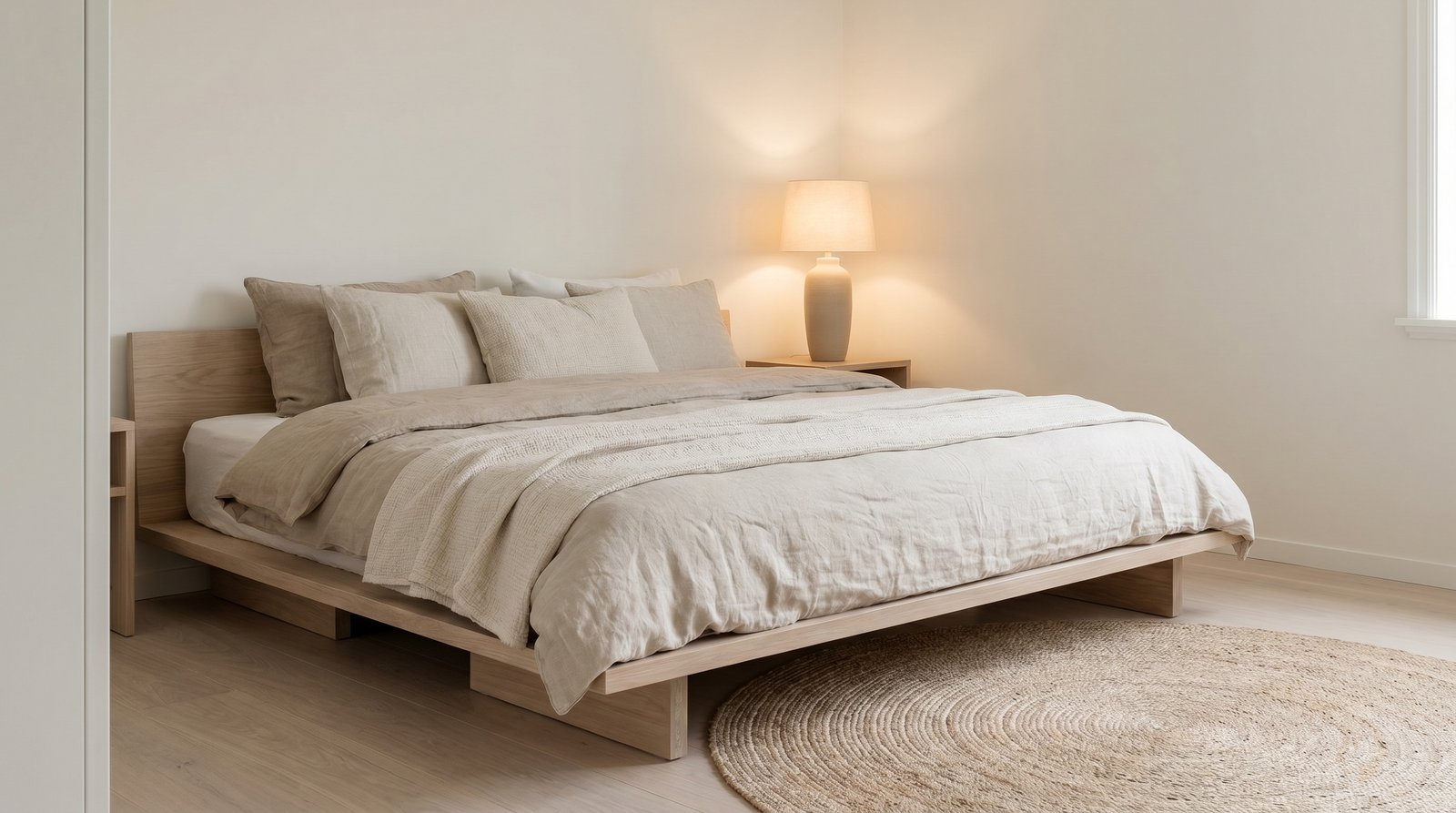
In the vast world of interior design, trends come and go, but some styles emerge with such a profound sense of balance and timeless appeal that they secure a permanent place in our hearts and homes. One such rising star is Japandi, a captivating aesthetic that seamlessly blends the functional simplicity of Scandinavian design with the elegant minimalism of Japanese aesthetics. If you're looking to create a space that is both serene and stylish, understanding Japandi interior design is your first step towards transforming your home into a tranquil sanctuary.
Japandi isn't just a fleeting trend; it's a philosophy that celebrates craftsmanship, natural materials, and a profound appreciation for beauty in simplicity. It’s about creating harmony, decluttering your mind as much as your space, and fostering an environment that promotes peace and mindfulness. This comprehensive guide will explore the origins, core principles, and practical steps to infuse your home with the calming essence of Japanese Scandinavian decor.
What is Japandi Interior Design? Defining the Fusion
At its heart, Japandi is a unique marriage of two distinct yet complementary design philosophies: Japanese minimalism and Scandinavian 'hygge' or 'lagom.' While geographically distant, both cultures share a deep respect for simplicity, natural elements, and thoughtful living, making their fusion feel incredibly organic and cohesive.
Roots in East and West
Japanese design, often rooted in Zen philosophy, emphasizes clean lines, open spaces, functionality, and a connection to nature. Concepts like wabi-sabi (finding beauty in imperfection) and ma (the importance of empty space) are central to its aesthetic. It’s about creating calm, uncluttered environments where every object serves a purpose and contributes to the overall tranquility.
Scandinavian design, on the other hand, is renowned for its practicality, comfort, and warmth. Influenced by long, dark winters, it prioritizes light, natural materials, and a cozy atmosphere (hygge). Its ethos of 'lagom' (just the right amount) promotes sustainability, functionality, and a balanced lifestyle, rejecting excess in favor of purposeful design.
The Core Principles of Japandi
When these two powerful aesthetics meet, the result is Japandi: a style that is sophisticated, understated, and deeply comforting. The core principles of Japandi interior design include:
- Simplicity and Minimalism: A strong emphasis on decluttering and creating open, airy spaces. Every item is chosen for its purpose and aesthetic contribution.
- Functionality and Comfort: Furniture and decor are not just beautiful but also highly practical and inviting.
- Natural Materials: A deep appreciation for wood, bamboo, rattan, ceramics, linen, and wool, often in their raw or lightly treated states.
- Muted Color Palettes: A serene backdrop of neutrals, earthy tones, and soft natural hues, occasionally accented with deeper, grounding colors.
- Craftsmanship and Quality: A preference for well-made, durable pieces that celebrate the beauty of handcrafted imperfections.
- Connection to Nature: Bringing the outdoors in through plants, natural light, and organic textures.
Key Elements of Japanese Scandinavian Decor
Achieving the Japandi look involves carefully curating elements that reflect both sides of its heritage. It’s about balance, contrast, and a harmonious blend of textures and tones.
Muted Color Palettes with Subtle Contrasts
Japandi homes typically feature a calm and muted color scheme. Think soft grays, warm beiges, creamy whites, and earthy browns. These neutral tones provide a serene backdrop, promoting a sense of peace and spaciousness. However, unlike pure Scandinavian white or stark Japanese minimalism, Japandi often introduces subtle contrasts. This might involve pairing light Scandinavian woods with darker, more elegant Japanese-inspired furniture, or adding accents of charcoal, black, or deep indigo to add depth and sophistication without overwhelming the space.
Natural Materials and Textures
This is where Japandi truly shines. The style celebrates the inherent beauty of natural materials. You'll find an abundance of:
- Wood: A cornerstone, ranging from light, blonde woods (pine, birch, ash) characteristic of Scandinavia to darker, richer woods (walnut, teak, bamboo) found in Japanese design. Often, these are juxtaposed for dynamic interest.
- Natural Textiles: Linen, cotton, wool, and jute are preferred for their organic textures and breathable qualities. Think soft throws, textured rugs, and simple upholstery.
- Ceramics and Stoneware: Handmade pottery, subtly glazed ceramics, and rough-hewn stone elements add an authentic, earthy touch.
- Bamboo and Rattan: Used for furniture, lighting fixtures, and decorative accents, adding warmth and intricate patterns.
These materials are often left in their natural state or minimally treated to highlight their inherent beauty and texture.
Simplicity, Functionality, and Clean Lines
Both Japanese and Scandinavian design eschew unnecessary ornamentation. In Japandi, this translates to furniture with clean, uncluttered lines that prioritize function. Pieces are often low-slung, reflecting traditional Japanese seating, combined with the ergonomic sensibility of Scandinavian design. Think minimalist sofas, simple wooden dining tables, and storage solutions that are both discreet and efficient. The goal is to create an open, airy feel where every item serves a clear purpose, contributing to an uncluttered environment that fosters calm.
The Art of Imperfection: Embracing Wabi-Sabi Style
One of the most profound contributions of Japanese aesthetics to Japandi is the concept of wabi-sabi. This philosophy finds beauty in imperfection, transience, and the natural cycle of growth and decay. In Japandi, this translates to embracing items that show their age, have unique irregularities, or are handmade. A slightly uneven ceramic vase, a perfectly imperfect wooden bowl, or a linen fabric with a visible weave all embody the spirit of wabi-sabi style. It's about authenticity and appreciating the character that comes from natural wear and the human touch, rather than striving for sterile perfection.
Greenery and Natural Light
A deep connection to nature is paramount in Japandi. Large windows are left unadorned or minimally dressed to maximize natural light, which is crucial for well-being and enhancing the sense of space. Indoor plants are carefully chosen for their sculptural qualities and air-purifying benefits. Think elegant snake plants, minimalist bonsai, or delicate ferns that bring a touch of the outdoors in without creating clutter. These elements reinforce the feeling of tranquility and connection to the natural world.
How to Achieve Japandi Style in Your Home: Practical Tips
Ready to invite the serenity of Japandi into your living space? Here’s a practical guide to help you get started:
1. Declutter Ruthlessly
The foundation of any Japandi space is minimalism. Start by decluttering every room. Remove anything that doesn't serve a purpose or bring you joy. Embrace the philosophy of "less is more" to create a clean, open canvas.
2. Choose a Muted, Earthy Color Palette
Stick to a base of warm neutrals like off-whites, cream, beige, and light gray. Introduce depth with earthy tones such as terracotta, dusty green, or soft blue. For contrast, add touches of black, charcoal, or deep brown in furniture frames or decorative accents.
3. Prioritize Natural Materials
Invest in furniture and decor made from authentic materials. Opt for solid wood tables, linen sofas, wool rugs, ceramic tableware, and bamboo accents. Mix light and dark woods for visual interest.
4. Focus on Quality Over Quantity
Instead of filling your home with many items, choose a few high-quality, well-crafted pieces. A single, beautifully made ceramic vase will have more impact than a shelf full of generic trinkets. Look for durable, timeless designs.
5. Embrace Clean Lines and Functional Furniture
Select furniture with simple, understated forms. Low-profile sofas, minimalist bed frames, and sleek storage units are ideal. Ensure every piece is functional and contributes to the overall order of the space.
6. Introduce Natural Light and Greenery
Keep windows uncovered or use light, sheer curtains to maximize natural light. Incorporate a few carefully chosen indoor plants. Consider a simple fern, a sculptural olive tree, or a small bonsai to add life and a touch of the outdoors.
7. Incorporate Textural Contrast
While the color palette is muted, texture is key. Pair smooth ceramics with rough linen, soft wool rugs with solid wood flooring, or polished stone with woven bamboo. These contrasts add warmth and visual interest without adding clutter.
8. Celebrate Imperfection (Wabi-Sabi)
Look for handmade items that show the mark of the artisan. A slightly irregular ceramic mug, a wooden stool with visible grain, or a natural stone coaster can add character and depth, embodying the spirit of wabi-sabi style.
9. Thoughtful Lighting
Opt for soft, ambient lighting. Avoid harsh overhead lights. Incorporate lamps with natural shades (rice paper, bamboo) and warm-toned bulbs to create a cozy and inviting atmosphere. Consider floor lamps and table lamps that provide diffused light.
Real Examples and Inspirations for Japandi Interior Design
Imagine a living room with a low-slung, charcoal-gray sofa, accented with a cream linen throw. A light oak coffee table sits on a natural jute rug, adorned with a single, perfectly imperfect ceramic bowl. A tall, elegant snake plant stands in a terracotta pot in the corner, near a window letting in abundant natural light.
In a bedroom, picture a minimalist platform bed made of dark wood, dressed in crisp white linen sheets. A simple, hand-thrown ceramic bedside lamp emits a soft glow, complementing a small, round side table. The walls are a serene beige, with perhaps one piece of abstract, earthy-toned art.
These examples highlight the balance of light and dark, rough and smooth, traditional and contemporary that defines Japandi. It's about creating spaces that feel lived-in and loved, yet utterly calm and composed.
Embrace the Serenity of Japandi in Your Home
Japandi offers more than just an aesthetic; it provides a pathway to a more thoughtful, balanced way of living. By embracing its principles of simplicity, natural beauty, and intentional design, you can transform your home into a tranquil retreat that nurtures your well-being.
Ready to visualize how Japandi interior design can transform your space? Our AI design tools at ryy.com are here to help! Simply upload a photo of your room, describe your vision (e.g., "Japandi living room with light wood and ceramic accents"), and let our AI generate stunning design ideas tailored to your home. Experiment with different furniture layouts, color palettes, and material combinations to perfect your Japandi sanctuary, all for free. Start designing your dream Japandi space today at ryy.com!