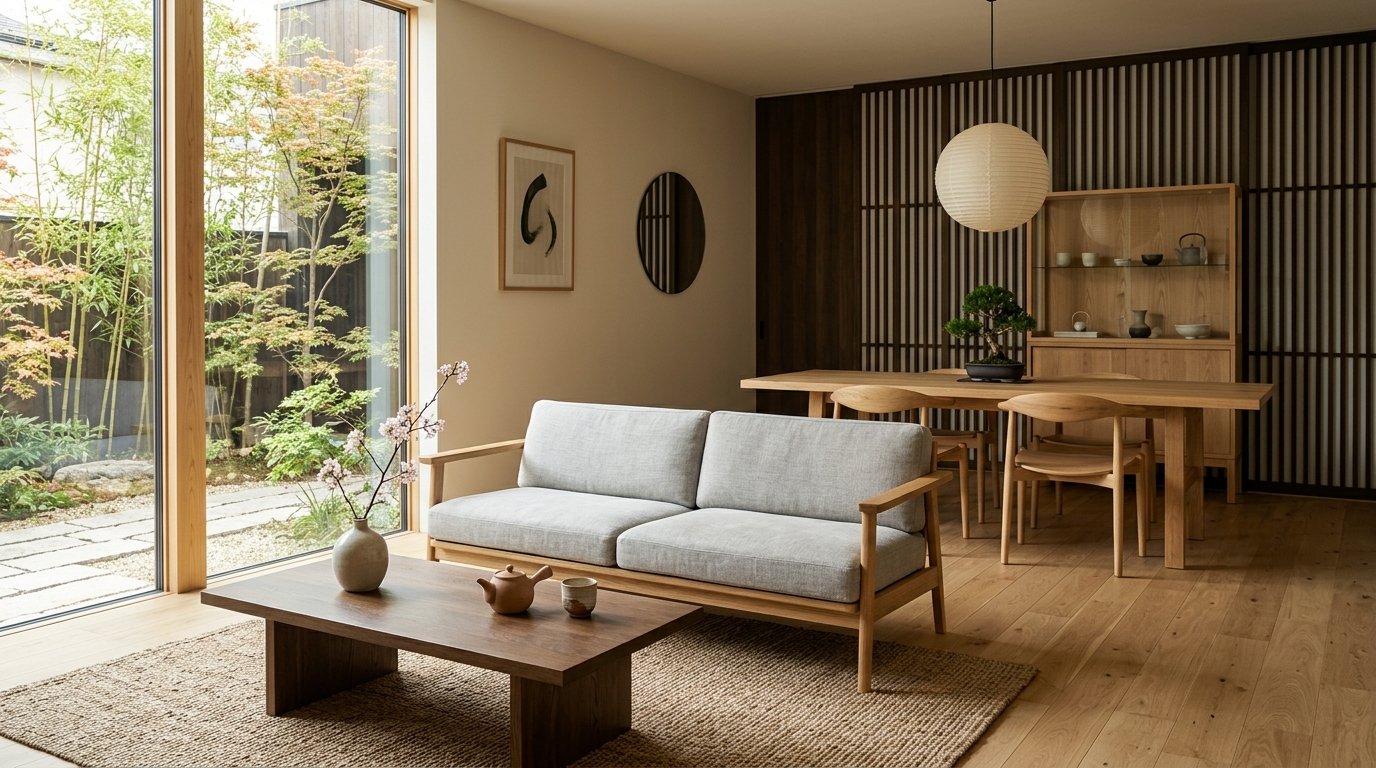
In the vast landscape of interior design, certain styles resonate with a deep sense of peace and functionality. Among them, Japanese minimalism and Scandinavian warmth stand out as beacons of thoughtful living. What happens when these two powerful aesthetics converge? You get Japandi – a harmonious fusion that is more than just a trend; it's a philosophy for living beautifully.
Japandi seamlessly combines the sleek, modern lines of Scandinavian design with the timeless elegance and functional minimalism of Japanese aesthetics. The result is an interior that is both sophisticated and inviting, uncluttered yet rich in texture and meaning. If you're looking to create a calm, organized, and beautiful sanctuary that truly feels like home, mastering the japanese scandinavian mix might be your perfect design journey.
At ryy.com, we believe design should be accessible and inspiring. Our free AI design tools can help you visualize how this captivating style can transform your own space. Let's explore the core elements of Japandi and how you can bring this serene blend into your home.
The Core Principles of Japandi: A Harmonious Blend
To truly understand Japandi, we must first appreciate the foundational philosophies of its parent styles. Scandinavian design, often linked to 'hygge' and 'lagom,' emphasizes comfort, coziness, and a balanced approach to life. Japanese design, deeply rooted in 'wabi-sabi' and 'zen,' celebrates natural imperfections, simplicity, and a connection to nature. When combined, these create a unique synergy.
Minimalism and Simplicity: Less is Truly More
Both Japanese and Scandinavian designs champion minimalism, but with slightly different nuances. Scandinavian minimalism often leans into bright, airy spaces with functional furniture and a focus on natural light. Japanese minimalism, on the other hand, embraces a quiet elegance, emphasizing clear lines, open spaces, and the purposeful placement of essential items. In a Japandi space, this translates to decluttered environments where every object serves a purpose or evokes beauty. Think clean surfaces, ample negative space, and a thoughtful curation of possessions. It's not about deprivation, but about intentionality – choosing quality over quantity and allowing each piece to breathe and be appreciated.
Practical Tip: Before starting your Japandi transformation, embrace a thorough declutter. Evaluate every item in your home. Does it bring you joy? Is it functional? If not, consider letting it go. Our ryy.com AI interior design tool can help you visualize how decluttering opens up your space for a serene Japandi look.
Natural Materials and Textures: Celebrating Authenticity
Natural materials are the bedrock of Japandi style. Both traditions hold a deep respect for nature, incorporating organic elements to foster a sense of calm and connection to the outside world. In Japandi, you'll find an emphasis on raw, authentic textures that appeal to multiple senses.
- Wood: This is perhaps the most defining material. Scandinavian style often favors light woods like birch, ash, and pale oak, bringing brightness to spaces. Japanese design frequently utilizes darker woods such as walnut, cedar, or bamboo for a more grounded, sophisticated feel. In a Japandi space, these contrasting wood tones are often mixed – a light oak flooring paired with a dark walnut coffee table, for instance – creating visual interest and depth.
- Textiles: Linen, cotton, wool, and jute are prevalent. Think chunky knit throws, woven rugs, and simple, natural curtains. These add warmth, softness, and an inviting tactility without overwhelming the minimalist aesthetic.
- Ceramics and Pottery: Hand-thrown ceramics, often with an imperfect, artisanal finish (a nod to wabi-sabi), are key accent pieces. They add character and a handcrafted touch.
- Paper: From delicate Shoji screens to elegant paper lanterns, paper elements introduce a soft, diffused light and a sense of weightlessness.
The beauty lies in the juxtaposition of these textures – the smoothness of wood against the roughness of pottery, the crispness of linen against the softness of wool. This layering creates a rich sensory experience within a minimalist framework.
Functionality and Comfort: Living Well Every Day
Japandi design is not just about aesthetics; it's about creating spaces that are highly functional and conducive to comfortable living. Scandinavian design, with its focus on ergonomic furniture and practical layouts, ensures that homes are easy to live in. Japanese design, too, prioritizes utility, often incorporating clever storage solutions and multi-functional elements.
In a Japandi home, furniture is chosen for its purpose and comfort. Low-slung sofas and beds, often seen in Japanese homes, merge with the plush cushions and ergonomic shapes favored by Scandinavian design. Storage is often built-in or seamlessly integrated, maintaining a clean and uncluttered look. Every item has its place, and every space serves its function, creating an environment that supports daily routines and encourages relaxation.
Craftsmanship and Imperfection (Wabi-Sabi): The Soul of Japandi
The Japanese concept of Wabi-Sabi – finding beauty in imperfection, transience, and natural cycles – deeply influences Japandi. It's a counterpoint to mass-produced perfection, celebrating the unique character of handmade objects and the subtle flaws that make them truly special. This translates to an appreciation for artisanal crafts, handmade ceramics, furniture with visible wood grain, and textiles with slight variations in weave.
Scandinavian design, too, values quality craftsmanship and timeless design, often with an emphasis on durable, well-made pieces that last for generations. Together, they advocate for investing in fewer, higher-quality items that tell a story and age gracefully, rather than chasing fleeting trends. This focus on longevity and authenticity enriches the space with character and soul.
Color Palette and Lighting for a Serene Japandi Space
The color scheme and lighting are crucial in establishing the calm and harmonious atmosphere characteristic of Japandi style.
The Japandi Color Story: Muted Tones and Subtle Contrasts
The Japandi color palette is typically restrained, drawing inspiration from nature. Scandinavian design often uses a bright, neutral base of whites, off-whites, and cool grays, punctuated by soft pastels. Japanese aesthetics lean towards more earthy, muted tones – deep charcoals, muted blues, forest greens, and rich browns, often with touches of black and terracotta.
The Japandi blend expertly combines these. You'll often see a Scandinavian light neutral base, providing an airy backdrop, layered with Japanese-inspired darker, more grounding tones for furniture, accents, or feature walls. The key is balance: subtle contrasts that add depth without overwhelming the senses. Imagine a room with light grey walls, a natural linen sofa, and accents of charcoal pillows, a deep green ceramic vase, and a dark wooden side table. This interplay creates visual interest and sophistication.
Illuminating Your Space: Natural Light & Thoughtful Fixtures
Both styles prioritize natural light, seeking to maximize its presence in the home. Large windows, sheer curtains (or no curtains at all), and open layouts are common to allow sunlight to flood the space, enhancing the feeling of openness and airiness.
When it comes to artificial lighting, the focus is on creating warmth and ambiance. Minimalist light fixtures with clean lines are favored. Japanese paper lanterns (like Akari lamps by Isamu Noguchi) are iconic and diffuse light beautifully, creating a soft, inviting glow. Scandinavian designs often feature simple pendant lights, floor lamps with natural shades, and strategically placed task lighting. The goal is to provide adequate illumination without harshness, creating a cozy and welcoming atmosphere.
Design Hack: Use smart lighting solutions to adjust brightness and warmth throughout the day. A warm, dim light in the evenings can enhance the 'hygge' factor and create a serene mood. Explore different lighting arrangements using ryy.com's AI design tools to see how they impact your Japandi vision.
Furniture and Decor: Merging Forms and Functions for the Japanese Scandinavian Mix
The selection of furniture and decorative elements is where the japanese scandinavian mix truly comes to life, demonstrating how disparate styles can create a cohesive and unique aesthetic.
Furniture Selection: Clean Lines, Low Profiles, and Comfort
Japandi furniture strikes a balance between comfort and elegant simplicity. Look for pieces with clean lines, minimal ornamentation, and a strong emphasis on natural materials. Scandinavian furniture often features light wood, soft upholstery, and ergonomic designs. Japanese furniture, by contrast, frequently adopts lower profiles, reflecting a cultural connection to sitting closer to the ground, and often uses darker woods or bamboo.
In a Japandi setting, you might find a low-slung, deeply cushioned Scandinavian-style sofa paired with a simple, dark wood coffee table. Dining tables are often robust and simple, complemented by chairs that prioritize comfort and clean design. Beds are typically platform-style, keeping the sleeping area grounded and minimalist. The emphasis is on quality over quantity – investing in a few well-designed pieces that will stand the test of time.
Thoughtful Decor: Less is More, with Purpose
Decor in Japandi spaces is always intentional and never excessive. Each item is chosen for its beauty, functionality, or sentimental value, contributing to a sense of calm rather than clutter.
- Plants: Incorporating greenery is vital. Simple, elegant plants like Fiddle Leaf Figs, Snake Plants, or Bonsai trees add life and a touch of nature without being overly ornamental. They bring the outdoors in, a principle central to both Japanese and Scandinavian design.
- Ceramics and Pottery: Hand-thrown bowls, vases, and mugs in muted, earthy tones are perfect. Their slight imperfections enhance the wabi-sabi aesthetic.
- Textiles: Introduce throws and cushions in natural fabrics like linen, wool, or cotton. These add texture and warmth.
- Art: Abstract art, minimalist photography, or even simple botanical prints can adorn walls. The art should complement the serene aesthetic, not dominate it. Often, a single, carefully chosen piece makes a stronger statement than multiple items.
- Books: Curated stacks of beautiful books can add a personal touch and hint at intellectual curiosity without creating visual chaos.
Remember, the goal is not to fill every surface, but to create vignettes that are pleasing to the eye and encourage contemplation. The space itself should be the primary aesthetic, with decor serving as thoughtful accents.
Practical Tips for Designing Your Japandi Home
Ready to embark on your Japandi journey? Here are actionable steps to help you achieve this balanced and beautiful style:
- Start with a Purge: Before buying anything new, declutter ruthlessly. A minimalist foundation is essential for Japandi.
- Define Your Neutral Base: Choose a primary color palette of whites, creams, or light grays for walls and large furniture.
- Introduce Contrasting Woods: Mix lighter Scandinavian woods (birch, ash, light oak) with darker Japanese woods (walnut, black-stained wood, bamboo). For example, a light wood floor with a dark wood coffee table.
- Layer Natural Textures: Use linen curtains, wool throws, jute rugs, and ceramic vases to add depth and warmth.
- Embrace Imperfection: Seek out handmade ceramics, woven baskets, or furniture with visible wood grain. These subtle flaws add character.
- Go Green with Plants: Incorporate a few elegant plants like snake plants, bonsai, or a peaceful olive tree. Choose minimalist planters.
- Maximize Natural Light: Keep windows unobstructed or use sheer, natural fabric curtains.
- Choose Low-Slung Furniture: Opt for sofas, beds, and coffee tables that have a lower profile to enhance the feeling of spaciousness and calm.
- Focus on Functionality: Every item should serve a purpose. Integrate smart storage solutions to keep clutter at bay.
- Curate, Don't Decorate: Select only a few meaningful decorative items. A single, well-placed piece can speak volumes.
- Experiment with ryy.com: Use our free AI interior design tools at ryy.com. Upload a photo of your room and experiment with different Japandi color palettes, furniture layouts, and decor elements before making any commitments. It’s the perfect way to visualize your dream space!
Conclusion: Your Serene Japandi Sanctuary Awaits
The Japandi style offers a beautiful solution for those seeking a home that is both aesthetically pleasing and deeply calming. By thoughtfully combining the best elements of Japanese and Scandinavian design, you can create a space that celebrates simplicity, natural materials, functionality, and a profound appreciation for beauty in everyday life.
The japanese scandinavian mix is more than just a style; it's an invitation to live more intentionally, surrounded by items that bring joy and tranquility. It's about crafting an environment that feels spacious, inviting, and truly reflective of a balanced lifestyle. Whether you’re drawn to the clean lines of Scandinavian design or the serene elegance of Japanese aesthetics, Japandi allows you to blend these influences into a cohesive, harmonious whole.
Ready to bring the peace and beauty of Japandi into your home? Don't just imagine it – visualize it! Visit ryy.com today and use our free AI design tools to experiment with Japandi elements in your own space. See how different furniture, colors, and layouts can transform your room into the tranquil sanctuary you've always dreamed of. Your perfect Japandi home is just a few clicks away!