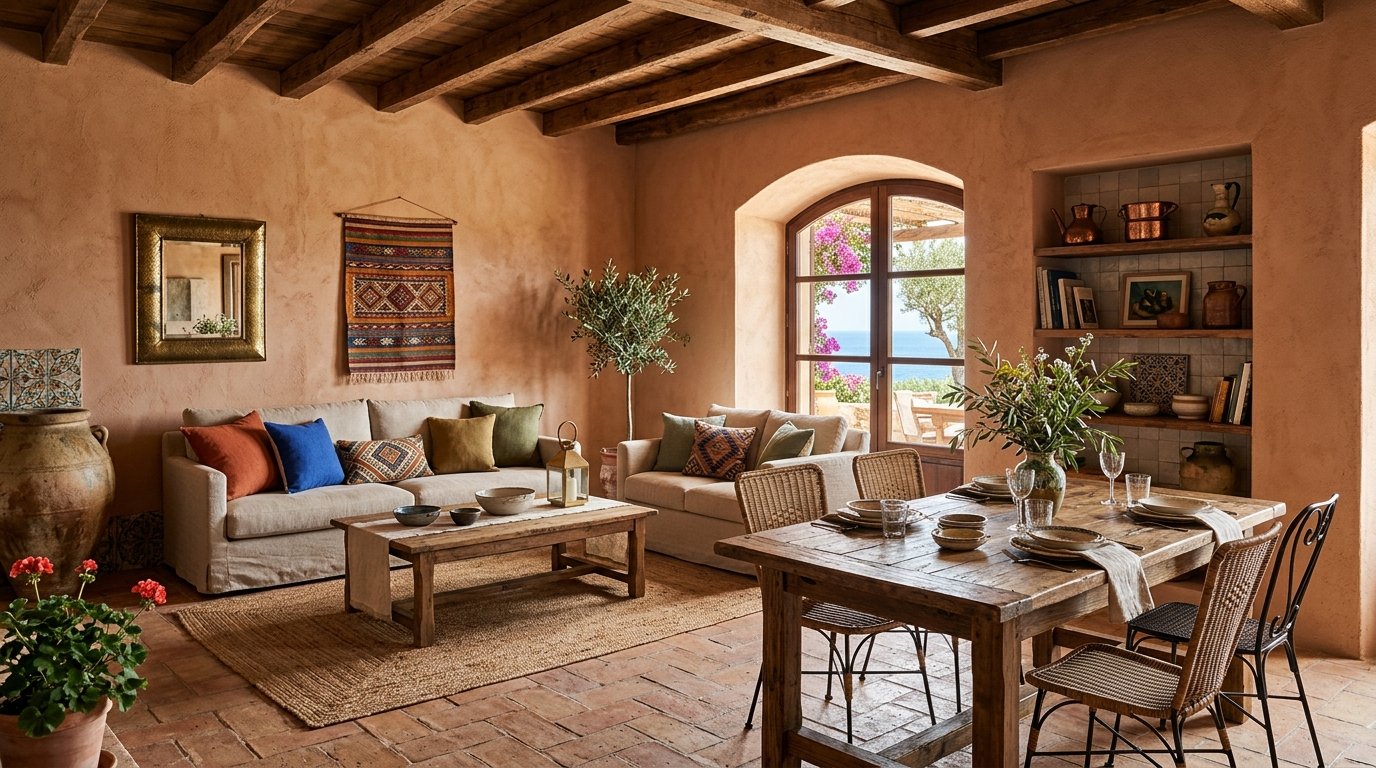
Imagine stepping into a home where the sun always seems to shine, where the air feels naturally warm and inviting, and every surface tells a story of craftsmanship and connection to nature. This is the enduring charm of Mediterranean interior design – a style that effortlessly blends rustic elegance with vibrant, earthy tones and a rich tapestry of textures. Inspired by the sun-drenched coastlines and ancient villages of countries bordering the Mediterranean Sea, this aesthetic offers a retreat from the hustle and bustle, creating spaces that are both luxurious and laid-back.
Far from being just a trend, Mediterranean design is a lifestyle. It celebrates natural light, open spaces, and materials that age gracefully, reflecting the timeless beauty of its origins. At its heart, it's about warmth – in color, in material, and in feeling. If you're yearning to infuse your home with this serene yet spirited ambiance, you’ve come to the right place. We'll explore how to master the art of selecting warm colors and incorporating diverse textures to bring the Mediterranean dream into your living space, and how ryy.com can help you visualize these transformations effortlessly.
The Essence of Mediterranean Interior Design: A Sun-Drenched Palette
The hallmark of Mediterranean interior design is its captivating color palette, directly inspired by the natural landscapes of the region. Think of the terracotta roofs, the deep blue sea, the verdant olive groves, and the creamy white stucco walls – all under a brilliant sun. These colors are not just beautiful; they evoke a sense of peace, warmth, and groundedness.
Embracing Earthy Warm Tones
The foundation of any Mediterranean-inspired room starts with a robust selection of earthy, warm tones. These colors create an inviting backdrop that feels both ancient and comforting:
- Terracotta & Ochre: Reminiscent of sun-baked clay pots and ancient buildings, these rich, burnt oranges and deep yellows are quintessential. Use them in tiles, decorative pottery, or as accent walls to inject genuine warmth.
- Sandy Beige & Warm Whites: These neutral tones are crucial for creating a bright, airy feel. They reflect light beautifully, making spaces feel larger and more open. Opt for creamy whites, light sand, or pale stone hues for walls and larger furniture pieces to provide a calming canvas.
- Olive & Sage Greens: Evoking the region's abundant olive groves and fragrant herbs, these muted greens bring a sense of nature and tranquility indoors. They pair wonderfully with terracotta and warm neutrals, appearing in textiles, plants, or painted furniture.
- Deep Browns: From rustic wooden beams to sturdy furniture, various shades of brown ground the space. They add depth and a sense of history, often found in natural wood, leather, or woven elements.
Accent Hues: A Touch of the Mediterranean Sea and Sky
While earthy tones form the base, strategic pops of color reminiscent of the sea and sky add vibrancy and a refreshing contrast:
- Cobalt & Mediterranean Blues: These vivid blues are perhaps the most iconic accent colors, instantly recalling the sparkling waters of the Aegean or Adriatic. Use them sparingly in decorative tiles, throw pillows, ceramic vases, or small accessories to create striking focal points.
- Turquoise & Seafoam Green: Lighter and more playful, these hues can soften the deeper tones and add a coastal breeze feel. They work well in glasswork, specific patterns, or smaller textile details.
- Burnt Orange & Deep Red: Sometimes a bolder red or a richer orange, reminiscent of spices or bougainvillea, can be introduced through patterned rugs, pottery, or intricate textile designs, adding a touch of exotic flair.
The key is balance. Let the warm, earthy tones dominate, using the blues and greens as thoughtful splashes to break the monotony and add character.
Textural Richness: A Feast for the Senses
Beyond color, texture is perhaps the most defining characteristic of Mediterranean style. It's about engaging all the senses, inviting touch, and creating depth. The interplay of rough and smooth, matte and glazed, soft and hard, brings a layered complexity that feels authentically old-world and incredibly inviting.
Natural Materials as Foundation
The Mediterranean aesthetic is deeply rooted in natural, often unrefined materials that tell a story of craftsmanship and connection to the earth:
- Stone: Limestone, travertine, marble, and terracotta are paramount. Use them for flooring, countertops, fireplace surrounds, or even accent walls. The cool, solid feel of stone underfoot is a quintessential Mediterranean experience, and its natural variations add immense character.
- Wood: Rustic, often dark, and sometimes distressed wood is a staple. Think exposed ceiling beams, heavy antique doors, sturdy dining tables, and carved wooden furniture. Reclaimed wood adds history and a sense of sustainability.
- Plaster & Stucco: Walls often feature a textured plaster finish, mimicking the hand-applied stucco of traditional Mediterranean homes. This irregular, matte surface adds softness and depth, a departure from perfectly smooth walls.
- Wrought Iron: Intricate wrought ironwork is a signature element, seen in stair railings, balcony balustrades, light fixtures, and furniture frames. Its dark, sturdy presence provides an elegant contrast to the softer textures and colors.
Textiles and Soft Furnishings
To soften the hard surfaces of stone and wood, textiles play a crucial role, adding comfort and enhancing the tactile experience:
- Linen & Cotton: Breathable, natural fabrics like linen and cotton are ideal for curtains, upholstery, and bedding. Their slightly crinkled texture adds to the relaxed, lived-in feel.
- Wool & Jute: Hand-woven rugs made from wool, jute, or sisal add warmth and absorb sound. Their natural fibers and often simple, geometric patterns ground the space.
- Embroidered & Textured Fabrics: Look for textiles with subtle patterns, fringes, or embroidery. These might include throw blankets, decorative pillows, or wall hangings that bring in cultural influences and additional layers of texture.
Architectural Details and Decorative Elements
Beyond the primary materials, specific architectural and decorative elements amplify the Mediterranean feel:
- Arches: Curved doorways and windows, or even decorative wall niches, instantly evoke ancient Mediterranean architecture, adding a soft, inviting flow between spaces.
- Terracotta & Ceramic Pottery: Glazed and unglazed pottery, from large floor vases to decorative bowls and plates, is essential. Display these handcrafted items on shelves, tables, or even hung on walls.
- Mosaic Tiles: Often found in bathrooms, kitchens, or as decorative inlays, mosaic tiles add vibrant color and intricate patterns, showcasing artisanal craftsmanship.
- Hand-Blown Glass: Simple yet elegant glass fixtures or decorative pieces can add a touch of sparkle and light.
Bringing Mediterranean Style to Every Room
The beauty of Mediterranean interior design is its versatility. While consistent in its principles of warmth and texture, its application can vary subtly from room to room, creating a cohesive yet dynamic home.
Living Rooms: Comfort and Connection
In the living room, the goal is to create a welcoming space for gathering. Start with substantial, comfortable sofas upholstered in natural linen or cotton in warm whites or earthy tones. Pair them with heavy wooden coffee tables, perhaps a rustic chest acting as a centerpiece. Incorporate wrought iron side tables or lighting fixtures. Layer with a large wool or jute rug, and scatter throw pillows in blues, greens, or terracotta. Large windows, ideally without heavy drapes, should allow ample natural light, possibly softened by sheer linen curtains.
Kitchens: The Heart of the Home
Mediterranean kitchens are often the bustling heart of the home. Terracotta floor tiles are a classic choice, complemented by sturdy wooden cabinetry – perhaps painted in a soft olive green or left natural with a distressed finish. Open shelving displaying ceramic dishes, copper pots, and glass jars filled with spices adds a rustic, lived-in feel. A large, rustic wooden table serves as a central gathering point. Backsplashes might feature hand-painted ceramic tiles or simple, textured stone.
Bedrooms: A Sanctuary of Serenity
For the bedroom, tranquility is key. An iron bed frame or a solid wooden frame becomes a natural focal point. Keep bedding simple and luxurious – crisp white linen or cotton sheets, perhaps a subtle stripe or embroidered detail. Wooden nightstands, a rustic chest of drawers, and soft, indirect lighting from wrought iron sconces or ceramic lamps enhance the calming atmosphere. Avoid clutter to maintain a serene, uncluttered feel.
Bathrooms: Spa-Like Retreats
Transform your bathroom into a Mediterranean oasis with natural stone tiles on floors and walls, perhaps interspersed with decorative mosaic accents. A wooden vanity with a stone countertop, a large mirror (possibly with a wrought iron frame), and simple, functional fixtures create a clean yet rich aesthetic. White or cream towels, natural sponges, and a small potted plant (like an olive sapling or succulent) complete the look.
Practical Tips for Achieving Mediterranean Design
Ready to infuse your home with the enchanting spirit of the Mediterranean? Here are actionable tips to guide your design journey:
- Start with a Warm, Neutral Base: Begin with walls painted in warm whites, sandy beiges, or light terracotta. This creates the perfect canvas for layering.
- Layer Textures Generously: This is crucial. Combine smooth stone with rough plaster, soft linen with sturdy wood, shiny ceramics with matte pottery. The contrast adds depth and interest.
- Embrace Natural Materials: Prioritize wood, stone, clay, linen, cotton, and wrought iron. Avoid plastics and synthetic materials where possible.
- Incorporate Artisanal Pieces: Seek out handcrafted ceramics, pottery, hand-woven rugs, and carved wooden items. These pieces add authenticity and a unique story.
- Let Light Flow: Maximize natural light. Use sheer curtains or leave windows uncovered where privacy allows. Supplement with warm, ambient lighting from lamps and sconces.
- Add Greenery: Bring in large potted plants like olive trees, fig trees, or citrus plants, and smaller herbs like rosemary and lavender to reinforce the connection to nature.
- Think Indoor-Outdoor Flow: If possible, create a seamless transition between indoor spaces and outdoor patios or balconies, using similar materials and colors.
- Declutter and Simplify: While rich in texture, Mediterranean design isn't about excess. Focus on quality pieces and let the materials and architecture speak for themselves.
Feeling inspired but unsure how these ideas would look in your actual home? This is where ryy.com's free AI interior design tool comes in handy! Simply upload a photo of your room, select "Mediterranean" or experiment with specific color palettes and materials, and instantly see personalized design ideas. Visualize new wall colors, flooring, furniture layouts, and decorative accents in seconds, taking the guesswork out of your design process!
Conclusion: Your Mediterranean Dream Awaits
Mediterranean interior design is more than just a style; it's an invitation to a life of warmth, comfort, and connection to the natural world. By meticulously selecting a palette of sun-drenched colors and layering a rich array of natural textures, you can transform your home into a tranquil haven that breathes with the spirit of the Mediterranean coast.
From the rough charm of exposed stone to the inviting softness of linen, every element works in harmony to create spaces that feel both ancient and timelessly appealing. So, whether you're dreaming of a rustic Italian farmhouse kitchen, a serene Greek island bedroom, or a vibrant Spanish living room, the core principles of warm colors and captivating textures will guide your way.
Ready to bring your Mediterranean vision to life? Don't leave it to imagination. Visit ryy.com today and use our free AI interior design tools to explore countless Mediterranean design possibilities tailored to your unique space. Visualize, experiment, and make your dream home a reality, effortlessly and for free!