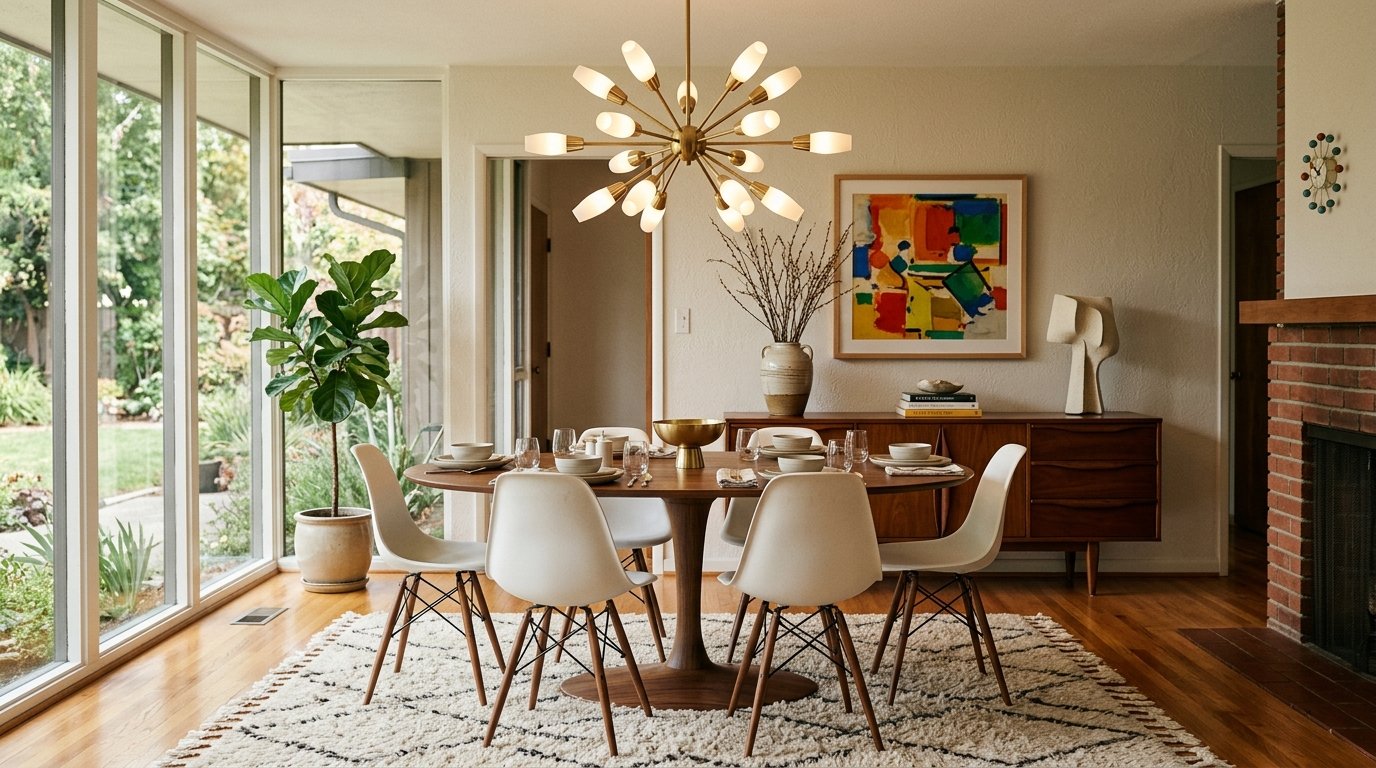
The allure of Mid-Century Modern (MCM) design lies in its timeless elegance, functional simplicity, and profound connection to a golden age of design innovation. For homeowners and design enthusiasts alike, creating a mid century dining room isn't just about furnishing a space; it's about curating an experience, a conversation, and a testament to enduring style. This era, roughly spanning the 1940s to the 1960s, gave birth to iconic pieces that continue to define modern aesthetics. But what exactly makes a piece "statement-worthy" in an MCM dining room, and how can you integrate these design marvels into your home? Let's delve into the world of sculptural tables, ergonomic chairs, and breathtaking lighting that transform a mere eating area into a sophisticated design haven.
The Allure of Mid-Century Modern Design
Mid-Century Modern isn't just a trend; it's a design philosophy rooted in a post-war optimism that sought to blend functionality with artistic expression. Its enduring popularity stems from its adaptability and ability to feel both vintage and utterly contemporary.
What Defines Mid-Century Modern?
At its core, MCM design is characterized by:
- Clean Lines and Organic Shapes: A rejection of excessive ornamentation, favoring sleek profiles and fluid, often curvilinear forms inspired by nature.
- Functionality: Every piece serves a purpose, designed for everyday living without sacrificing aesthetics.
- Natural and Man-Made Materials: A harmonious blend of rich woods like teak, walnut, and rosewood with innovative materials such as molded plywood, fiberglass, plastic, and metal.
- Minimalist Aesthetic: An emphasis on uncluttered spaces, letting individual pieces truly shine.
- Integration with Nature: Large windows, indoor plants, and a seamless connection between indoor and outdoor spaces.
These elements combine to create interiors that are both sophisticated and comfortable, inviting yet refined.
Why it Works for the Dining Room
The dining room, a space for gathering, sharing meals, and making memories, is perhaps one of the best rooms to showcase MCM design. The era's focus on comfortable seating, durable materials, and conversation-conducive layouts makes it inherently suited for a dining environment. An MCM dining room exudes a welcoming warmth while maintaining an undeniable sense of chic sophistication. It’s a space where form and function truly dance in perfect harmony, making every meal feel like a special occasion.
Anchoring Your Mid Century Dining Room: The Table
The dining table is the undisputed centerpiece of any dining space, and in a mid century dining room, it’s often the first statement piece that sets the tone for the entire room. These tables are not just surfaces for meals; they are sculptural elements designed to draw the eye and facilitate interaction.
Iconic Silhouettes and Materials
Mid-Century Modern dining tables are celebrated for their distinctive profiles and the quality of their materials. Look for:
- Saarinen Tulip Table: Designed by Eero Saarinen, this iconic table features a revolutionary single pedestal base, eliminating the "slum of legs" beneath. Available in round or oval tops, often in marble, laminate, or wood, it's a masterpiece of minimalist elegance.
- Walnut and Teak Tables: Rich, warm woods like walnut and teak were prevalent. Tables often feature clean, tapered legs, sometimes with extension leaves seamlessly integrated, showcasing superb craftsmanship and natural beauty.
- Glass-Top Tables: Pieces like Noguchi's Cyclone Table or various designs featuring a clear glass top on a sculptural base offer an airy feel, allowing the base to be the star.
When selecting your table, consider its visual weight and how it will interact with the other elements in the room. A substantial wooden table grounds the space, while a glass or pedestal table can make a smaller room feel more open.
Choosing the Right Shape and Size
The shape and size of your dining table are crucial for both aesthetics and functionality:
- Round Tables: Excellent for promoting conversation as everyone faces each other. Ideal for smaller spaces or square rooms.
- Rectangular Tables: The most common and versatile, perfect for larger families or entertaining. They fit well in rectangular rooms and can often accommodate extension leaves.
- Oval Tables: Offer the linear flexibility of a rectangular table with the softer, more social feel of a round one. They can be great for breaking up angular rooms.
Measure your dining area carefully, ensuring there's at least 36-48 inches of clearance around the table for chairs to be pulled out comfortably and for people to walk past.
Seating in Style: Mid-Century Dining Chairs
Mid-Century Modern dining chairs are where ergonomic design truly meets art. Designers of this era challenged conventional chair forms, creating pieces that were both incredibly comfortable and visually striking. They are often the most recognized statement pieces in an MCM dining setup.
Beyond Just a Seat: Form Meets Function
MCM chairs are celebrated for their innovative use of materials and their commitment to the human form. Key examples include:
- Eames DSW/DSX Chairs: Charles and Ray Eames’ iconic fiberglass (now often polypropylene) chairs with their "Eiffel Tower" bases are universally recognized. They offer a comfortable, supportive sit and come in a myriad of colors.
- Hans Wegner Wishbone Chair: A masterpiece of Danish modern design, the Wishbone Chair's elegant steam-bent top rail and hand-woven paper cord seat make it a light, airy, and enduring classic.
- Panton Chair: Verner Panton's revolutionary cantilevered, S-shaped chair was the first single-form injection-molded plastic chair, embodying a futuristic and playful spirit.
- Marcel Breuer Cesca Chair: With its tubular steel frame and woven cane or upholstered seat and back, the Cesca chair blends industrial materials with natural textures.
These chairs are not merely functional; they are sculptural objects that add significant aesthetic value to your dining space.
Mixing and Matching for Personality
While a matching set of chairs offers a cohesive look, one of the joys of MCM design is the freedom to mix and match. Consider:
- Different Chairs, Same Table: Pair a clean-lined wooden table with a mix of Eames plastic chairs in varying colors, or combine classic wooden chairs with a few statement armchairs at the ends.
- Different Materials, Similar Forms: Combine chairs of similar silhouettes but made from different materials (e.g., a few wood chairs with a couple of metal-frame chairs).
- Consistent Color Palette: If you're mixing styles, stick to a consistent color palette (e.g., all natural woods, or a limited range of complementary colors) to maintain visual harmony.
Mixing chairs adds personality and a curated, lived-in feel, making your dining room truly unique.
Illuminating Your Space: Statement Lighting
Lighting in a Mid-Century Modern dining room is far more than just illumination; it's a focal point, a piece of art that casts a glow both literally and figuratively. MCM designers embraced innovative forms and materials to create lighting fixtures that were both functional and dramatically sculptural.
Sculptural Chandeliers and Pendants
Look for lighting that serves as a visual anchor above your dining table:
- Sputnik Chandeliers: Inspired by the first artificial satellite, these fixtures feature multiple arms radiating from a central sphere, often adorned with bulbs or frosted glass globes. They are bold, geometric, and undeniably impactful.
- Nelson Bubble Lamps: Designed by George Nelson, these elegant, ethereal lamps feature a steel wire frame coated with a translucent plastic polymer, creating a soft, diffused glow. Available in various organic shapes (saucer, ball, cigar), they add a touch of delicate modernism.
- Poul Henningsen Artichoke Lamp: A true icon of Danish design, the Artichoke lamp consists of 72 precisely positioned "leaves" that reflect and direct light to prevent glare, creating a warm, inviting ambiance. This piece is an investment in both art and light.
- Brass Pendants: Fixtures with clean lines and exposed bulbs, often featuring brass or polished chrome accents, are characteristic of the era.
These pieces are designed to be admired, even when not illuminated, acting as a sculptural element that elevates the entire dining experience.
Functional and Aesthetic Placement
Consider the height and position of your lighting for optimal effect. A good rule of thumb is to hang your chandelier or pendant 30-36 inches above the dining table surface in a room with an 8-foot ceiling. Adjust higher for taller ceilings. Supplement overhead lighting with wall sconces or a floor lamp in a corner to add layers of light and enhance the mood. Dimmers are essential for creating versatile ambiance, allowing you to transition from bright dinner parties to intimate conversations.
Beyond the Essentials: Supporting Statement Pieces
While the table, chairs, and lighting form the core, other elements can enhance your Mid-Century Modern dining room, adding functionality and further defining the aesthetic.
The Credenza or Buffet: Storage and Style
A Mid-Century Modern credenza or buffet is a highly functional and visually stunning addition. These pieces are typically long, low-slung, and crafted from rich woods like walnut or teak. They offer invaluable storage for dinnerware, linens, and bar essentials, while their broad tops provide a perfect surface for displaying art, plants, or a curated collection of MCM ceramics.
- Look for Features Like: Clean, minimalist lines; tapered legs; sliding doors; tambour doors; and sometimes subtle brass or metal accents.
- Placement: Position it against a prominent wall to serve as a secondary focal point, balancing the table.
A well-chosen credenza not only adds practicality but significantly contributes to the room's overall aesthetic cohesion and sophistication.
Art and Decor: The Finishing Touches
To complete your MCM dining room, embrace the era's approach to art and decor:
- Abstract Art: Large-scale abstract paintings or graphic prints often feature bold colors and geometric shapes, mirroring the era's artistic movements.
- Ceramics and Glassware: Display vintage pottery (e.g., from West German manufacturers like Scheurich or Bay Keramik), glass vases in organic shapes, or iconic Scandinavian glassware.
- Indoor Plants: Large, leafy plants like a Fiddle Leaf Fig, Monstera, or Snake Plant not only bring life into the room but also resonate with MCM's emphasis on integrating nature indoors.
- Mirrors: A large, simple mirror with a thin frame can expand the sense of space and reflect light, particularly if placed on a wall opposite a window.
Remember, less is often more in MCM design. Choose a few impactful pieces rather than cluttering surfaces.
Practical Tips for Your Mid-Century Modern Dining Room
Ready to transform your dining space? Here are some actionable tips:
- Start with One Statement Piece: Don't feel pressured to buy everything at once. Begin with an iconic dining table or a set of chairs you love, and build around it.
- Balance Vintage and Contemporary: You don't need a room full of authentic vintage pieces. Mix a few true MCM classics with modern reproductions or complementary contemporary items to create a fresh, updated look.
- Consider Scale and Proportion: Ensure your statement pieces fit comfortably within your room. A large Sputnik chandelier might overwhelm a small dining area, just as tiny chairs can get lost around a grand table.
- Don't Forget Textiles: A geometric rug under the dining table can define the space and add warmth and texture. Simple, unadorned curtains in natural fabrics (like linen or wool) can complete the look without competing with your furniture.
- Prioritize Quality: MCM pieces, whether vintage or new, are often investments. Focus on well-made items that will stand the test of time, reflecting the era's commitment to craftsmanship.
- Use AI Design Tools: Unsure how a Saarinen table will look with Eames chairs in your space? Ryy.com's free AI interior design tools are perfect for visualizing these changes. Upload a photo of your dining room and experiment with different mid-century modern furniture layouts, color schemes, and lighting options to see what works best before you commit.
Conclusion
Crafting a mid century dining room with iconic statement pieces is an exciting journey into a world where design, comfort, and timeless elegance converge. From the sculptural curves of a Saarinen table to the ergonomic artistry of an Eames chair and the radiant glow of a Sputnik chandelier, each piece tells a story of innovation and enduring style. These elements, when thoughtfully curated, transform a dining area into a sophisticated sanctuary for connection and celebration. Embrace the principles of clean lines, functional beauty, and a harmonious blend of materials, and you'll create a dining room that's both a nod to the past and perfectly suited for modern living.
Ready to design your dream mid century dining room? Let ryy.com be your guide. Our free AI interior design tools allow you to visualize any of these iconic statement pieces in your own home. Simply upload a photo of your space and experiment with different furniture styles, layouts, and decor ideas to bring your mid-century modern vision to life. Start designing today!