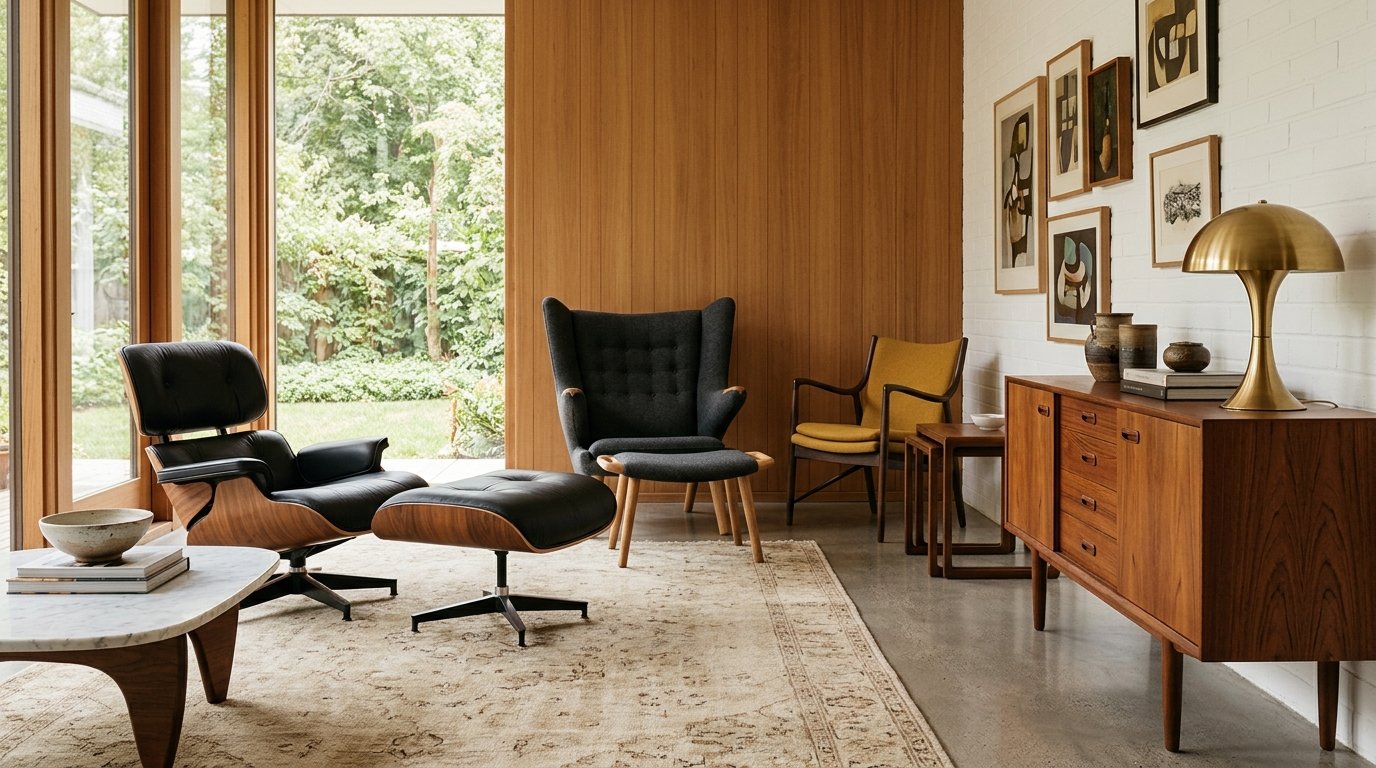
The allure of Mid-Century Modern (MCM) design is undeniable. It's a style that has captivated homeowners and designers for decades, offering a timeless blend of form and function. But with its surging popularity, how do you distinguish an authentic, high-quality piece of mid century modern furniture from a mere imitation? Understanding what to look for is key to making smart investments and creating a truly inspired space.
Mid-Century Modern refers to the design movement from roughly the mid-1940s to the late 1960s. Born from post-war optimism and a desire for functional yet beautiful living, MCM furniture emphasized clean lines, organic shapes, innovative materials, and a democratic approach to design. It's a style that seamlessly blends into contemporary homes, adding character, sophistication, and a touch of nostalgic charm.
At ryy.com, we believe that understanding design principles empowers you to create spaces you love. This comprehensive guide will equip you with the knowledge to identify, appreciate, and confidently select genuine mid-century modern furniture for your home.
The Hallmarks of Mid-Century Modern Design
Before you start your hunt, familiarize yourself with the core characteristics that define true MCM pieces. These are the visual cues and underlying philosophies that set the style apart.
Form Follows Function (and Beauty)
One of the most defining principles of MCM is that beauty should not compromise utility, and vice-versa. Expect furniture that is:
- Clean and Uncluttered: MCM designs often feature sleek, minimalist lines, rejecting ornate embellishments. The beauty comes from the inherent structure and materials.
- Organic and Sculptural Shapes: While some pieces are rectilinear, many embrace soft, sculptural curves and biomorphic forms, often inspired by nature. Think of a comfortable Saarinen Womb Chair or an Eames Lounge Chair's gentle recline.
- Integrated Design: Legs, arms, and tabletops often flow seamlessly, appearing as extensions of the main structure rather than added components.
Iconic Materials and Craftsmanship
MCM designers were pioneers in exploring new materials and celebrating the natural beauty of existing ones. What to look for:
- Teak, Walnut, and Rosewood: These rich, dark woods were mainstays, particularly in Danish Modern pieces. Look for solid construction, beautiful grain patterns, and quality finishes. Rosewood, especially, is highly prized but now protected, making vintage pieces even more valuable.
- Plywood and Molded Plastics: Innovators like Charles and Ray Eames revolutionized furniture production by molding plywood into ergonomic, comfortable shapes. Fiberglass and other plastics were also embraced for their versatility and durability, creating iconic chairs and tables.
- Metal: Chrome, steel, and aluminum were used extensively, especially for bases, legs, and frames. Think polished chrome on a Marcel Breuer Wassily Chair or the slender steel legs of a Florence Knoll sofa.
- Upholstery: Leather (often tufted), vinyl, wool, and durable textiles in both neutral and vibrant colors were common. Look for well-maintained upholstery or pieces that are good candidates for re-upholstering.
Bold Colors and Playful Patterns
While often associated with neutral wood tones, MCM wasn't afraid of color. Designers frequently used:
- Earthy Tones with Vibrant Pops: Expect a base of muted greens, teals, oranges, and browns, punctuated by bursts of mustard yellow, avocado green, burnt orange, or electric blue.
- Geometric and Abstract Patterns: Textiles and wallpapers often featured playful, sometimes abstract geometric patterns, adding visual interest without being overly fussy.
Distinctive Legs and Bases
The way an MCM piece meets the floor is often a tell-tale sign of its style:
- Tapered Legs: Slender legs that thin out towards the bottom, often angled outwards, are a classic MCM feature seen on everything from dressers to dining tables.
- Hairpin Legs: Delicate, bent metal rods forming a "hairpin" shape, adding an industrial yet elegant touch.
- Sled Bases: Continuous metal or wood bases that resemble sled runners, providing stability and a sleek profile, often seen on chairs and benches.
- Pedestal Bases: A single central column supporting a tabletop or chair seat, as famously seen in Eero Saarinen's Tulip series, minimizing visual clutter.
Spotting Authenticity: Beyond the Aesthetic
When searching for genuine mid-century modern furniture, it's not just about liking the look – it's about understanding provenance, quality, and condition.
Researching Iconic Designers and Manufacturers
The MCM era produced a pantheon of design legends whose pieces are highly sought after. Knowing their names and typical styles is crucial:
- Charles and Ray Eames: Known for their innovative use of molded plywood and fiberglass in chairs (Lounge Chair, Molded Plywood Chairs).
- George Nelson: Designed iconic clocks (Ball Clock), storage systems (Storage Wall), and seating (Marshmallow Sofa).
- Eero Saarinen: Famous for his organic, sculptural pieces like the Tulip Table and Womb Chair.
- Arne Jacobsen: Danish master behind the Egg Chair, Swan Chair, and Series 7 chair.
- Hans Wegner: Another Danish legend, celebrated for his elegant wooden chairs, like the Wishbone Chair.
- Florence Knoll: A pioneer in corporate interior design, known for her rectilinear, functional furniture.
- Herman Miller and Knoll: These American companies were instrumental in producing and distributing many of the most iconic MCM designs. Always check for maker's marks, labels, or stamps, which can significantly impact value.
Be aware that reproductions exist. While some are high-quality, they are not original and should be priced accordingly. An authentic piece by a renowned designer or manufacturer will often have a higher value due to its history and craftsmanship.
Quality and Craftsmanship: What to Inspect
An original MCM piece was built to last. When evaluating furniture:
- Wood Joinery: Look for sturdy joinery like dovetails, mortise and tenon, or dowel joints, which indicate quality construction, especially in dressers, cabinets, and tables. Avoid pieces held together mainly by nails or staples.
- Wood Condition: Check for deep scratches, veneer lifting, water damage, or significant repairs. Minor imperfections are common with age and can add character, but major structural damage might be costly to repair.
- Upholstery Integrity: Inspect fabric for tears, stains, fading, or excessive wear. Feel the cushions for firmness. While re-upholstering is an option, factor its cost into your budget.
- Stability: Gently rock chairs and tables to check for wobbles. Legs should be securely attached and not feel loose.
- Hardware: Original hardware (pulls, hinges) can indicate authenticity. Look for quality metal rather than flimsy replacements.
Understanding Different Eras and Styles Within MCM
MCM wasn't a monolith. Various sub-styles emerged, each with its nuances:
- Danish Modern: Characterized by elegant, often minimalist wooden furniture, primarily in teak and rosewood, focusing on natural materials and superb craftsmanship.
- American Modern: More experimental, often incorporating new materials like plastics and fiberglass, with a focus on mass production and ergonomic design.
- Space Age: Evolved in the 1960s, featuring futuristic, often spherical or capsule-like forms, and bright colors, reflecting the era's fascination with space exploration.
Integrating Mid-Century Modern Furniture into Your Home
Once you've identified pieces you love, the next step is to envision them in your space. This is where ryy.com can be an invaluable partner.
Mixing and Matching Styles
MCM furniture is incredibly versatile. Don't feel you need to furnish your entire home in a single style. It often looks best when:
- Paired with Contemporary: Clean lines of MCM complement modern minimalism beautifully.
- Blended with Bohemian: The organic shapes and warm woods can ground a free-spirited, textural boho aesthetic.
- Contrasted with Industrial: The sleekness of MCM can soften the raw edge of industrial design.
Scale and Proportion
MCM pieces, while often appearing light, still command presence. Consider:
- Room Size: Ensure a large sofa or credenza doesn't overwhelm a small room.
- Traffic Flow: Leave enough space for comfortable movement around furniture.
- Visual Weight: Balance heavier, solid wood pieces with lighter, open-legged designs.
The Power of a Statement Piece
Sometimes, all you need is one show-stopping piece of mid-century modern furniture to define a room. An iconic credenza, a beautifully restored lounge chair, or a distinctive dining table can act as a focal point, setting the tone for the entire space.
Practical Tips for Your Mid-Century Modern Furniture Hunt
- Define Your Budget: Authentic, designer pieces can be expensive. Decide what you're willing to spend.
- Start Small: If you're new to MCM, begin with an accent chair, a coffee table, or a lamp to get a feel for the style.
- Look for Versatility: Choose pieces that can serve multiple functions or easily adapt if you rearrange your space.
- Explore Diverse Sources: Check local vintage stores, antique malls, estate sales, online marketplaces (like 1stDibs, Chairish, Etsy Vintage, eBay), and specialized MCM dealers.
- Don't Fear Restoration: A piece with good bones but faded upholstery or a scratched finish can often be beautifully restored, sometimes at a lower overall cost than a perfect piece.
- Visualize Before You Buy: This is crucial! How will that vintage credenza truly look against your existing wall color? Will that iconic lounge chair fit your living room layout? Use ryy.com's free AI design tools to upload a photo of your room and virtually place prospective MCM furniture pieces. See your vision come to life before making a commitment.
Embrace the Timeless Appeal
Investing in mid century modern furniture is more than just furnishing a room; it's about bringing a piece of design history and enduring quality into your home. By understanding the hallmarks, knowing what to look for in terms of authenticity and craftsmanship, and daring to mix styles, you can create a space that is both sophisticated and uniquely yours.
Ready to see how a classic Eames Lounge Chair or a sleek Saarinen Tulip Table would look in your living room? Head over to ryy.com and use our free AI design tools! Upload a photo of your space, describe the mid-century modern furniture you're dreaming of, and watch our AI bring your vision to life instantly. Design your dream MCM space, effortlessly and for free.