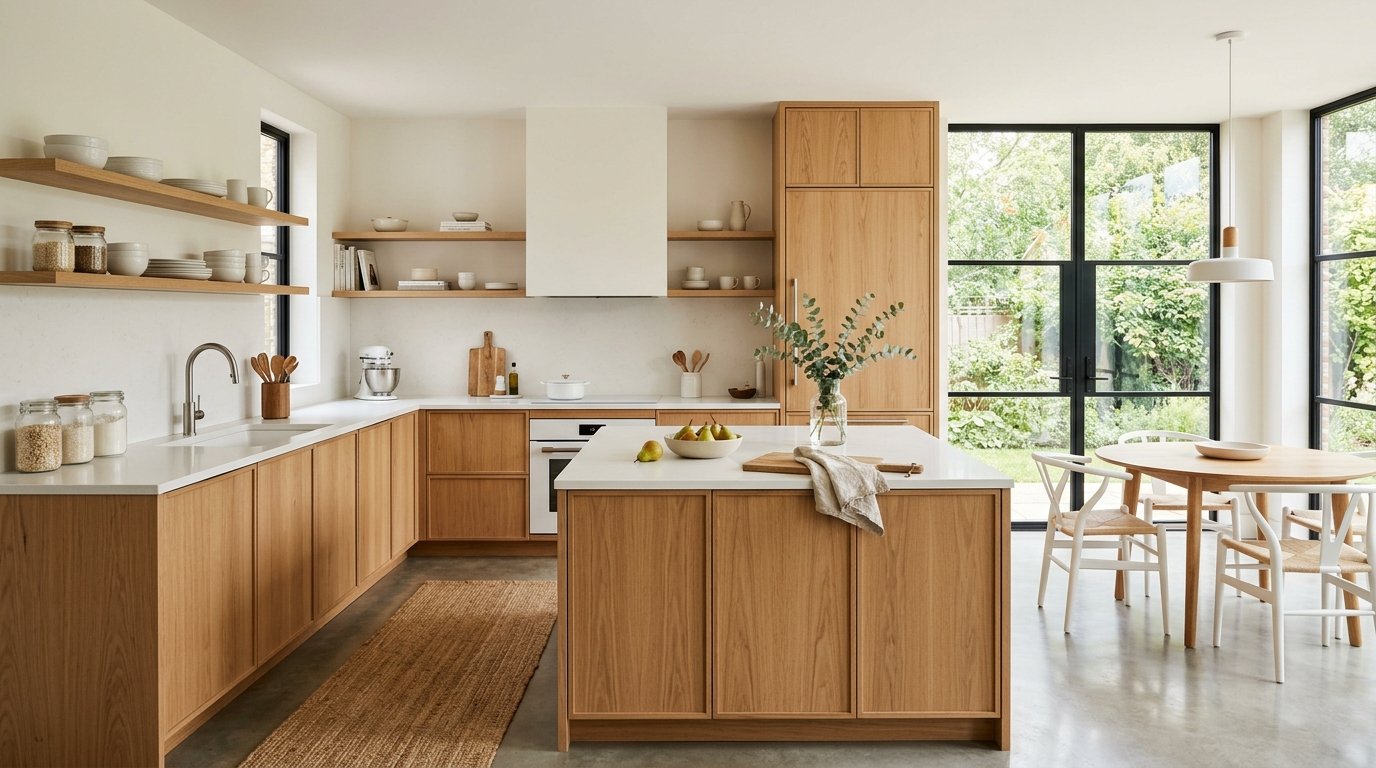
In the world of interior design, few aesthetics capture the essence of serenity, functionality, and timeless beauty quite like Scandinavian design. Originating from the Nordic countries of Denmark, Sweden, Norway, Finland, and Iceland, this style is renowned for its emphasis on simplicity, minimalism, and a deep connection to nature. When translated into the heart of the home, scandinavian kitchen design emerges as a beacon of understated elegance, characterized by its clean lines, abundant natural light, and the warmth of natural wood.
For homeowners and design enthusiasts alike, the appeal of a Scandinavian kitchen goes beyond mere aesthetics. It's about creating a highly functional, inviting space that promotes well-being and a sense of calm. Imagine a kitchen where every element serves a purpose, clutter is non-existent, and the materials themselves tell a story of natural beauty. This guide will delve into the core principles and signature elements that define this beloved style, helping you understand how to infuse your own home with its distinct charm.
The Enduring Appeal of Scandinavian Kitchen Design Principles
At its heart, Scandinavian design is a philosophy that values practical living and understated beauty. It arose from a climate with long, dark winters, inspiring designs that maximize light, reflect nature, and provide comfort. For the kitchen, these principles translate into a space that is not only beautiful but also incredibly efficient and pleasant to inhabit.
Embracing Minimalism and Functionality
The mantra "less is more" perfectly encapsulates the Scandinavian approach to design. In a Scandinavian kitchen, you won't find excessive ornamentation or unnecessary gadgets. Instead, every item is carefully selected for its purpose and aesthetic contribution. This focus on functionality means smart storage solutions are paramount, allowing for a clutter-free environment where cooking and entertaining become a joy rather than a chore. Surfaces are kept clear, and integrated appliances are often preferred to maintain a seamless, uncluttered look. The goal is to create a peaceful atmosphere, free from visual noise, where the eye can rest and the mind can relax.
The Power of Light and Neutral Colors
Maximizing natural light is a cornerstone of Scandinavian design. Given the northern climate's limited daylight hours, homes are designed to capture and amplify every ray of sun. This is achieved through large windows, open-plan layouts, and a predominantly light color palette. Walls, cabinetry, and countertops are typically rendered in shades of white, off-white, light grey, or pale pastels like sky blue or mint green. These neutral tones not only make spaces feel larger and more open but also reflect light beautifully, creating a bright and airy atmosphere. The absence of heavy drapes, often replaced by sheer curtains or nothing at all, further enhances the flow of natural light, connecting the interior with the outdoors.
Celebrating Natural Materials: Wood, Stone, and Textiles
A deep respect for nature is evident in the choice of materials. Natural elements are fundamental to creating the warmth and organic feel characteristic of Scandinavian interiors. Wood, in particular, plays a starring role, especially light-toned varieties such as birch, ash, pale oak, or pine. These woods are often left in their natural state or treated with a light finish to preserve their grain and color, bringing an earthy texture and warmth into the kitchen. Beyond wood, other natural materials like stone (marble, granite, quartz), concrete, and even glass are used for countertops, backsplashes, and fixtures. Textiles in natural fibers like cotton, linen, and wool add softness and an inviting touch, often in neutral hues or subtle patterns to complement the overall serene aesthetic.
Signature Elements: Clean Lines and Natural Wood in Detail
While the principles lay the philosophical groundwork, specific design elements bring the Scandinavian aesthetic to life. Two of the most defining characteristics are the emphasis on clean lines and the pervasive use of natural wood.
Cabinetry: Sleek, Handleless, and Streamlined
Scandinavian kitchen cabinetry is the epitome of minimalism. You'll find flat-panel doors and drawers, often without visible handles, contributing to a seamless and uncluttered appearance. Instead, cabinets might feature integrated pulls, routed finger pulls, or push-to-open mechanisms. The absence of ornate details or intricate moldings reinforces the clean, modern aesthetic. Materials are typically painted MDF or wood veneers, with white, light grey, or muted tones being the most common choices. When wood cabinetry is used, it’s usually light-colored, showcasing a simple, understated grain. This sleek design ensures that the cabinetry recedes, allowing other elements like natural light or thoughtfully chosen accents to stand out.
Flooring Choices: Light and Understated
The flooring in a Scandinavian kitchen contributes significantly to its airy feel. Light wood floors, often bleached or white-washed oak, birch, or pine, are a popular choice. These light floors enhance the brightness of the space and provide a continuous, expansive feel. Alternatively, polished concrete or light-colored large-format tiles can be used, offering durability and a minimalist, industrial touch that still aligns with the Scandinavian aesthetic. The goal is always to create a subtle base that supports the overall bright and natural theme without drawing excessive attention to itself.
The Warmth of Natural Wood Accents
While cabinetry might be sleek and sometimes painted, natural wood accents are crucial for injecting warmth and organic texture into the kitchen. These accents can take many forms:
- Open Shelving: A few strategically placed open shelves made from light wood can display curated items like ceramic dishes, cookbooks, or small plants, breaking up the monotony of closed cabinetry.
- Butcher Block Countertops: While light stone or quartz are common, a section of butcher block countertop can add a rustic, warm element, especially on an island or a specific prep area.
- Dining Furniture: A simple wooden dining table with minimalist chairs or stools, often made from beech, ash, or oak, anchors the dining area within an open-plan kitchen.
- Accessories: Cutting boards, wooden bowls, utensil holders, and even light fixtures with wooden elements can subtly introduce more natural warmth and texture. These elements help to ground the space and prevent it from feeling too stark or cold, balancing the clean lines and neutral palette.
Creating a Functional and Inviting Scandinavian Kitchen
Beyond the core aesthetic, a successful Scandinavian kitchen is highly functional and fosters a sense of 'hygge' – the Danish concept of coziness and comfortable conviviality that engenders a feeling of contentment or well-being.
Smart Storage Solutions
Achieving a minimalist look requires excellent organization. Scandinavian kitchens excel in smart storage. Think integrated appliances hidden behind seamless panels, deep drawers with custom organizers for cutlery and utensils, pull-out pantries, and clever corner solutions. Every item has its place, ensuring that countertops remain clear and the visual flow is uninterrupted. This commitment to hidden storage is key to maintaining the tranquil, uncluttered atmosphere that defines the style. Transparent containers, labeled jars, and neatly stacked dishes contribute to both order and aesthetic appeal.
Lighting Design: Functional and Atmospheric
While natural light is paramount, artificial lighting is also thoughtfully designed. Scandinavian kitchens employ layered lighting – ambient lighting for general illumination, task lighting over work surfaces (under-cabinet lights, pendants), and accent lighting to highlight features or create mood. Fixtures are typically minimalist and functional, often featuring simple geometric shapes, matte finishes, or natural materials like wood or metal. Pendant lights over an island or dining table can serve as a focal point, but they remain sleek and understated, never overwhelming the space. Dimmer switches are often used to adjust the ambiance, allowing for a bright, efficient workspace during the day and a cozy, inviting glow in the evening.
Integrating Hygge and Practicality
To avoid a clinical feel, Scandinavian kitchens are infused with elements of 'hygge'. This might include:
- Greenery: Simple potted plants, herbs on a windowsill, or a minimalist vase with fresh flowers bring life and a touch of nature indoors.
- Subtle Textiles: A woven rug in natural fibers, linen tea towels, or a cozy throw draped over a bench create softness and texture.
- Candles: The soft glow of candles adds instant warmth and comfort, embodying the essence of hygge.
- Thoughtful Artwork: A simple, abstract piece of art or a framed nature photograph can add personality without cluttering the space.
These small, carefully chosen details contribute to a kitchen that feels not just functional, but genuinely welcoming and lived-in, a true sanctuary in the home.
Tips for Designing Your Scandinavian Kitchen
Ready to bring the clean lines and natural warmth of Scandinavian design into your kitchen? Here are some actionable tips:
- Start with a Neutral Palette: Build your foundation with whites, light greys, and pale pastels on walls and major surfaces. This creates a bright, expansive canvas.
- Prioritize Natural Light: Maximize windows, keep treatments minimal, and consider an open-plan layout if possible to allow light to flood the space.
- Incorporate Light Natural Wood: Use light-toned woods like birch, ash, or pale oak for flooring, shelving, or accent pieces to add warmth and organic texture.
- Opt for Simple, Functional Cabinetry: Choose flat-panel, handleless designs in light colors or natural wood veneers. Focus on integrated appliances for a seamless look.
- Embrace Decluttering and Smart Storage: Invest in clever storage solutions to keep countertops clear. Every item should have a home.
- Add Greenery: Introduce potted plants, herbs, or fresh flowers to bring life and a connection to nature into the space.
- Choose Minimalist Lighting Fixtures: Select sleek, functional pendants, recessed lights, and task lighting that complement the clean aesthetic.
- Focus on Quality over Quantity: Invest in a few high-quality, well-designed pieces rather than many disposable items.
- Visualize with AI Design Tools: Not sure where to start? Use AI design platforms like ryy.com to visualize how different Scandinavian elements would look in your actual kitchen.
Design Your Dream Scandinavian Kitchen with ryy.com
The timeless appeal of scandinavian kitchen design lies in its elegant simplicity, profound functionality, and the warm embrace of natural materials. It’s a style that offers a peaceful retreat from the chaos of modern life, creating a space that feels both inviting and incredibly efficient. By combining clean lines, a bright palette, and the organic beauty of natural wood, you can cultivate a kitchen that embodies serenity and enduring style.
Ready to transform your kitchen into a Scandinavian masterpiece? You don't have to imagine it; you can see it! With ryy.com's free AI design tools, you can effortlessly visualize your dream kitchen. Simply upload a photo of your current kitchen, select "Scandinavian" as your desired style, and our AI will generate stunning design options tailored to your space. Experiment with different wood tones, cabinetry styles, and layouts to perfect your vision before making any commitments. It's the easiest way to bring your Scandinavian kitchen dreams to life.
Start Designing Your Scandinavian Kitchen with ryy.com for Free!