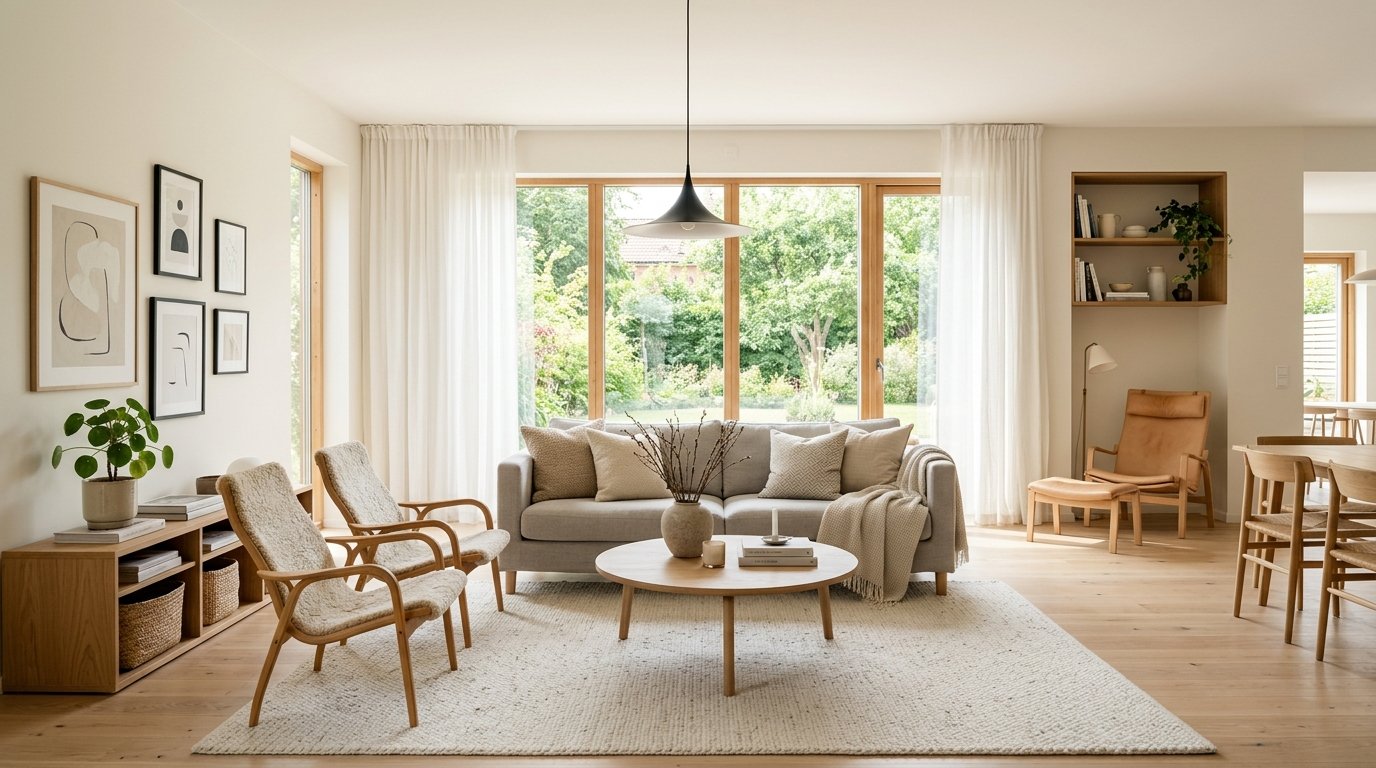
In the world of interior design, few styles evoke such a sense of calm, warmth, and understated elegance as Scandinavian design. Originating from the Nordic countries – Denmark, Sweden, Norway, Finland, and Iceland – this aesthetic is celebrated for its emphasis on functionality, simplicity, and a deep connection to nature. When applied to the heart of your home, a scandinavian living room becomes a sanctuary of light, air, and serene comfort.
The allure of Scandinavian design lies in its ability to create spaces that feel both minimalist and inviting, bright yet cozy. It’s a design philosophy born out of necessity in regions with long, dark winters, making the most of every ray of natural light and prioritizing a sense of well-being, often referred to as "hygge" in Danish culture. If you're dreaming of a living room that feels expansive, effortlessly stylish, and breathes tranquility, diving into Scandinavian principles is your perfect starting point. Let's explore how you can transform your space into a light and airy haven that embodies the best of Nordic living.
The Core Principles of Scandinavian Design
Before we delve into specific ideas, understanding the foundational elements of Scandinavian design is crucial. These principles guide every decision, from furniture selection to the smallest accessory, ensuring a cohesive and authentic look.
Minimalism and Functionality
At its heart, Scandinavian design champions the idea that less is more. Every item in a Scandinavian living room serves a purpose, contributing to the overall utility and beauty of the space. Clutter is the enemy, as it detracts from the sense of openness and calm. Furniture is often multi-functional, and storage solutions are cleverly integrated to keep surfaces clear and organized. This focus on functionality doesn't mean sacrificing aesthetics; rather, it means form follows function, resulting in clean lines and timeless designs.
Think about a coffee table with hidden storage, or shelving units that are both display pieces and practical organizers. Each element should contribute to a streamlined, efficient, and visually pleasing environment. This mindful approach to possessions not only makes a space feel larger and airier but also promotes a more peaceful living experience.
Embracing Natural Light
Given the long, dark winters in the Nordic countries, maximizing natural light is paramount. Scandinavian homes are designed to capture and amplify every available ray of sunshine. This translates into large windows, minimal window treatments (or light, sheer fabrics), and strategic placement of mirrors. The goal is to ensure light flows unobstructed throughout the living room, creating a bright and uplifting atmosphere. Dark corners are illuminated with thoughtful artificial lighting, mimicking natural light whenever possible.
Consider the orientation of your windows and how light enters your room throughout the day. Sheer linen curtains allow light to filter in softly, while roller blinds can be pulled up entirely to reveal the full window. Reflective surfaces, like glass tabletops or polished metal accents, also help bounce light around the room, enhancing the overall brightness.
Organic Materials and Textures
Scandinavian design celebrates the beauty of natural materials. Wood, in particular, is a cornerstone, often appearing in light tones like birch, ash, or pale oak for flooring, furniture, and accents. These natural materials bring warmth and an organic feel to the space, connecting the indoors with the natural world outside. Complementing wood are other organic textures such as wool, cotton, linen, leather, and even fur (ethically sourced, of course).
The interplay of these varied textures adds depth and interest to an otherwise simple palette, preventing the space from feeling sterile. A soft wool throw draped over a linen sofa, a jute rug underfoot, or a leather armchair – these elements contribute to the tactile richness and inviting comfort that define Scandinavian interiors.
Crafting Your Light & Airy Scandinavian Living Room
Now that we've covered the basics, let's dive into practical steps for designing your ideal scandinavian living room. From color schemes to furniture choices, every element plays a role in achieving that coveted light and airy feel.
The Power of a Neutral Color Palette
The foundation of any Scandinavian living room is a serene and understated color palette. Whites, grays, and soft beiges dominate, serving as a bright, clean canvas that maximizes light reflection and creates an illusion of spaciousness. These neutrals aren't just for walls; they extend to larger furniture pieces like sofas and rugs, forming a harmonious backdrop.
While neutrals are king, pops of color are introduced sparingly and thoughtfully. These might come in the form of muted pastels—soft blues, greens, or dusty pinks—or deeper, earthy tones like forest green or navy blue, inspired by nature. The key is to maintain a sense of calm and avoid overwhelming the eye with too many vibrant hues. Consider using a single accent color in various shades to create a sophisticated, layered look.
Furniture Choices: Form Meets Function
Scandinavian furniture is renowned for its sleek lines, sturdy construction, and ergonomic design. Opt for pieces that are lightweight in appearance, often featuring slender legs and a lack of bulky ornamentation. Sofas and armchairs should be comfortable yet maintain a streamlined profile. Materials typically include light-colored wood, upholstered fabrics in natural fibers (cotton, linen), and sometimes a touch of metal.
- Sofa: A simple, comfortable sofa in a neutral tone (light gray, cream, white) is central. Choose clean lines and avoid overly plush or ornate designs.
- Coffee Table: A minimalist coffee table, perhaps round or rectangular with thin legs, often in wood or glass, keeps the center of the room open.
- Shelving: Open shelving or wall-mounted units provide storage without blocking light, showcasing curated items rather than clutter.
- Chairs: Iconic Scandinavian chairs like the Wishbone chair, Egg chair, or simple wooden dining chairs can add character and extra seating.
Remember the principle of functionality: each piece of furniture should contribute meaningfully to the room's utility and aesthetic. Avoid oversized pieces that can make a room feel cramped.
Thoughtful Lighting Strategies
Beyond natural light, artificial lighting is crucial in a Scandinavian living room, especially during darker hours. Layered lighting is key to creating different moods and ensuring every corner is well-lit without feeling harsh. Think about combining overhead lighting with task lighting and ambient lighting.
- Pendant Lights: Often a statement piece, a minimalist pendant light can hang over a coffee table or in a corner, providing focused downlight.
- Floor Lamps: Tall, slender floor lamps with simple shades can illuminate reading nooks or provide ambient light.
- Table Lamps: Small table lamps on side tables or shelves add warmth and localized light.
- Candles: Incorporate candles, both functional and decorative, to enhance the "hygge" factor and create a soft, inviting glow.
Opt for warm-toned LED bulbs to replicate the cozy feel of natural light. Dimmers are also an excellent investment, allowing you to adjust the brightness to suit the time of day or your activity.
Bringing Warmth and Hygge into Your Space
While light and airiness are key, Scandinavian design is far from cold. It’s about creating a warm, inviting atmosphere – a concept epitomized by the Danish word "hygge."
Textiles: Cozy Comforts
Textiles are your secret weapon for adding warmth, texture, and subtle color without sacrificing the airy feel. Layering soft fabrics brings instant coziness. Think about:
- Throws: Luxurious wool, cashmere, or chunky knit throws draped over the sofa or an armchair invite snuggling.
- Pillows: A mix of throw pillows in various textures—linen, cotton, faux fur—but in a cohesive, neutral or subtly colored palette.
- Rugs: A large, soft rug (wool, jute, or faux sheepskin) defines the living area and adds warmth underfoot, especially over hard flooring.
These tactile elements encourage relaxation and make the space feel truly lived-in and comfortable.
Greenery: A Touch of Nature
Bringing the outdoors in is a hallmark of Scandinavian design. Indoor plants not only add a fresh burst of color but also contribute to a healthier indoor environment. Choose simple, elegant planters that complement your decor.
Consider:
- Fiddle Leaf Fig: A popular choice for its dramatic foliage and sculptural shape.
- Snake Plant or ZZ Plant: Low-maintenance options that add vertical interest.
- Monstera: Known for its distinctive leaves and ability to thrive indoors.
- Simple Vases: A single branch or a few fresh flowers in a minimalist vase can make a significant impact.
Greenery adds life and organic beauty, reinforcing the connection to nature that defines Nordic aesthetics.
Art and Accessories: Less is More
In a Scandinavian living room, accessories are carefully chosen and few. The goal is to highlight a few meaningful pieces rather than cluttering surfaces. Art often leans towards abstract, minimalist, or nature-inspired prints, often framed simply in light wood or black.
When selecting accessories:
- Candle Holders: Elegant, simple candle holders in ceramic, wood, or metal.
- Vases: Distinctive, sculptural vases even when empty.
- Books: Curated stacks of books, chosen for their covers as well as their content.
- Personal Items: A few cherished personal items, displayed thoughtfully.
Every accessory should have a story or a purpose, adding to the room's character without overwhelming its clean aesthetic.
Practical Tips for Your Scandinavian Living Room Transformation
Ready to bring these ideas to life? Here are some actionable tips to get you started:
- Declutter Ruthlessly: Start by removing anything that doesn't serve a purpose or bring you joy. A clean slate is essential.
- Maximize Natural Light: Keep window treatments minimal and light. Consider reflective surfaces.
- Embrace a Neutral Base: Paint walls in white, off-white, or light gray. Choose a large, light-colored rug.
- Incorporate Light Woods: Look for furniture and flooring in birch, ash, or pale oak.
- Layer Textures: Use throws, pillows, and rugs in wool, cotton, linen, and faux fur to add warmth.
- Add Greenery: Introduce a few well-chosen indoor plants in simple pots.
- Choose Functional Furniture: Select pieces with clean lines and practical uses; avoid overly ornate designs.
- Strategic Lighting: Combine overhead, task, and ambient lighting with warm-toned bulbs.
- Curate Accessories: Display only a few meaningful items and art pieces that resonate with the minimalist aesthetic.
- Create Zones: Use rugs or furniture arrangement to subtly define different areas within an open-plan living room.
Visualizing these changes can be challenging, but not with the right tools! Whether you're experimenting with different furniture layouts, exploring color palettes, or trying out various décor accents, ryy.com's free AI design tools can help you see your dream Scandinavian living room come to life instantly. Just upload a photo of your space, and let our AI generate stunning design options tailored to your preferences!
Conclusion
Creating a light and airy scandinavian living room is an investment in comfort, tranquility, and timeless style. By embracing principles of minimalism, functionality, natural light, and organic materials, you can craft a space that feels both expansive and incredibly inviting. It’s about creating an environment where you can truly relax, unwind, and appreciate the simple beauty of your surroundings.
Remember, the goal isn't to mimic a showroom, but to cultivate a personal sanctuary that reflects the calm and balanced spirit of Nordic design. Start small, be intentional with your choices, and most importantly, enjoy the process of transforming your living space into a haven of light and serenity. Ready to visualize your perfect Nordic retreat? Visit ryy.com today and bring your Scandinavian living room ideas to life with our innovative AI design platform!