In the vast world of interior design, trends come and go, but some styles possess an enduring appeal that transcends fleeting fads. One such style, gaining immense popularity for its balanced beauty and timeless charm, is transitional interior design. If you’ve ever admired a space that feels both current and comfortable, sophisticated yet inviting, chances are you’ve encountered the magic of transitional design.
For homeowners and design enthusiasts alike, the idea of blending classic elegance with modern simplicity can seem daunting. How do you achieve harmony without creating a chaotic clash? How do you ensure your space feels cohesive, not confused? This comprehensive guide will demystify transitional interior design, offering practical insights, real-world examples, and showing you how ryy.com's free AI design tools can help you effortlessly bring this sophisticated style into your home.
What is Transitional Interior Design? The Perfect Blend
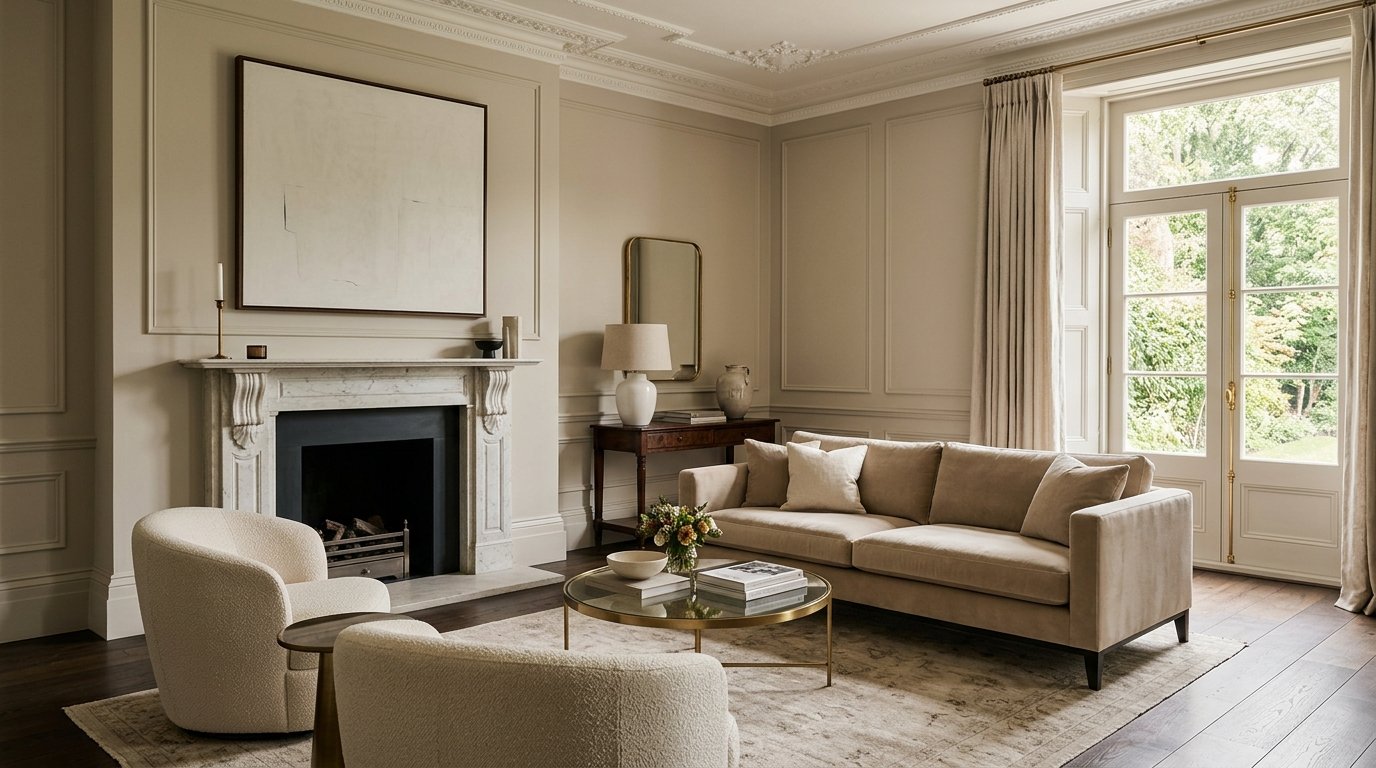
At its core, transitional interior design is the artful marriage of traditional and contemporary elements. It's about finding the sweet spot between ornate classicism and stark modernism, resulting in a look that is neither too formal nor too casual, neither dated nor overly avant-garde. Think of it as a bridge connecting two distinct design eras, creating a unified and highly livable aesthetic.
Unlike purely traditional styles that might feature heavy, detailed furniture and elaborate ornamentation, or purely modern styles defined by minimalist lines and industrial materials, transitional design cherry-picks the best from both worlds. The result is a sophisticated, clean, yet incredibly comfortable environment that feels fresh and current, while also being deeply rooted in timeless principles of design.
The Philosophy Behind the Blend
The philosophy of transitional design rests on balance and harmony. It’s about creating spaces that are aesthetically pleasing, highly functional, and supremely comfortable. It values clean lines and uncluttered spaces, but tempers them with the warmth and inviting textures often found in traditional settings. The goal is to create an atmosphere that feels intentionally curated, rather than adhering strictly to any single design rulebook. It's adaptable, making it a perfect choice for those who appreciate evolving tastes and desire a home that grows with them.
Key Elements of the Transitional Style
- Clean Lines with Soft Edges: Furniture often features simple, elegant silhouettes but with softer upholstery, gentle curves, or subtle decorative details.
- Neutral Color Palettes: A foundation of soothing neutrals (greys, beiges, creams, whites) allows for pops of color through accessories without overwhelming the space.
- Mixed Materials and Textures: A rich interplay of natural materials like wood, stone, and metal, combined with diverse textures from fabrics like linen, wool, and velvet.
- Understated Elegance: A focus on quality over quantity, with curated pieces that offer sophistication without being overly ornate.
- Functional Comfort: Prioritizing comfort and livability, ensuring spaces are as inviting as they are beautiful.
Crafting Your Transitional Sanctuary: Essential Elements
Achieving the transitional look requires a thoughtful approach to selecting and combining various design elements. Here’s a breakdown of how to integrate classic and modern styles into different aspects of your home.
Color Palettes: Serene and Sophisticated
The foundation of any successful transitional space is its color palette. Opt for a soothing, neutral backdrop that allows the architectural details, furniture, and art to shine without competition. Think warm grays, muted beiges, creamy off-whites, and soft taupes. These colors create a sense of calm and sophistication, while also providing a versatile canvas for introducing subtle pops of color through cushions, throws, or artwork. Deeper, muted tones like navy, charcoal, or sage green can be introduced as accent colors or for larger furniture pieces to add depth and anchor the space.
Furniture: The Best of Both Worlds
This is where the 'classic meets modern' really comes to life. Transitional furniture strikes a balance between traditional comfort and contemporary simplicity. Look for:
- Sofas and Armchairs: Clean-lined silhouettes with comfortable, generous proportions. Upholstery in neutral fabrics like linen, cotton, or a subtle textured blend. Avoid overly ornate carvings or frilly details.
- Tables: A mix of materials works well. A modern glass coffee table might pair beautifully with a classic wooden console, or a sleek metal side table beside a tufted armchair.
- Beds: Upholstered headboards (tufted or plain) are popular, offering comfort and a touch of luxury. Platform beds with clean lines also fit, especially when paired with more traditional bedding.
- Storage: Built-in shelving with simple details, or freestanding cabinets that feature both traditional craftsmanship and contemporary hardware.
The key is to select pieces that are timeless – not strictly adhering to one era but rather offering enduring style.
Materials and Textures: Layered Luxury
Transitional design thrives on a rich interplay of materials and textures, which adds warmth and visual interest without clutter. Combine:
- Natural Wood: Light or dark wood tones for flooring, furniture, or architectural details.
- Metals: Polished chrome, brushed nickel, oil-rubbed bronze, or even subtle brass accents for lighting, hardware, or decorative objects.
- Glass: For tabletops, shower enclosures, or decorative accents to add lightness and reflection.
- Fabrics: Layer natural fibers like linen, cotton, and wool with softer, more luxurious textures such as velvet, silk, or cashmere. Think plush rugs, soft throws, and comfortable upholstery.
This layering creates depth and a tactile experience that enhances the overall feeling of comfort and sophistication.
Lighting: Functional Art
Lighting in transitional spaces is both functional and decorative. It’s an opportunity to mix styles: a classic drum pendant over a contemporary dining table, or sleek, modern sconces flanking a traditional mirror. Recessed lighting provides ambient illumination, while statement chandeliers or elegant floor lamps add a touch of drama and reinforce the chosen aesthetic. Prioritize fixtures with clean lines and quality finishes that complement the overall material palette.
Accessories and Art: Thoughtful Curation
Transitional spaces lean towards curated simplicity rather than excessive ornamentation. Choose accessories that have personal meaning or offer a strong visual statement without being overwhelming. Think:
- Artwork: Abstract pieces can add a modern edge, while classic landscapes or portraits with modern framing can provide a nuanced touch.
- Mirrors: Both classic ornate frames and minimalist contemporary frames can work, depending on the wall it’s adorning and the balance of the room.
- Decorative Objects: A few well-chosen sculptural pieces, elegant vases, or a stack of design books. Avoid excessive trinkets.
- Plants: Greenery always adds life and a natural element, complementing the natural material palette.
Each accessory should feel intentionally placed, contributing to the room's serene yet sophisticated atmosphere.
Avoiding Pitfalls and Achieving Harmony
While transitional design is incredibly versatile, it's easy to veer off course. Here’s how to ensure your blended aesthetic achieves harmony, not hodgepodge.
Don't Over-Clutter
The beauty of transitional style lies in its clean, uncluttered aesthetic. Resist the urge to fill every surface or wall. Embrace negative space and allow individual pieces to breathe. Remember, sophistication often comes from restraint.
Ensure Cohesion, Not Chaos
While mixing styles is key, ensure there’s an overarching theme or common thread. This might be a consistent color palette, a repeated material (like a specific wood tone or metal finish), or a shared design philosophy (e.g., all pieces prioritizing comfort). Without this cohesion, your classic and modern elements might fight each other instead of complementing.
Personalize Thoughtfully
A purely transitional space can sometimes feel impersonal if not infused with personal touches. Integrate elements that tell your story – a cherished antique, a piece of travel art, or family photos. Just ensure they are framed and displayed in a way that aligns with the clean, elegant sensibility of the style. Avoid overwhelming a space with too many small, disparate personal items.
Bringing Your Transitional Vision to Life with ryy.com
The journey to creating your ideal transitional space, blending classic and modern elements, doesn’t have to be a guessing game. ryy.com is your ultimate partner in visualizing and refining your design dreams.
Visualize Your Ideas Instantly
Ever wondered if that sleek modern sofa would really work with your classic fireplace? Or if a minimalist coffee table could anchor a room with traditional artwork? With ryy.com, you can upload a photo of your existing room and, using our free AI tools, experiment with different furniture styles, color palettes, and layouts. See how a tufted ottoman looks next to a contemporary sectional, or how a classic chandelier interacts with modern pendant lights – all before making any purchases.
Experiment with Styles and Layouts
Our AI platform allows you to effortlessly toggle between design suggestions, helping you discover the perfect balance for your transitional space. Try out different wall colors, flooring options, and furniture arrangements. You can even generate multiple design variations of the same room, each leaning slightly more classic or modern, until you pinpoint the exact transitional sweet spot that resonates with you.
Get Expert-Level Inspiration
Whether you're starting from scratch or looking to refresh an existing room, ryy.com acts as your personal interior design assistant. It provides professional-quality renderings and suggestions, helping you confidently choose elements that will create a cohesive, beautiful, and authentic transitional interior design. It’s like having an expert designer guiding your choices, ensuring your classic and modern inspirations merge flawlessly.
Practical Tips for a Flawless Transitional Look
Ready to start designing? Here are some actionable tips:
- Start with a Neutral Base: Paint walls in warm grays, off-whites, or soft beiges. This provides a serene canvas.
- Mix Furniture Periods Deliberately: Pair a traditional Chesterfield sofa with a minimalist metal and glass coffee table, or an antique console with modern art above it.
- Layer Textures: Combine sleek metals with soft linens, rough-hewn wood with plush wool rugs. Texture adds depth and warmth.
- Use Oversized Art Sparingly: One large, impactful piece of art (abstract or traditional with a modern frame) can anchor a room better than many small ones.
- Focus on Comfort and Functionality: Transitional spaces are meant to be lived in. Choose comfortable seating and practical layouts.
- Declutter Ruthlessly: A clean, organized space allows the blended aesthetic to truly shine.
- Integrate Technology Seamlessly: Conceal wires and choose electronics that blend with the room's aesthetic.
- Utilize ryy.com: Experiment with different transitional elements and visualize your choices before committing. It's free and incredibly helpful!
Conclusion: Timeless Elegance with a Modern Edge
Transitional interior design offers the best of both worlds: the comforting familiarity of classic styles combined with the clean, fresh appeal of modern aesthetics. It's a versatile, elegant, and comfortable style that creates homes that feel enduring, sophisticated, and deeply personal. By focusing on balanced elements, thoughtful curation, and a serene color palette, you can create a space that transcends trends and truly feels like home.
Don't just dream about your perfect transitional home – visualize it! Visit ryy.com today and explore our free AI design tools. Upload a photo of your room and instantly generate stunning transitional interior design ideas. Discover how easy and fun it can be to blend classic elegance with modern simplicity to create the timeless sanctuary you've always wanted.