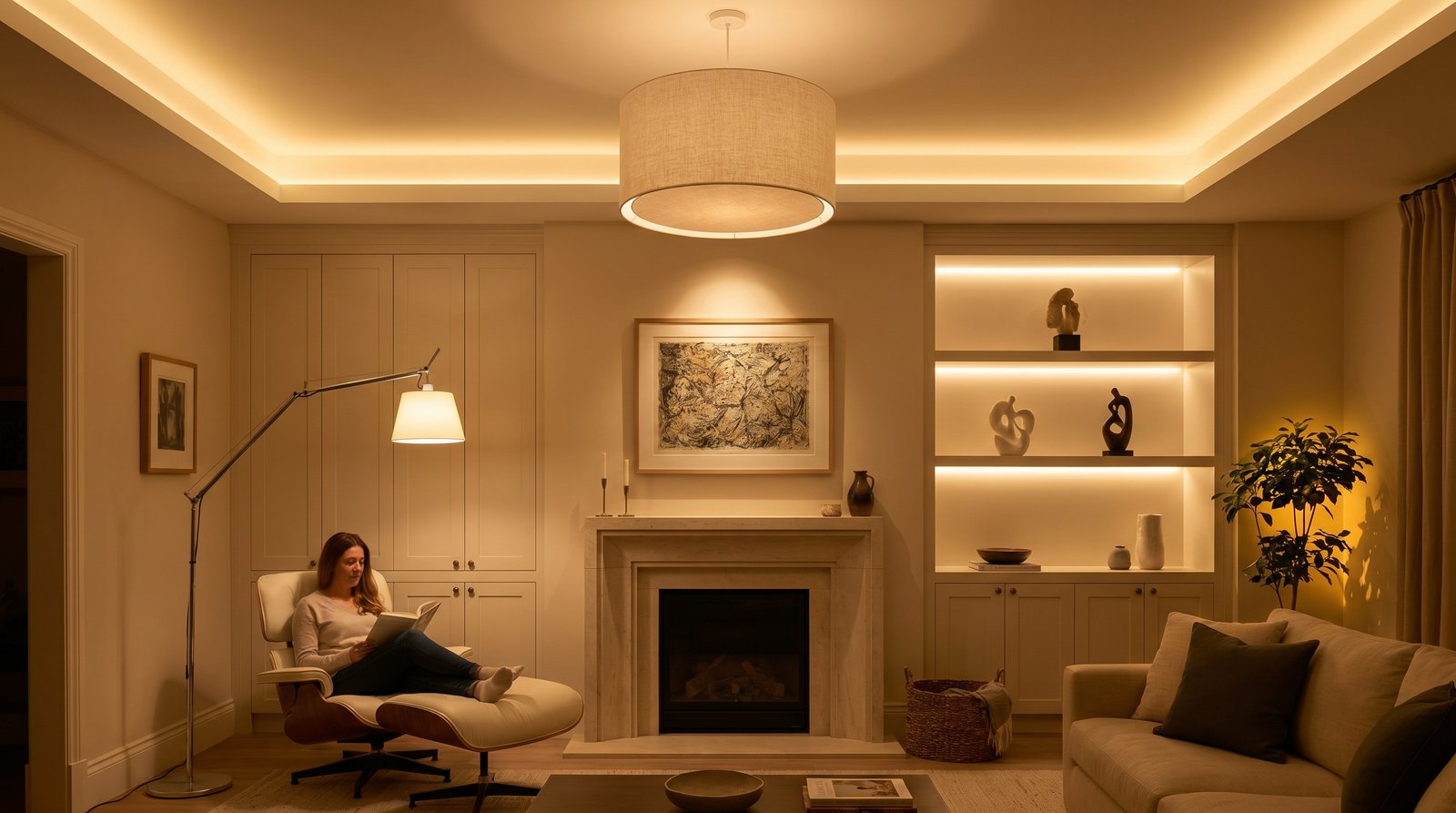
The living room is often the heart of the home – a place for relaxation, entertaining, and making memories. Yet, its true potential can be unlocked or diminished by one crucial element: lighting. Thoughtful living room lighting isn't just about functionality; it's about setting the mood, enhancing aesthetics, and creating a truly inviting atmosphere. A well-designed lighting scheme can make a small room feel expansive, a dark corner feel cozy, and a bland space feel vibrant. But where do you start with the seemingly complex world of interior lighting design?
At ryy.com, we believe that great design should be accessible to everyone. This comprehensive guide will illuminate the principles behind effective living room lighting, breaking down the complexities into actionable advice. From understanding the different layers of light to choosing the perfect fixtures and bulbs, we'll equip you with the knowledge to transform your living space. And remember, when you're ready to visualize your ideas, ryy.com's free AI design tools are here to help you experiment with different lighting setups and styles, all before you make a single purchase!
Understanding the Three Layers of Interior Lighting Design
Successful interior lighting design hinges on the concept of layering. Rather than relying on a single overhead light, a dynamic living room uses a combination of three distinct types of lighting: ambient, task, and accent. Each serves a unique purpose, and together they create a rich, multi-dimensional illumination that can adapt to any activity or mood.
Ambient Lighting: The Foundation
Ambient lighting is the foundational layer, providing general illumination that brightens the entire room. Think of it as your primary source of light, mimicking natural daylight. Without it, your living room would feel dark and unwelcoming. The goal of good ambient lighting is to create a comfortable, uniform glow that prevents harsh shadows and glare.
- Recessed Lighting: These fixtures are installed directly into the ceiling, offering a sleek, unobtrusive look. They provide widespread, even illumination and are excellent for modern aesthetics.
- Ceiling-Mounted Fixtures: Flush mounts or semi-flush mounts are versatile options, especially for rooms with lower ceilings. They distribute light broadly and come in countless decorative styles.
- Chandeliers and Large Pendants: While decorative, these fixtures can also serve as powerful sources of ambient light, particularly in larger living rooms or those with high ceilings. They often become a focal point of the room.
- Wall Sconces: Placed strategically, wall sconces can cast a soft, indirect light that bounces off walls, contributing to the overall ambient glow without being overly bright.
When planning your ambient lighting, consider the overall size of your room and the activities that will take place there. Dimmers are crucial for ambient lighting, allowing you to adjust the intensity and mood from bright and functional to soft and relaxed.
Task Lighting: Function Meets Form
As the name suggests, task lighting is specifically designed to illuminate particular areas where activities like reading, working, or hobbies occur. It's focused and brighter than ambient light, ensuring you have adequate illumination for specific tasks without straining your eyes. Good task lighting is essential for comfort and productivity.
- Floor Lamps: Often placed beside sofas or armchairs, floor lamps with adjustable heads or those that cast light downwards are perfect for reading. Arc lamps can reach over furniture, providing light exactly where needed.
- Table Lamps: Positioned on end tables or console tables, table lamps offer localized light for reading, writing, or simply adding a warm glow to a specific spot. Ensure the shade directs light where it's needed.
- Desk Lamps: If your living room includes a home office nook, a dedicated desk lamp is vital for computer work or paperwork, reducing eye fatigue.
When selecting task lighting, think about the angle and intensity of the light. You want to avoid glare on screens and ensure enough brightness for detailed work. The style of the lamp should also complement your living room's aesthetic.
Accent Lighting: Highlighting Your Style
Accent lighting is the artistic layer, designed to draw attention to specific features, artworks, architectural details, or collections within your living room. It adds drama, depth, and visual interest, transforming a functional space into a curated masterpiece. Accent lighting is typically three times brighter than the ambient light around the focal point.
- Picture Lights: Mounted above artwork, these fixtures provide focused illumination that highlights paintings, photographs, or wall hangings.
- Track Lighting: With adjustable heads, track lighting systems offer flexibility to direct light onto multiple points of interest.
- Recessed Spotlights: Small, directional recessed lights can be aimed at bookshelves, sculptures, or textured walls to create intriguing shadows and highlights.
- Wall Sconces: While sometimes contributing to ambient light, decorative wall sconces can also serve as accent pieces themselves, highlighting a particular wall or adding architectural interest.
- Cabinet Lighting: LED strips inside display cabinets can illuminate treasured collectibles or glassware, adding sparkle and depth.
Accent lighting is where your personality shines through. Use it to tell a story about your style and the things you love, adding a sophisticated touch to your interior lighting design.
Key Considerations for Your Living Room Lighting Plan
Before you start buying fixtures, it's essential to consider several practical factors that will influence your ultimate lighting choices. A holistic approach ensures your lighting is not only beautiful but also perfectly functional for your lifestyle.
Room Size and Layout
The dimensions of your living room dictate the scale and number of fixtures you'll need. A large, open-concept space will require more powerful or numerous ambient sources than a small, cozy den. Consider how light will flow through the space and if any areas will feel underlit or overlit. Taller ceilings might accommodate grander chandeliers, while lower ceilings benefit from flush-mounts and strategic floor lamps.
Natural Light Integration
Evaluate how much natural light your living room receives throughout the day. South-facing rooms often get abundant light, while north-facing rooms might be perpetually dimmer. Your artificial lighting should complement and enhance the natural light, not fight against it. Use sheer curtains to soften harsh daylight and strategically place mirrors to bounce light deeper into the room.
Dimmer Switches: The Power of Control
Dimmers are arguably the single most important tool in creating a versatile lighting scheme. They allow you to adjust the intensity of your lights, transforming the mood of your living room from bright and energetic for a family gathering to soft and intimate for a movie night. Install dimmers on all ambient and accent lighting circuits for maximum flexibility.
Color Temperature (Kelvin Scale)
The color temperature of your light bulbs, measured in Kelvins (K), profoundly affects the mood of a room.
- Warm White (2700K-3000K): Emits a soft, yellow-red glow, similar to incandescent bulbs. Ideal for creating a cozy, relaxing, and inviting atmosphere, perfect for a living room.
- Neutral White (3500K-4000K): A balanced white, good for task-oriented areas where you need clarity without harshness. Less common for general living room ambiance but can be used for specific task lighting.
- Cool White/Daylight (5000K-6500K): Mimics natural daylight, offering a crisp, bluish-white light. While energizing, it can feel stark and clinical in a living room, best reserved for bathrooms or home offices.
For most living rooms, stick to warm white (2700K-3000K) for ambient and accent lighting to maintain a welcoming feel. Task lighting can sometimes go slightly higher, up to 3500K, for better focus.
Smart Lighting Solutions
Modern technology offers incredible control over your living room lighting. Smart bulbs and fixtures can be controlled via apps, voice commands, or integrated into smart home systems. Many offer tunable white light (allowing you to adjust color temperature) and full RGB color changes. This provides unparalleled flexibility to create custom scenes and schedules, adapting your lighting to your mood or time of day with ease.
Designing Your Dream Living Room Lighting Scheme
Now that you understand the layers and considerations, let's put it all together to craft a harmonious living room lighting scheme that reflects your personal style and meets all your functional needs.
Crafting a Cohesive Look
While layering is about variety, cohesion in design is key. Consider the finishes, materials, and overall aesthetic of your chosen fixtures. Do they complement your existing decor? You don't need every lamp to match perfectly, but aim for a consistent style or palette. For example, if your living room has a minimalist vibe, sleek metallic fixtures might work better than ornate crystal chandeliers.
Practical Placements for Every Fixture
- Overhead Fixtures: If using a single chandelier or large pendant as ambient light, center it in the room or above a main seating area. For recessed lighting, space them evenly throughout the ceiling, ensuring no dark spots.
- Floor Lamps: Place them at the ends of sofas or next to armchairs, ensuring the light source is at shoulder height or above when seated to prevent glare.
- Table Lamps: Position them on end tables, console tables, or sideboards. The bottom of the lampshade should be roughly eye-level when seated to avoid light shining directly into your eyes.
- Wall Sconces: Mount them at eye level, typically around 60-66 inches from the floor, for general illumination or to flank a fireplace or piece of art.
- Accent Lights: Ensure spotlights are angled correctly to illuminate the desired object without creating harsh shadows on the ceiling or surrounding walls. Picture lights should be centered above artwork.
Incorporating Decorative Elements
Lighting fixtures themselves are design elements. A sculptural floor lamp can be a piece of art, and a unique pendant can define a zone. Don't be afraid to choose fixtures that are visually appealing even when turned off. Think about the shadows and patterns a fixture might cast; a lamp with an interesting shade can create beautiful light effects on your walls and ceiling.
Practical Tips for a Brilliantly Lit Living Room
Elevate your living room lighting further with these expert tips:
- Choose LED Bulbs: They are energy-efficient, long-lasting, and come in a vast range of color temperatures and brightness levels. Opt for "dimmable" LEDs if you plan to use dimmer switches.
- Avoid Glare: Position light sources so they don't shine directly into people's eyes, especially when seated. Use shades, diffusers, or indirect lighting to soften harsh light.
- Layer, Layer, Layer: This cannot be stressed enough. A mix of ambient, task, and accent lighting is the secret to a versatile and welcoming living room.
- Plan with Furniture First: Before deciding on exact light placements, finalize your furniture layout. This ensures your task and accent lighting serve their intended purpose effectively.
- Mix and Match Styles (Carefully): While cohesion is good, a subtle mix of fixture styles can add character. For instance, pair a modern floor lamp with a classic table lamp, ensuring a unifying element like material or color.
- Utilize Mirrors: Mirrors are fantastic for amplifying natural light and bouncing artificial light around a room, making it feel brighter and larger. Place them strategically opposite windows or near light sources.
- Consider Smart Plugs: For traditional lamps, smart plugs can turn any lamp into a smart light, allowing app or voice control, and even scheduling.
- Don't Forget the Details: Small additions like strip lighting under shelves or inside cabinets can make a huge difference in adding warmth and highlighting your possessions.
Transform Your Space with ryy.com
Mastering living room lighting can transform your home, creating a space that is both beautiful and functional. By understanding the three layers of light – ambient, task, and accent – and considering factors like room size, natural light, and color temperature, you can craft a lighting scheme that perfectly suits your lifestyle and aesthetic.
Feeling inspired but unsure how to visualize your ideas? This is where ryy.com shines! Our free AI design tools allow you to experiment with different lighting layouts, fixture styles, and even color temperatures in a virtual representation of your own living room. Upload a photo of your space, and let our AI help you explore countless possibilities, giving you the confidence to make informed decisions before you invest. Stop guessing and start designing!
Ready to see your living room in a whole new light? Visit ryy.com today and start designing for free!