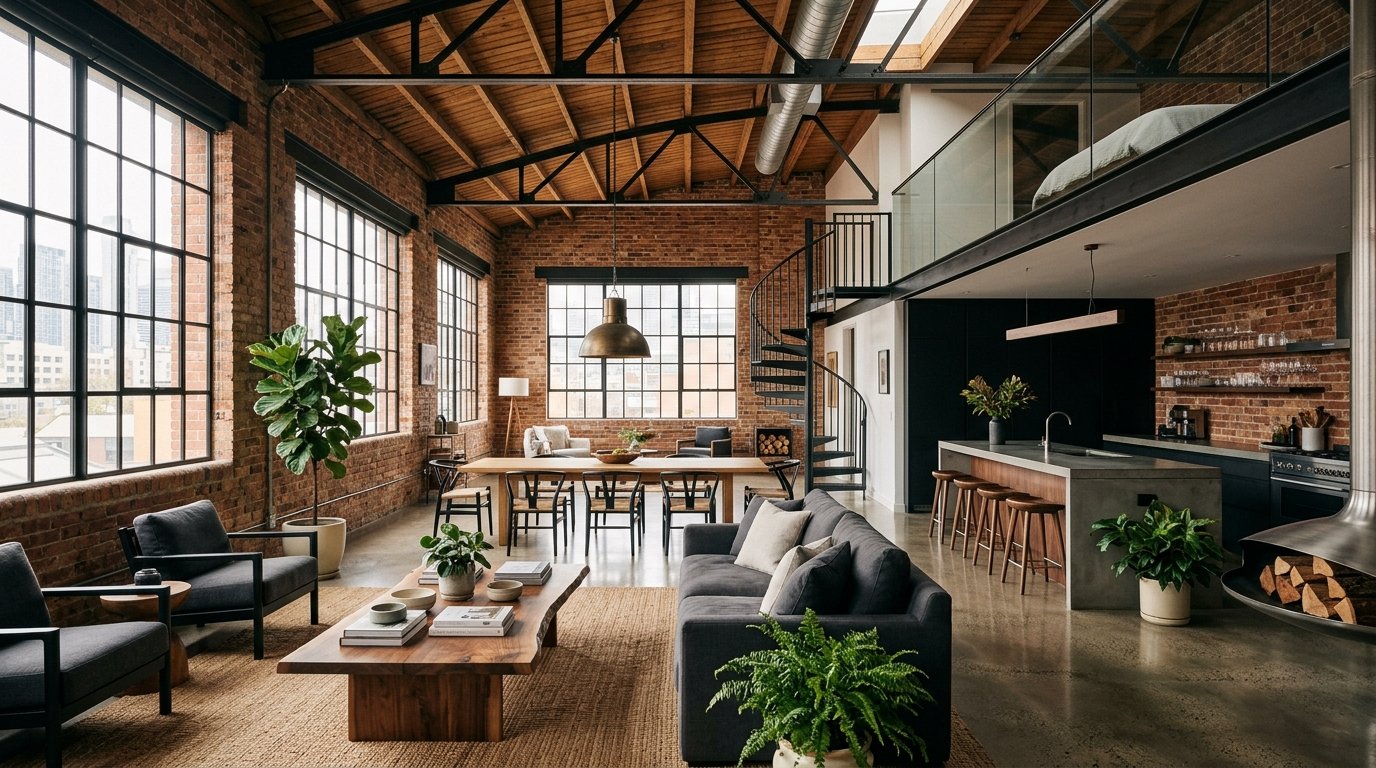
The allure of transforming a former industrial space into a breathtaking home is undeniable. Warehouse conversions offer a unique blend of historical character and modern living, providing vast canvases for creative expression. If you're dreaming of exposed brick, soaring ceilings, and an open-plan layout, then diving into the world of warehouse conversion interior design is your next exciting adventure.
At ryy.com, we understand the magic of seeing potential in raw spaces. That's why we've created AI design tools to help you visualize every step of your conversion journey, from initial layout ideas to final decor choices. This comprehensive guide will walk you through the essential elements, inspiration, and practical tips to create a truly spectacular industrial-chic home.
The Unique Appeal of Warehouse Conversion Interior Design
Warehouse conversions stand apart from traditional homes. They offer a distinct aesthetic and lifestyle that captivates homeowners and designers alike. The very essence of these spaces lies in their history and the industrial echoes that remain, providing a rich backdrop for contemporary living.
Embracing Industrial Heritage
One of the most compelling aspects of a warehouse conversion is the opportunity to preserve and celebrate its past. Think beyond mere renovation; this is about respectful transformation. Original features like exposed brick walls, timber beams, steel columns, and concrete floors aren't just remnants – they are the soul of the space. Integrating these elements into your design scheme instantly adds character, texture, and a narrative that modern builds simply cannot replicate. High ceilings and expansive windows, once designed for factory productivity, now flood living areas with natural light, creating a bright and airy atmosphere.
The Canvas of Open Space
Warehouse buildings inherently offer generous floor plans, often devoid of internal walls. This open-plan living concept is a cornerstone of modern design, promoting a sense of flow and connectivity. It provides an incredible amount of flexibility to create bespoke zones for living, dining, and working that perfectly suit your lifestyle. However, this vastness also presents a challenge: how do you define areas without building new walls? We'll explore clever strategies for zoning later, but for now, appreciate the freedom this expansive canvas provides.
Balancing Raw and Refined Aesthetics
The true art of warehouse conversion interior design lies in the delicate balance between the raw, rugged industrial elements and refined, comfortable modern living. A space that is too stark can feel cold and unwelcoming. The goal is to soften the edges, introduce warmth, and create an inviting atmosphere while still honoring the building's origins. This juxtaposition of textures – rough concrete against soft textiles, cold steel against warm wood – is what gives warehouse conversions their iconic industrial-chic appeal. Experiment with different textures and materials effortlessly with ryy.com's AI design tools; upload a photo of your space and see how various finishes transform it!
Mastering Light and Space in Industrial Lofts
The inherent grandeur of a warehouse conversion lies in its scale. Harnessing the abundant light and maximizing the generous space are paramount to creating a functional and beautiful home.
Harnessing Natural Light
Industrial buildings were often designed with large windows to maximize daylight for workers. For your home, these expansive windows are a blessing. They not only provide incredible natural light but also offer views, connect you with the urban environment, and contribute to a sense of openness. Consider adding skylights where possible, especially in deeper parts of the floor plan, to draw light down from above. Keep window treatments minimal or choose sheer fabrics to avoid obstructing the light flow, allowing it to penetrate every corner of your spacious home.
Strategic Lighting for Ambiance
While natural light is crucial during the day, thoughtful artificial lighting is essential for creating warmth and mood in the evenings. Given the high ceilings and large volumes, a layered lighting scheme is key:
- Ambient Lighting: Recessed spotlights, track lighting, or large pendant lights can provide general illumination. Track lighting, in particular, offers flexibility and an industrial aesthetic.
- Task Lighting: Floor lamps, table lamps, and under-cabinet lighting are necessary for specific activities like reading, cooking, or working.
- Accent Lighting: Use spotlights to highlight architectural features, artwork, or plants. This adds depth and visual interest.
Dimmers are a must-have to control the intensity and create different moods throughout your expansive space. Need help visualizing how different light fixtures would look in your warehouse? Our AI tools at ryy.com can generate realistic renderings, helping you choose the perfect lighting scheme.
Maximizing Verticality with Mezzanines
One of the most exciting opportunities in a warehouse conversion is utilizing its incredible ceiling height. Mezzanines are a fantastic way to add valuable square footage without compromising the open feel. They can serve as private bedrooms, home offices, cozy reading nooks, or even guest suites. When designing a mezzanine, consider the material (often steel, wood, or glass), the staircase design (industrial steel, floating treads), and how it integrates seamlessly into the overall aesthetic. This vertical layering adds dynamic interest and functionality to your home.
Smart Zoning and Layouts
With an open-plan layout, defining distinct functional areas without walls requires creative solutions. This is where clever zoning comes into play:
- Furniture Placement: Arrange large furniture pieces like sofas, shelving units, or consoles to delineate living, dining, or sleeping areas.
- Rugs: Area rugs are powerful tools for grounding a space and visually separating zones. Choose large rugs that comfortably fit all furniture within a designated area.
- Screens and Partitions: Consider movable screens, tall plants, open shelving units, or even glass partitions to provide a sense of separation without completely blocking light or views.
- Level Changes: A slightly raised platform can subtly define a bedroom or study area within a larger space.
Materiality, Texture, and Color Palettes for Warehouse Spaces
The choice of materials, textures, and colors plays a crucial role in establishing the character and comfort of your warehouse conversion.
Core Industrial Materials
Embrace the raw beauty of industrial materials. Concrete floors (polished or epoxy-coated) are durable and reflect light beautifully. Steel elements, whether structural beams, staircases, or furniture frames, reinforce the industrial aesthetic. Wood, especially reclaimed timber or chunky solid pieces, introduces warmth and an organic touch. Glass, used in partitions, balustrades, or large windows, maintains openness while providing separation. These materials form the backbone of your design.
Infusing Warmth and Texture
To prevent your industrial space from feeling cold, it's essential to introduce warmth and softness through textiles and textures. Layer in plush rugs (think Persian, Beni Ourain, or sisal), velvet or linen upholstery on sofas, chunky knit throws, and an abundance of cushions. Drapes, even if sheer, add softness. Natural materials like wool, cotton, and leather contribute to a comfortable, inviting atmosphere. Incorporate live plants – large, architectural varieties like a Fiddle Leaf Fig or Monstera can thrive in bright, open spaces and add vital greenery and life.
Color Schemes for Lofts
A typical warehouse conversion interior often starts with a neutral base, allowing the industrial elements to shine. Think variations of white, grey, and black. However, this doesn't mean your space has to be devoid of color. Introduce splashes of vibrant hues through:
- Artwork: Large-scale pieces can become focal points.
- Furniture: A brightly upholstered armchair or a colorful rug.
- Accent Walls: While less common in open-plan spaces, a thoughtfully placed accent wall in a rich jewel tone or deep earthy hue can define a zone.
- Plants: The natural green of foliage adds a refreshing pop of color.
Consider a bold industrial palette with deep blues, forest greens, or even a touch of rust or ochre to complement the raw materials. Unsure which colors will work best? ryy.com's AI room designer can help you test various color palettes and material combinations on your own space instantly!
Furniture & Decor: Curating Your Urban Sanctuary
Furnishing a warehouse conversion requires a thoughtful approach to scale, style, and personal expression.
Scale and Proportion
Given the generous dimensions of a warehouse space, standard furniture pieces can often feel lost. Opt for larger, more substantial furniture that is proportionate to the room. Oversized sofas, large dining tables, and tall bookshelves will feel right at home. However, avoid overcrowding; embrace negative space to maintain the feeling of openness.
Blending Styles
The beauty of a warehouse conversion is its versatility. It provides a neutral, yet characterful, backdrop that allows for a harmonious blend of styles. Mid-century modern pieces often pair beautifully with the industrial aesthetic, offering clean lines and functional design. Contemporary furniture can provide sleek sophistication, while vintage or reclaimed items (like an old factory cart or a distressed wooden cabinet) can reinforce the industrial narrative and add unique charm. Don't be afraid to mix and match; an eclectic approach often yields the most interesting results.
Art, Greenery, and Personal Touches
Once the larger elements are in place, it's time to infuse personality. Large-scale art, whether paintings, photography, or sculptural pieces, can fill expansive walls and become powerful focal points. Greenery, as mentioned earlier, softens the industrial edges and adds life. Consider oversized planters or hanging plants. Finally, personal touches – books, collected objects, family photos, unique lighting fixtures – are what truly make a house a home. These details tell your story and create an urban sanctuary that reflects you.
Practical Tips for Your Warehouse Conversion Project
Embarking on a warehouse conversion is a significant undertaking. Here are some practical tips to guide you:
- Consult Professionals Early: Engage architects, structural engineers, and experienced builders who specialize in conversions. Their expertise is invaluable for navigating structural challenges, planning regulations, and ensuring the safety and integrity of the building.
- Prioritize Insulation and Acoustics: Old industrial buildings can be prone to heat loss and noise issues. Invest in high-quality insulation for walls, roofs, and windows. Acoustic panels or strategically placed soft furnishings can help absorb sound in large, open spaces.
- Plan Lighting and Electrical Systems Meticulously: Given the scale and complexity, a detailed electrical plan is crucial. Consider smart home technology for convenience.
- Mind Heating and Cooling: Large, open spaces with high ceilings can be challenging to heat and cool efficiently. Explore underfloor heating, zoned HVAC systems, or even large ceiling fans for air circulation.
- Budget Realistically: Conversions can uncover hidden costs. Have a contingency fund for unexpected issues that might arise during the renovation process.
- Use ryy.com for Visualization: Before making costly decisions, upload photos of your space to ryy.com. Experiment with different furniture layouts, color schemes, material choices, and decor styles using our free AI design tools. See your vision come to life before you lift a hammer!
- Don't Rush: A successful warehouse conversion is a journey. Take your time, enjoy the process, and let the space evolve.
Ready to Design Your Dream Industrial-Chic Home?
A warehouse conversion offers an unparalleled opportunity to create a truly unique and expressive home. By thoughtfully blending industrial heritage with modern comfort, embracing open space, and paying attention to detail, you can transform a former factory or storage facility into an urban masterpiece.
Whether you're just starting to dream or you're deep into the planning process, the possibilities for your warehouse conversion interior are endless. Let ryy.com be your creative partner. Our free AI design tools empower you to explore countless design ideas, experiment with layouts, and visualize your perfect industrial-chic home with ease. Visit ryy.com today and start designing your future!