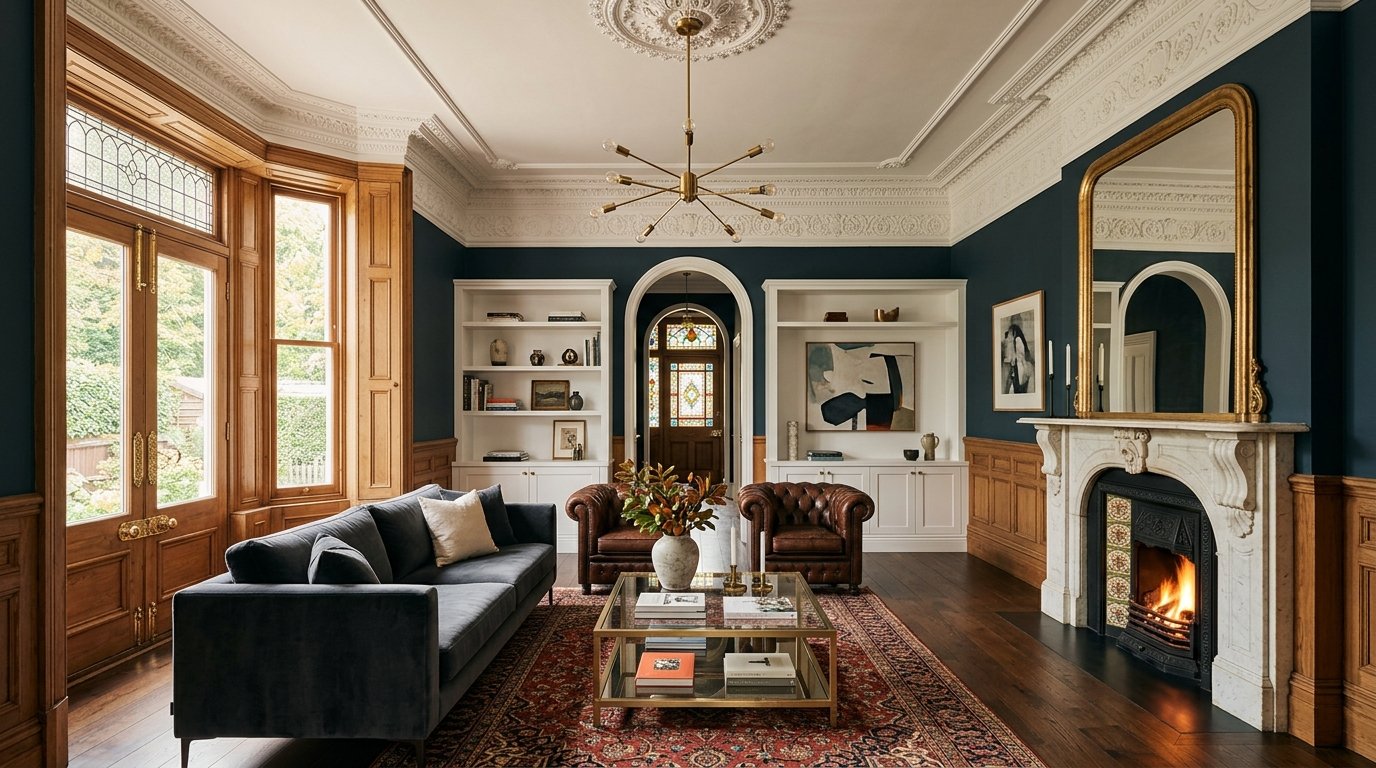
Step into a world of grandeur, intricate details, and timeless elegance – welcome to the realm of victorian interior design. Far from being a relic of the past, this opulent style is experiencing a magnificent resurgence, captivating homeowners and design enthusiasts alike. Its rich textures, deep colors, and elaborate ornamentation offer a compelling contrast to today's minimalist trends, providing a sense of history, character, and unparalleled warmth.
But how do you bring the lavishness of the Victorian era into a contemporary living space without making it feel like a museum? The secret lies in a thoughtful, curated approach. It's about selectively incorporating key period features and design principles, blending them seamlessly with modern comfort and functionality. If you've ever admired the intricate moldings of a historic brownstone or the plush textiles of a grand manor, this guide is for you. We'll explore the defining characteristics of Victorian design and provide practical advice on how to infuse your modern home with its enduring charm.
The Allure of Victorian Interior Design in the 21st Century
The Victorian era, spanning Queen Victoria’s reign from 1837 to 1901, was a time of immense social and technological change, deeply influencing art, architecture, and interior design. It celebrated decorative excess, craftsmanship, and a desire to display wealth and status. Today, its appeal lies in its ability to create spaces that feel lived-in, layered, and deeply personal – a stark contrast to the often sterile, open-plan layouts of modern homes.
A Rich Tapestry of History and Detail
Victorian homes were designed to be showcases of their owners' prosperity and good taste. This translated into interiors adorned with a wealth of detail: elaborate wallpaper, heavy draperies, ornate furniture, and an abundance of decorative objects. Every surface was considered an opportunity for embellishment. This maximalist approach, while daunting to some, offers an incredible canvas for personalization, allowing for the display of collections, art, and cherished heirlooms.
Blending Old-World Charm with Modern Comforts
The challenge and joy of incorporating Victorian design today is in harmonizing its historical richness with contemporary living. Modern homes demand functionality, light, and a sense of openness that traditional Victorian layouts often lacked. The goal isn't to recreate a rigid period room, but to cherry-pick elements that resonate with your personal style, integrating them to create a unique, character-filled space that still feels fresh and comfortable.
Essential Victorian Architectural & Decorative Features
To successfully infuse your modern home with Victorian charm, it's crucial to understand the foundational elements that defined the era. These features are the building blocks of the style, offering distinct ways to add period authenticity.
Elaborate Millwork and Trim
Perhaps the most defining feature of Victorian homes is the intricate millwork. Think grand crown moldings, deep baseboards, decorative chair rails, and wainscoting. These details add depth, texture, and a sense of architectural history to even the most builder-grade rooms. For a modern home, you don't need to replicate every detail. Even adding substantial crown molding and thicker baseboards can dramatically elevate a space. Consider a dado rail or a simple paneling effect to add a touch of period elegance to your walls without overwhelming them.
Fireplaces as Focal Points
In Victorian times, the fireplace was the heart of the home, a central gathering point that was often lavishly decorated. Ornate marble or carved wooden mantels, often flanked by decorative tiles, were standard. To bring this into a modern home, focus on the mantelpiece. Even if you have a contemporary fireplace insert, a grand, antique-style mantel can instantly evoke Victorian grandeur. If a working fireplace isn't feasible, consider an electric insert or simply a decorative mantelpiece adorned with period-appropriate art and objects.
Stained Glass and Bay Windows
Victorian homes are renowned for their beautiful windows. Bay windows, often adorned with leaded or stained glass, were common, allowing light to flood in while adding intricate visual interest. While installing a full bay window might be a significant renovation, you can introduce the spirit of stained glass with transom window film, decorative panels, or even a framed stained-glass piece hung in front of a window. These elements add color, privacy, and a distinctive period touch.
Rich Color Palettes & Wallpaper
Forget the muted tones of minimalism; Victorian interiors embraced deep, saturated colors. Think emerald green, ruby red, sapphire blue, and mustard yellow, often combined with earthy browns and creams. These colors were frequently used in conjunction with elaborate wallpaper patterns – damasks, florals, flock designs, and oriental motifs. For a modern twist, choose one or two rich colors as accents, perhaps on an accent wall or through soft furnishings. Don't be afraid to experiment with a subtle, textured wallpaper in a powder room or on a feature wall to add depth and historical character.
Ornate Lighting Fixtures
Before widespread electricity, gasoliers and lamps were essential. Victorian lighting fixtures were often grand and highly decorative, featuring brass, bronze, crystal, and intricate glass shades. Chandeliers, wall sconces, and table lamps with fringed or Tiffany-style shades are perfect examples. Integrating these into a modern home can be as simple as swapping out a contemporary fixture for an antique-style chandelier in the dining room or adding a pair of ornate sconces in a hallway. Ensure that any period-style lighting is updated to modern electrical standards for safety and efficiency.
Furnishing and Decorating Your Modern Victorian Space
Once the architectural foundation is set, the next layer is furniture and decor. This is where you truly bring the personality of Victorian design to life.
Curated Antiques and Vintage Finds
Victorian furniture is characterized by its heavy, dark wood (mahogany, walnut, rosewood), intricate carvings, and often tufted upholstery. Rather than furnishing an entire room with period pieces, which can feel dated or overly formal, select a few key statement items. A magnificent carved armoire, a velvet Chesterfield sofa, a delicate side table, or a grand display cabinet can instantly anchor a space in the Victorian aesthetic. Mix these with modern, simpler pieces to create balance and prevent the room from feeling too heavy. Flea markets, antique shops, and online marketplaces are treasure troves for these finds.
Plush Textiles and Layered Fabrics
The Victorian era was synonymous with luxury, and textiles played a huge role. Think rich velvets, damasks, brocades, and silks in deep, jewel tones. Layering was key – heavy draperies often included multiple layers of fabric, valances, and tie-backs. Introduce these elements through upholstered furniture, throw pillows, blankets, and window treatments. Even modern curtains in a velvet or patterned fabric can evoke a Victorian feel without the full period drama. Remember that pattern mixing was also common, but for a modern twist, choose a dominant pattern and complement it with simpler textures.
Art, Mirrors, and Personal Collections
Victorian homes were filled with art – portraits, landscapes, and elaborate frames. Gallery walls, often floor-to-ceiling, were popular. Large, ornate mirrors, particularly gold-leafed ones, were also prevalent, reflecting light and making rooms feel larger. Incorporate these by creating a curated gallery wall featuring a mix of vintage prints, modern art, and personal photographs in varied frames. A large, decorative mirror above a mantelpiece or console table is another excellent way to add Victorian grandeur. Display personal collections – books, ceramics, curiosities – in glass-fronted cabinets or on open shelving to create a sense of lived-in history.
Plants and Greenery
The Victorians had a deep fascination with botany, driven by new discoveries from around the world. Houseplants, especially ferns, palms, and exotic flowering plants, were hugely popular and often displayed in ornate planters, conservatories, or wardian cases. Bring this element into your modern Victorian home by incorporating a variety of houseplants. Place larger plants in decorative ceramic or metal planters, and group smaller plants on shelves or side tables to add life, color, and a natural touch that softens the opulence.
Practical Tips for Integrating Victorian Elements into Modern Homes
Ready to start your Victorian-inspired transformation? Here are some actionable tips to help you blend the old with the new seamlessly:
- Start Small: A Few Key Pieces. Don't try to overhaul everything at once. Begin with one or two significant Victorian elements – an ornate mirror, a velvet armchair, or a new set of rich drapes. See how they feel in your space before adding more.
- Embrace a Modern-Victorian Color Scheme. Instead of strict historical palettes, pick one or two deep Victorian colors (like a forest green or a deep teal) and pair them with lighter, more contemporary neutrals (such as warm grays or creamy whites) to keep the space feeling fresh and airy.
- Mix and Match Eras. The most successful modern Victorian interiors combine contemporary furniture with period accents. A sleek, modern sofa can look stunning with Victorian-style throw pillows and an antique side table. This juxtaposition creates visual interest and avoids a museum-like feel.
- Optimize Lighting. While ornate fixtures are great, ensure your space has ample functional lighting. Combine period chandeliers with modern recessed lighting or floor lamps to ensure practicality and brightness, especially in darker Victorian-inspired rooms.
- Layer Textures and Patterns Thoughtfully. The Victorians loved layers. Apply this by combining different fabrics (velvet, silk, linen), patterns (florals, geometrics), and finishes (polished wood, brushed metal) to create depth without making the room feel cluttered.
- Curate Your Collections. Victorian design celebrated personal collections. Display your cherished books, art, and trinkets, but do so purposefully. Use display cabinets, open shelving, and gallery walls to showcase items in an organized and aesthetically pleasing way.
- Use AI to Visualize Your Victorian Vision. Unsure how a specific Victorian wallpaper or a grand fireplace mantel would look in your living room? Head over to ryy.com. Our free AI interior design tool allows you to upload a photo of your room and experiment with different Victorian styles, colors, and furnishings. See your ideas come to life before making any commitments! It's the perfect way to confidently plan your unique modern Victorian space.
Conclusion: Your Modern Victorian Sanctuary Awaits
Integrating victorian interior design elements into a modern home is an art form – a balance of honoring history while embracing contemporary living. It's about creating spaces that are rich in character, tell a story, and provide a sense of comfort and elegance. By thoughtfully selecting architectural details, luxurious furnishings, and decorative accents, you can transform your home into a unique sanctuary that beautifully blends the grandeur of the past with the functionality of the present.
Don't let the complexity of historical design intimidate you. With tools like ryy.com, visualizing your dream Victorian-inspired space has never been easier. Experiment with opulent colors, intricate patterns, and grand furniture to see what truly resonates with your style. Start your design journey today and unlock the timeless beauty of Victorian elegance in your modern home – for free!