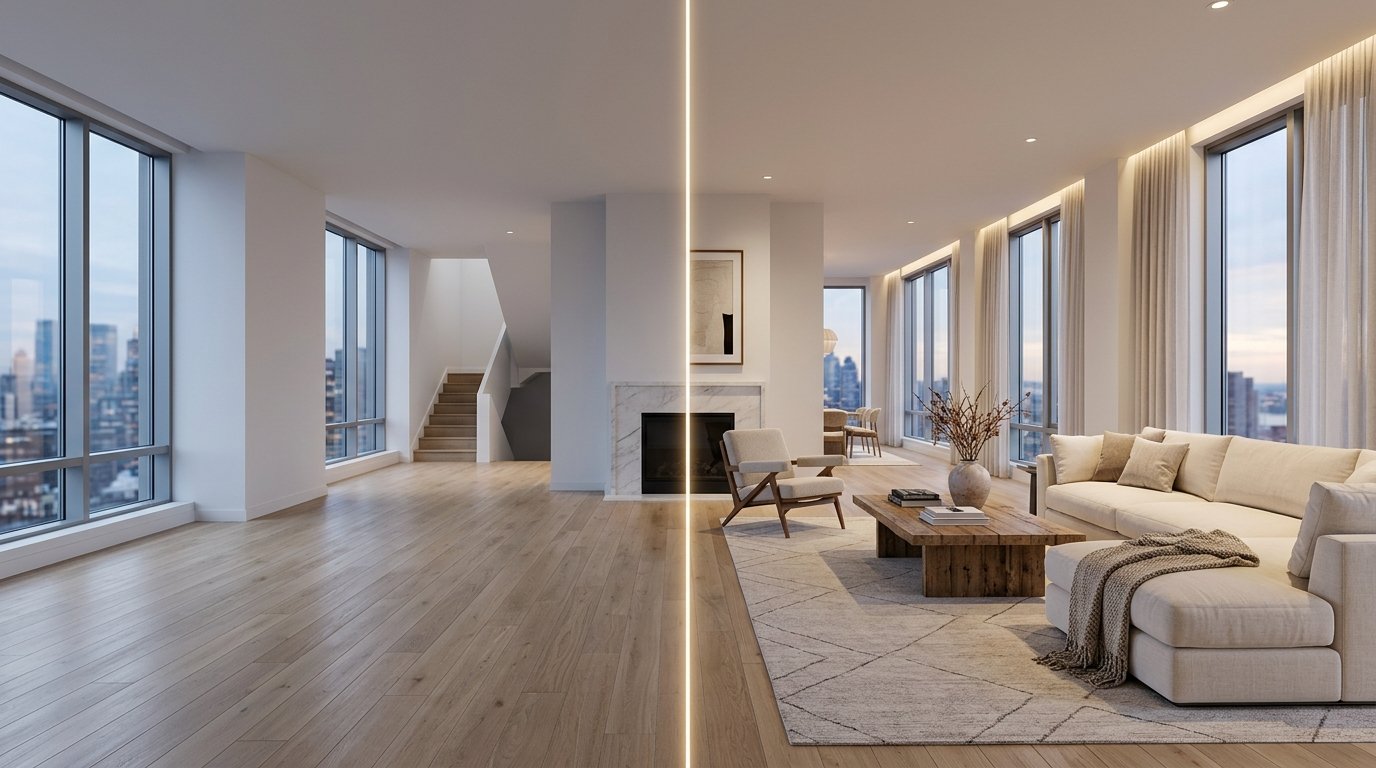
Imagine walking into an empty room. Bare walls, echoing silence, and the overwhelming feeling of a blank canvas. Now, imagine seeing that same room, seconds later, beautifully furnished, styled, and ready to be lived in. This isn't magic; it's the incredible power of virtual staging AI. In today's fast-paced digital world, AI-powered tools are revolutionizing how we visualize and interact with spaces, making it easier than ever for homeowners, sellers, and design enthusiasts to bring empty rooms to life. At ryy.com, we're at the forefront of this innovation, empowering you to unlock your home's full potential with just a few clicks.
For decades, traditional home staging involved significant time, money, and effort, moving physical furniture in and out of properties. While effective, it was a costly and logistical headache. Enter virtual staging AI – a groundbreaking solution that uses artificial intelligence to digitally furnish and decorate empty spaces, creating stunning, lifelike images that captivate and inspire. Whether you're selling a home, planning a renovation, or simply dreaming of a new look, understanding virtual staging AI can be a game-changer.
The Magic Behind Virtual Staging AI: How It Works
At its core, virtual staging AI leverages sophisticated algorithms and machine learning to analyze an uploaded image of an empty room. It then intelligently places virtual furniture, decor, and accessories into the space, matching perspective, lighting, and scale to create a cohesive and realistic final render. It's a complex process made incredibly simple for the user.
From Empty Canvas to Lived-In Dream
The journey begins with a high-quality photograph of your empty room. This image acts as the foundation. The AI then steps in, recognizing key elements like walls, floors, windows, and the overall dimensions of the space. It understands depth and perspective, crucial for placing virtual objects convincingly. Without these advanced AI capabilities, the process would be manual and far less efficient, requiring a human designer to painstakingly position each item.
The Power of Algorithms and Image Recognition
Modern virtual staging AI platforms, like the tools you'll find at ryy.com, are trained on vast datasets of interior design styles, furniture pieces, and room layouts. This training allows the AI to make intelligent suggestions, identifying the best placement for a sofa, the right size rug, or even appropriate wall art. It can detect lighting conditions and apply shadows and reflections, ensuring the virtual furniture blends seamlessly with the existing environment. This isn't just about dropping in static images; it's about intelligent integration that mimics real-world physics and aesthetics.
Customization and Style Selection
One of the most exciting aspects of virtual staging AI is the degree of customization it offers. Users aren't limited to a single style. You can typically select from a wide array of design aesthetics – modern minimalist, rustic farmhouse, bohemian chic, industrial, traditional, and everything in between. This means you can virtually stage a single room in multiple styles to see which one resonates most or best appeals to a specific audience. This flexibility is invaluable for experimenting with personal tastes or targeting various potential buyers.
Why Virtual Staging AI is a Game-Changer for Every Homeowner
The benefits of adopting virtual staging AI extend far beyond just real estate sales. While it's become an indispensable tool for agents and sellers, its practicality for everyday homeowners is immense. From visualizing potential renovations to simply re-imagining a living space, AI-powered design offers unparalleled advantages.
Boost Property Appeal & Value
For those looking to sell, virtually staged homes statistically sell faster and often for a higher price. Empty rooms can look cold, uninviting, and smaller than they actually are. They force potential buyers to use their imagination, and not everyone has that innate ability to visualize. Virtual staging fills that void, presenting a warm, aspirational lifestyle that buyers can immediately connect with. It helps them envision themselves living in the home, making it far more appealing than a vacant space.
Cost-Effective vs. Traditional Staging
Traditional home staging can cost thousands of dollars per room, involving furniture rental, movers, and professional designers. Virtual staging, in contrast, offers a fraction of the cost without compromising on visual impact. It eliminates the logistical nightmare of moving physical furniture and the ongoing rental fees. This affordability makes professional-level staging accessible to everyone, regardless of budget.
Speed and Convenience
The time savings with virtual staging AI are phenomenal. What might take days or weeks with traditional staging can be accomplished in minutes or hours with AI tools. Simply upload your photos, choose your style, and let the AI do the heavy lifting. This rapid turnaround is crucial in fast-moving real estate markets or for homeowners eager to see their design ideas come to life quickly.
Visualizing Potential: Design & Renovation
Beyond selling, virtual staging AI is an incredible asset for personal design and renovation projects. Before buying a new sofa or committing to a paint color, you can use AI to see how it looks in your actual room. Want to knock down a wall? Virtually open up the space and see the impact. Moving into a new, empty home? Virtually furnish it to explore different layouts and styles before buying any furniture. This "try before you buy" approach minimizes costly mistakes and ensures you love your design choices. ryy.com's free AI design tools are perfect for this, allowing you to easily experiment with various furniture styles and layouts in your own empty rooms.
Maximizing Impact with Virtual Staging AI: Best Practices
While virtual staging AI is powerful, its effectiveness is greatly enhanced by following a few best practices. Getting the best results means starting with the best inputs and making informed choices throughout the process.
High-Quality Original Photos Are Key
The old adage "garbage in, garbage out" holds true here. The better your original photos, the more realistic and impressive your virtual staging will be. Use good lighting (natural light is best), ensure the room is clean and clutter-free (even if it's empty), and take wide-angle shots to capture the entire space. Professional photography is highly recommended for real estate listings, but even a good smartphone camera can yield excellent results for personal design projects.
Choose a Style That Resonates
Consider the architecture of the home and the likely taste of your target audience (whether potential buyers or your own family). A modern condo might benefit from a sleek, contemporary design, while a historic home could shine with classic or traditional furnishings. Experiment with different styles using ryy.com's tools to see what looks best and feels most authentic to the space.
Don't Over-Stage: Keep It Realistic
The goal is to enhance, not overwhelm. Avoid placing too much furniture or overly elaborate decor that might make the room feel cluttered or unrealistic. The AI is smart, but your guidance is still important. Focus on key pieces that define the room's function (e.g., a sofa, coffee table, and rug in a living room) and add tasteful accessories that complete the look without distracting from the space itself.
Consider the Target Audience
If you're selling, think about who your ideal buyer is. A young family might appreciate a cozy, child-friendly setup, while a single professional might prefer a sophisticated, minimalist aesthetic. Tailoring the virtual staging to resonate with your audience can significantly increase interest and engagement. For personal use, simply choose what brings you joy!
Real-World Applications Beyond Real Estate Sales
While its origins are deeply rooted in real estate marketing, the versatile nature of virtual staging AI has made it invaluable for a broader range of applications, especially for homeowners looking to personalize their spaces.
Personal Home Design & Renovation Planning
Imagine you're contemplating a major home renovation. Instead of relying on abstract blueprints or mood boards, you can upload photos of your current space and virtually "demolish" walls, add new flooring, or change paint colors. Then, you can virtually furnish these new layouts. This allows for a much more concrete visualization of the end result, helping you make confident decisions about contractors, materials, and overall aesthetics. Our tools at ryy.com are designed to make this process intuitive and fun.
Experimenting with Furniture Layouts and Styles
Have you ever bought a piece of furniture only to find it doesn't quite fit or look right in your room? Virtual staging AI eliminates this problem. You can experiment with different furniture arrangements, sizes, and styles directly within an image of your actual room. This "digital try-on" capability is perfect for ensuring everything from a new dining table to an entire living room set fits perfectly and complements your existing decor before you make any purchases.
Decluttering and Re-imagining Existing Spaces
Sometimes, a room feels tired or cluttered, but you're not ready for a full renovation. Virtual staging can help you re-imagine your existing space. By uploading a photo of your current room (even if it has some furniture), you can virtually "remove" items and then re-stage it with new, digital elements. This can inspire decluttering efforts, suggest new furniture arrangements using existing pieces, or spark ideas for simple updates like new decor or textiles, giving your room a fresh lease on life.
Practical Tips for Using AI for Your Home Design
- Clear the Clutter First: Even for empty rooms, ensure the space is as clean and free of extraneous items as possible. This gives the AI a pure canvas to work with.
- Use Good Lighting: Natural, even lighting is your best friend. Avoid harsh shadows or overly dark photos, which can hinder the AI's ability to accurately stage the room.
- Experiment with Multiple Styles: Don't settle for the first virtual staging you generate. Try different design styles (modern, traditional, eclectic) to see what truly enhances the space and aligns with your vision or target market.
- Focus on Key Areas: Prioritize staging the most important rooms like the living room, master bedroom, and kitchen, as these have the biggest impact on perception.
- Get Feedback: Share your virtually staged images with friends, family, or potential buyers. Their fresh perspectives can provide valuable insights and help you refine your choices.
- Leverage for Personal Design: Beyond selling, remember that tools like ryy.com are fantastic for personal design inspiration. Use them to try out new paint colors, furniture layouts, or decorative schemes before making any financial commitments.
Transform Your Space with Virtual Staging AI Today
The days of struggling to visualize an empty room's potential are over. With the advent of virtual staging AI, homeowners, real estate professionals, and design enthusiasts now have access to an incredibly powerful, cost-effective, and convenient tool to transform spaces instantly. Whether you're aiming to sell your home faster and for a better price, or simply looking to experiment with new design ideas for your personal living space, AI-powered virtual staging offers an unparalleled solution.
Don't let empty rooms remain a blank slate of missed opportunities. Unlock their full potential and bring your vision to life today. Ready to see the magic for yourself? Visit ryy.com and start using our free AI design tools to virtually stage your rooms and explore endless design possibilities!