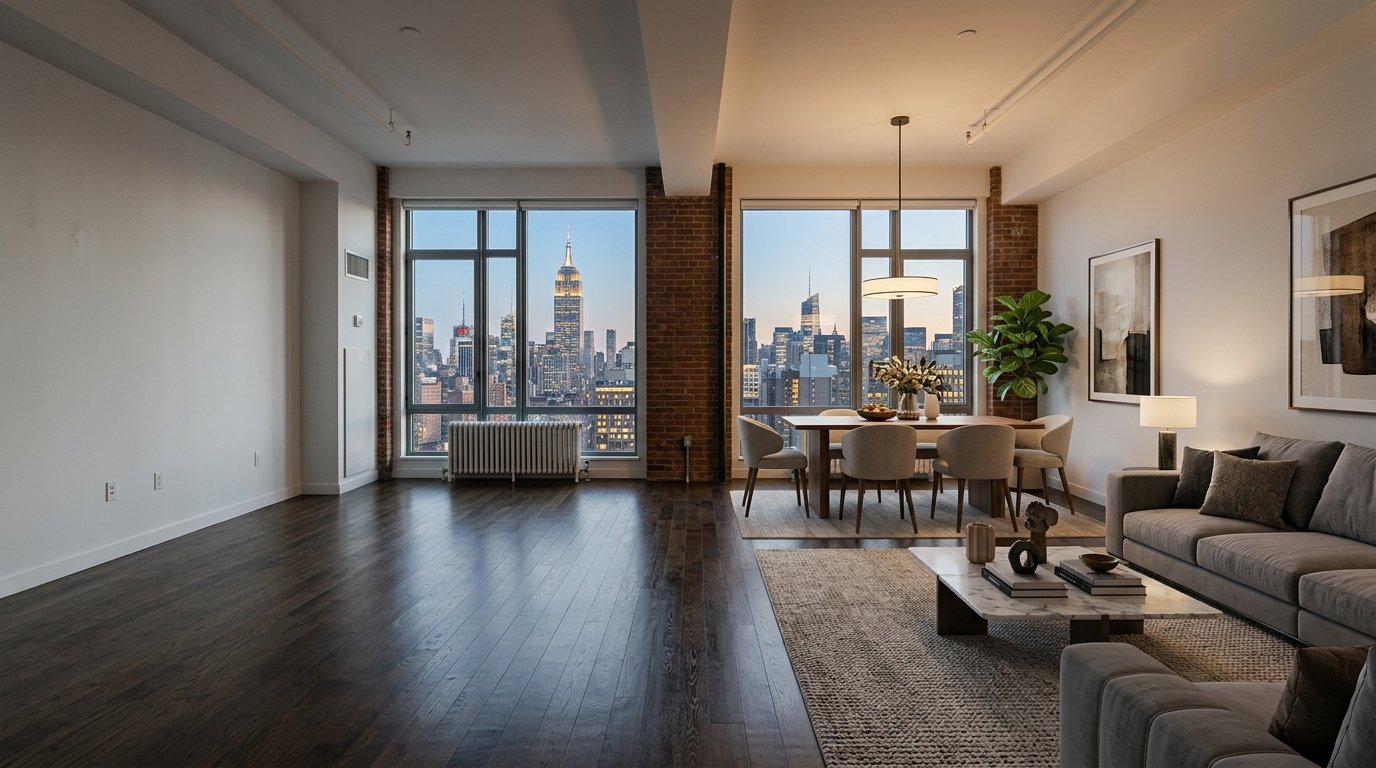
In today's competitive real estate market, first impressions are everything. For property sellers, creating an inviting and aspirational vision for potential buyers is crucial. This is where virtual staging property comes into play, transforming empty or cluttered spaces into beautifully furnished homes that captivate online viewers. If you're looking to sell your home faster and for a better price, understanding and utilizing virtual staging is no longer a luxury – it's a strategic necessity.
This comprehensive guide will walk you through everything you need to know about virtual staging for property sales, from its core mechanics to its undeniable benefits and how to implement it effectively. We'll also explore how innovative AI tools, like those found on ryy.com, are making professional-grade staging accessible to everyone.
What is Virtual Staging and How Does it Work?
At its core, virtual staging is the process of digitally furnishing and decorating an empty room or depersonalizing and updating an existing one in photographs. Instead of moving physical furniture and decor items, advanced software and skilled designers (or AI algorithms) create realistic, stylish interiors that are then superimposed onto actual photos of your property.
Traditional vs. Virtual Staging: The Key Differences
For years, traditional home staging involved renting furniture, hiring movers, and physically arranging pieces within a home. While effective, it's a time-consuming and expensive endeavor. Here's a quick comparison:
- Cost: Traditional staging can cost thousands of dollars per month, including rental fees, design services, and moving expenses. Virtual staging typically costs a fraction of that, often hundreds of dollars per room, and is a one-time fee.
- Time: Traditional staging requires coordinating deliveries and physical setup, which can take days or even weeks. Virtual staging can be completed in a matter of hours or a few days, depending on the number of photos and complexity.
- Flexibility: With virtual staging, you can experiment with different styles, layouts, and even remove existing clutter or make minor "renovations" (like changing wall colors) without any physical effort. Traditional staging offers limited flexibility once items are in place.
- Vacant vs. Occupied: Virtual staging shines for vacant properties, giving them life. It can also be used to update or depersonalize occupied homes without the homeowner needing to move out or store their belongings.
The Technology Behind Virtual Staging
The magic behind virtual staging lies in sophisticated software, often leveraging AI and 3D rendering technologies. The process generally involves:
- High-Quality Photography: Clear, well-lit photos of the empty rooms are the foundation.
- 3D Modeling: Designers or AI tools select furniture and decor items from vast digital libraries, ensuring they match the room's scale and perspective.
- Lighting and Shadows: Crucially, realistic lighting and shadows are added to make the virtual items appear seamlessly integrated into the original photo. This is where AI's computational power can truly shine, analyzing ambient light and generating accurate shadows.
- Rendering: The final image is rendered, combining the original photograph with the virtual furnishings, creating a stunning, "magazine-ready" picture.
Many platforms, including ryy.com, are now harnessing AI to streamline this process, allowing homeowners and real estate professionals to generate professional-grade virtual staging designs with unprecedented ease and speed. Simply upload your room photos, and let AI transform your space!
The Undeniable Benefits of Virtual Staging for Property Sales
Adopting virtual staging isn't just about pretty pictures; it's a strategic move that delivers tangible benefits for sellers and agents alike. Let's delve into why virtual staging property is revolutionizing how homes are sold.
Wider Buyer Appeal and Faster Sales Cycles
Empty rooms often look smaller, colder, and leave too much to the imagination. Buyers struggle to visualize how their own furniture might fit or how to create a functional living space. Virtual staging solves this by:
- Creating an Emotional Connection: A beautifully staged home allows buyers to envision themselves living there, fostering an emotional connection that's vital for a purchase.
- Defining Spaces: Furniture helps define the purpose of each room, making an open-concept layout feel more structured and usable.
- Highlighting Potential: Unique architectural features or challenging layouts can be showcased positively with well-placed virtual furniture.
- Increasing Online Engagement: Staged photos receive significantly more clicks and views online, leading to more inquiries and showings. This increased interest directly translates to a faster sales cycle.
Significant Cost Savings Compared to Traditional Staging
As mentioned earlier, the cost difference between traditional and virtual staging is substantial. Traditional staging can run into thousands of dollars per month, especially for larger homes. Virtual staging offers a fixed, much lower price point per photo, making it an accessible option for almost any budget. This allows sellers to invest more in other marketing efforts or simply save money.
Showcasing Potential, Not Problems
An empty room can sometimes exaggerate flaws like odd angles, small dimensions, or wear and tear. Virtual staging cleverly diverts attention to the positive aspects of the space by filling it with appealing furniture and decor. It focuses the buyer's eye on the potential lifestyle rather than minor imperfections of an unoccupied space. Furthermore, for properties that need minor updates, virtual staging can showcase how a simple repaint or flooring change could revitalize the room, providing inspiration without the actual upfront cost or effort.
Best Practices for Effective Virtual Staging
To truly harness the power of virtual staging, it's essential to follow some best practices. This isn't just about adding furniture; it's about crafting a believable and attractive narrative for your property.
Choosing the Right Virtual Staging Provider (or DIY with AI!)
While professional virtual staging services offer high-quality results, they can still be an added expense. For homeowners and agents looking for a more cost-effective and immediate solution, AI-powered design platforms like ryy.com offer an incredible alternative. You can:
- Upload Your Photos: Simply upload clear photos of your empty rooms.
- Select a Style: Choose from a wide range of interior design styles (modern, minimalist, traditional, bohemian, industrial, etc.) that best suit your property and target demographic.
- Generate Designs: ryy.com's AI will then generate multiple stunning virtual staging options for your space in seconds, allowing you to iterate and refine until you find the perfect look.
- Download and Share: Download the high-resolution images ready for your property listings.
This DIY approach empowers you to control the creative process, explore various design possibilities, and save significantly on professional staging fees, all while maintaining a professional aesthetic.
Focus on High-Quality Photography
Virtual staging is only as good as the photographs it's applied to. Invest in professional photography for your listing. Ensure the photos are:
- Well-Lit: Natural light is best. Open curtains and turn on all lights.
- Clear and High-Resolution: Blurry or pixelated images will detract from the virtual staging.
- Straight and Level: Avoid skewed angles.
- Clean and Empty: While virtual staging can remove small items, starting with a clean, empty room provides the best canvas.
Maintain Authenticity and Realistic Design
The goal is to enhance reality, not create fantasy. Ensure your virtual staging looks believable:
- Correct Scale: Furniture should be proportionate to the room. An oversized couch in a small living room will look unrealistic.
- Appropriate Style: The chosen furniture style should complement the architecture of the home. A rustic farmhouse kitchen in a sleek modern condo might look out of place.
- Natural Lighting and Shadows: The virtual items must integrate seamlessly with the existing lighting conditions of the photo.
- Avoid Over-Staging: Don't clutter the room with too many virtual items. Less is often more.
Style for Your Target Audience
Consider who you're trying to attract. Are they young families, empty nesters, or urban professionals? Tailor your virtual staging style to appeal to their tastes and lifestyle. For example, a property near a university might benefit from a modern, minimalist style, while a suburban family home could feature a more traditional or cozy aesthetic.
Common Myths and Misconceptions About Virtual Staging
Despite its growing popularity, some myths still surround virtual staging. Let's clear them up.
Is Virtual Staging Deceptive?
This is the most common concern. No, virtual staging is not deceptive if it's disclosed. Reputable agents and platforms always clearly state that images have been "virtually staged" or "digitally enhanced" in the listing description. The purpose is to help buyers visualize the potential of a space, not to hide flaws. As long as the staging is realistic and clearly indicated, it's an ethical and effective marketing tool.
Is it Only for Luxury Homes?
Absolutely not! While luxury homes can certainly benefit, virtual staging is incredibly effective for mid-range and even entry-level properties. In fact, for properties with tighter budgets, virtual staging offers a way to present a polished image without the exorbitant costs of traditional staging, making it accessible for a broader range of sellers.
Can Virtual Staging Replace Professional Photos?
No, virtual staging enhances professional photos; it doesn't replace them. The foundation of any successful virtual staging project is high-quality, actual photographs of the property. Poor original photos will result in poor virtual staging, no matter how advanced the software. Always start with excellent raw images.
Practical Tips for Homeowners Using Virtual Staging
Ready to give your listing the virtual staging edge? Here are some actionable tips:
- Start with a Clean Slate: Ensure your rooms are immaculately clean, clutter-free, and freshly painted if needed before professional photos are taken. This provides the best "canvas" for virtual furniture.
- Capture the Best Angles: Take photos from corners or doorways to capture as much of the room as possible, giving a sense of space.
- Think About Flow: When selecting virtual layouts (especially with AI tools), consider how people would naturally move through the room.
- Don't Forget the Exterior: Virtual staging isn't just for interiors! Consider virtually enhancing exteriors with landscaping, outdoor furniture, or even seasonal touches like green grass in winter.
- Disclose, Disclose, Disclose: Always add a disclaimer to your listing that images are virtually staged. Transparency builds trust.
- Experiment with ryy.com: Leverage free AI design tools on ryy.com to experiment with different virtual staging styles for your home. It's a fantastic way to see what works best without any commitment. You can generate multiple design variations to perfectly match your home's architecture and target buyer profile.
Transform Your Listing with Virtual Staging Today
In conclusion, virtual staging property is a powerful, cost-effective, and efficient tool that can significantly impact the sale of your home. It allows potential buyers to visualize the true potential and lifestyle offered by your property, leading to increased interest, faster sales, and often, higher offers. By embracing this technology, especially with the accessibility provided by AI design platforms, you can elevate your property listing above the competition and make a memorable first impression.
Ready to see the magic for yourself? Visit ryy.com today and try our free AI design tools to virtually stage your home with ease. Upload your photos, choose your style, and transform your empty rooms into inviting spaces that buyers will fall in love with!