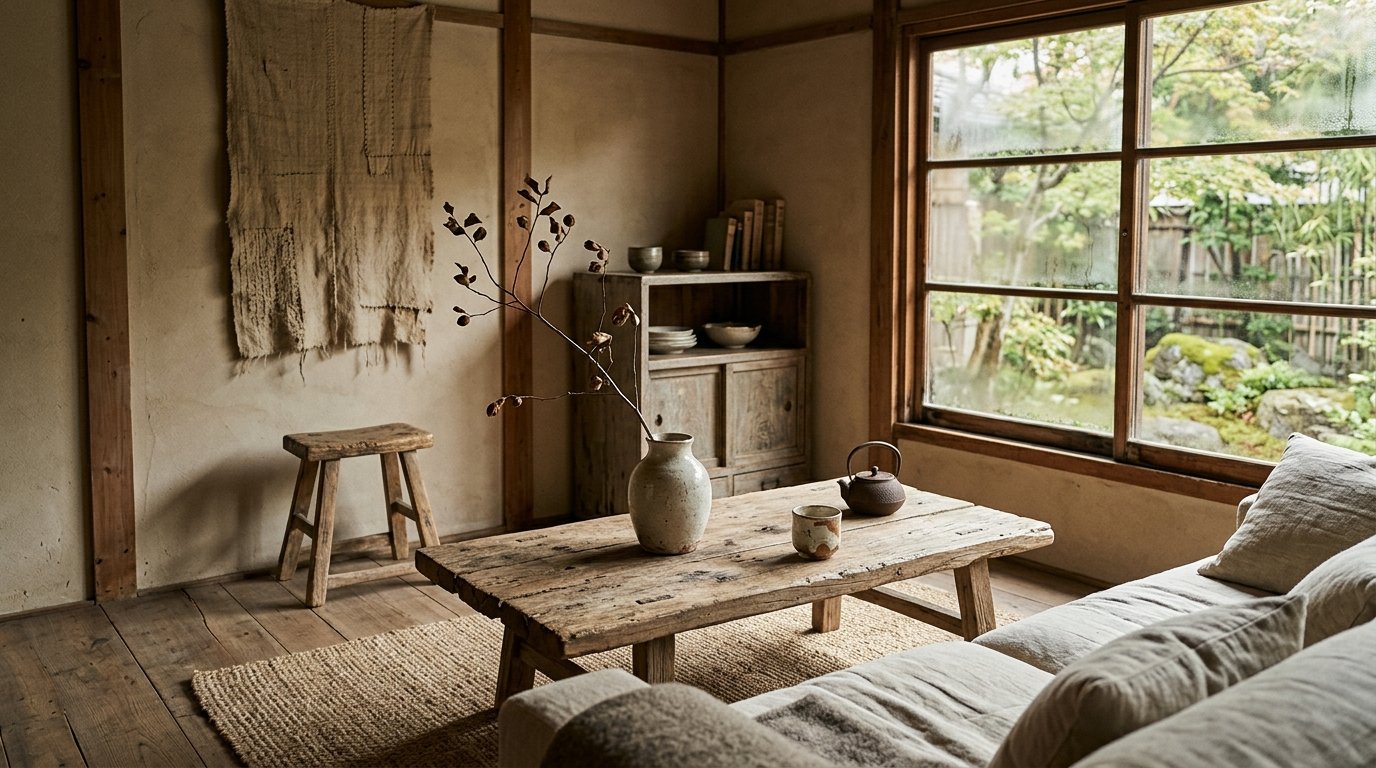
In a world often obsessed with perfection, symmetry, and flawless finishes, there's a profound beauty in embracing the opposite. Enter Wabi-Sabi, a deeply rooted Japanese philosophy that finds grace and tranquility in the transient, imperfect, and incomplete. Far from being merely a fleeting trend, wabi sabi interior design offers a timeless approach to creating spaces that feel authentic, lived-in, and profoundly calming. It's about celebrating the cracks, the wear, the asymmetry, and the natural evolution of things, recognizing that these imperfections tell a story and add character.
If you're tired of sterile, picture-perfect interiors and long for a home that feels soulful and genuinely reflects the passage of time, Wabi-Sabi might just be your ultimate design inspiration. At ryy.com, we believe that understanding these core philosophies can unlock incredible design potential, and our AI tools can help you visualize these concepts in your own space.
Understanding the Essence of Wabi-Sabi: A Philosophy, Not Just a Style
Before diving into specific design elements, it's crucial to grasp that Wabi-Sabi is more than just an aesthetic – it's a worldview. Originating from Buddhist principles, particularly Zen Buddhism, it teaches us to appreciate the simple, the humble, and the naturally flawed. It’s a quiet rebellion against mass production and consumerism, encouraging a deeper connection with objects and the stories they hold.
The Philosophy of Imperfection (Wabi)
At its heart, "Wabi" refers to a kind of rustic simplicity, quietness, and an appreciation of natural processes. It’s about finding beauty in the modest, the unpretentious, and even the slightly broken. Think of a perfectly aged wooden bowl with a chip, a hand-thrown ceramic mug with an uneven glaze, or a piece of furniture with a visible history of use. These items aren't "damaged" in a Wabi-Sabi context; they are enriched by their unique narratives of existence.
The Beauty of Transience and Decay (Sabi)
"Sabi" speaks to the beauty that comes with age, the fading, the wear, and the marks of time. It's the patina on antique bronze, the moss growing on a stone, or the gentle fade of natural linen over years. Sabi reminds us that nothing lasts forever, everything changes, and this impermanence is part of life's inherent beauty. It encourages us to find contentment in the present moment and to cherish the ephemeral.
Authenticity and Nature's Touch
A core tenet of Wabi-Sabi is authenticity. This means using materials in their natural state, celebrating their inherent textures and variations, and allowing them to age gracefully. It's about bringing the outside in – rough-hewn wood, unpolished stone, raw concrete, linen, cotton, and wool. These materials ground a space, connecting it to the earth and fostering a sense of calm and natural harmony.
Simplicity and Understated Elegance
Wabi-Sabi eschews clutter and excessive ornamentation. Instead, it favors a minimalist approach, not in a cold, stark sense, but in a warm, intentional way. Every item in a Wabi-Sabi space is chosen for its purpose, beauty, or sentimental value, contributing to an overall sense of peace and clarity. The elegance comes from the quiet dignity of well-chosen, often handmade, objects rather than ostentatious display.
Key Elements of Wabi-Sabi Interior Design
Translating this profound philosophy into tangible design choices requires understanding specific elements that embody the Wabi-Sabi spirit. If you're looking to infuse wabi sabi interior design into your home, consider these practical applications:
Natural Materials and Textures
The foundation of Wabi-Sabi lies in its reverence for natural materials. Think:
- Unfinished Wood: Reclaimed wood, raw timber, or furniture with visible grain and knots.
- Stone: Rough-hewn granite, smooth river stones, or unpolished concrete.
- Ceramics: Hand-thrown pottery, bowls with visible marks from the potter's hands, uneven glazes.
- Textiles: Linen, organic cotton, wool, hemp – chosen for their breathable qualities, subtle texture, and ability to age gracefully. Look for textiles with slight irregularities or a natural, unprocessed feel.
- Paper: Washi paper screens or subtle rice paper lamps can add a delicate, natural touch.
These materials, left in their raw or minimally processed states, invite touch and connect us to the natural world. They are imperfect by nature, developing unique patinas and character over time.
Earthy Color Palettes
Wabi-Sabi interiors typically feature muted, understated color palettes inspired by nature. Think of the colors you'd find in a forest or a natural landscape:
- Neutrals: Warm whites, creams, muted beiges, and soft grays.
- Earth Tones: Deep browns, terracotta, dusty greens, slate blues, and charcoal.
The goal is to create a calming, harmonious backdrop that allows the textures and forms of the objects within the space to shine. Avoid bright,饱和 (saturate) colors or high contrasts; instead, opt for subtle variations and tones that blend seamlessly.
Organic Shapes and Forms
Embrace asymmetry and irregular shapes. Wabi-Sabi rejects rigid symmetry and straight lines in favor of organic, flowing forms that mirror nature. This can be seen in:
- Furniture: Pieces with soft edges, natural wood grains, and handcrafted irregularities.
- Pottery & Decor: Unevenly shaped vases, hand-sculpted bowls, or pieces with a distinct handmade character.
- Arrangements: Objects arranged thoughtfully but not perfectly symmetrical, creating visual interest through balance rather than mirror images.
Mindful Decluttering and Space
While not strictly minimalist in the stark sense, Wabi-Sabi encourages a profound sense of intentionality and appreciation for empty space, known as "ma" in Japanese aesthetics. This means:
- Curated Collections: Displaying only a few cherished items, each with a story or significant meaning.
- Negative Space: Allowing walls, floors, and surfaces to breathe, creating a sense of calm and openness.
- Hidden Storage: Minimizing visible clutter by utilizing smart, integrated storage solutions.
The absence of clutter allows the beauty of individual objects and the textures of the space to be fully appreciated.
Embracing Age and Patina
Unlike modern aesthetics that often seek to erase signs of age, Wabi-Sabi celebrates them. A worn wooden floor, a faded textile, a chipped teacup, or a rusted metal piece are not flaws but badges of honor, proof of an item's journey through time. Consider:
- Vintage and Antique Finds: Incorporating pieces with a history, rather than pristine new items.
- Visible Repairs: The Japanese art of Kintsugi (repairing broken pottery with gold lacquer) is a perfect example of embracing and highlighting imperfections rather than concealing them.
- Natural Aging: Allowing wood to lighten or darken, metals to oxidize, and fabrics to soften and fade over time.
Bringing Wabi-Sabi to Life in Every Room
Integrating Wabi-Sabi principles can transform any space into a serene retreat. Here’s how to apply it room by room:
The Living Room: Comfort in Imperfection
Focus on creating a relaxed, inviting atmosphere. Choose a low-slung sofa covered in natural linen, perhaps with a slight wrinkle. Incorporate a reclaimed wood coffee table with visible knots or uneven edges. Add handcrafted ceramic vases, a rough-textured wool rug, and soft, ambient lighting. Display a few meaningful objects rather than a multitude of decorative items. Consider an aged leather armchair for a touch of character and comfort.
The Bedroom: A Sanctuary of Serenity
The bedroom is your ultimate sanctuary. Opt for a simple, low-profile bed frame, possibly made of natural wood. Dress it with organic linen bedding in muted tones. Avoid excessive pillows or fussy decor. A single, beautiful piece of art or a simple potted plant can be enough. The focus should be on creating a space for rest and introspection, free from distractions. Embrace the wrinkles in your linen sheets – they are part of the charm.
The Kitchen & Dining: Celebrating Utility
The kitchen, often the heart of the home, can embody Wabi-Sabi through functionality and natural elements. Open shelving can display handmade pottery, wooden bowls, and simple glassware. A solid wood dining table, perhaps one that shows signs of family meals, becomes a central piece. Choose durable, natural materials for countertops like honed stone or concrete. Use natural light to illuminate the space, highlighting the textures of your ingredients and cookware.
The Bathroom: A Minimalist Retreat
Transform your bathroom into a spa-like retreat with Wabi-Sabi principles. Use natural stone tiles, a simple wooden vanity, and a large, unadorned mirror. Soft, organic cotton towels in neutral tones will add to the sense of calm. Incorporate natural elements like river stones or a small, resilient plant. Focus on clean lines and essential items, removing any unnecessary clutter to create a peaceful, cleansing space.
Practical Tips for Integrating Wabi-Sabi into Your Home
Ready to start your Wabi-Sabi journey? Here are some actionable tips:
- Embrace the Handmade: Seek out artisan-made pieces – pottery, textiles, furniture. These often carry inherent imperfections and a unique story.
- Source Sustainably and Locally: Opt for natural materials, vintage finds, and objects from local craftspeople. This aligns with the respect for nature and authenticity.
- Declutter with Intention: Remove anything that doesn't serve a purpose, bring you joy, or resonate with the Wabi-Sabi aesthetic. Less is truly more.
- Introduce Organic Elements: Bring in plants, branches, or dried flowers. Even a single, artfully placed stone can evoke a sense of nature.
- Prioritize Natural Light: Maximize natural light with sheer curtains or by leaving windows unadorned. This enhances the beauty of natural materials and colors.
- Mix Old with New: Combine a cherished antique with a contemporary piece made from raw materials. The contrast can highlight the beauty of each.
- Live with Patina: Don't rush to fix every scratch or chip. Allow materials to age gracefully, acquiring character over time.
- Create Vignettes: Arrange a small cluster of objects – perhaps an old wooden tray, a ceramic bowl, and a smooth stone – to create a focal point of quiet beauty.
- Start Small: You don't need to overhaul your entire home. Begin by decluttering a single room or incorporating a few Wabi-Sabi-inspired pieces.
Design Your Wabi-Sabi Sanctuary with ryy.com
Wabi-Sabi is an invitation to slow down, appreciate the transient beauty of life, and find contentment in the simple and imperfect. It’s about creating a home that nurtures the soul, feels authentic, and tells your unique story without needing to be perfect. By embracing its principles, you can cultivate a truly tranquil and grounding environment.
Ready to explore how these serene, natural elements of wabi sabi interior design could transform your living space? At ryy.com, our free AI design tools allow you to experiment with different textures, color palettes, and furniture arrangements inspired by Wabi-Sabi. Simply upload a photo of your room, describe your vision (e.g., "Wabi-Sabi living room with natural wood and linen"), and watch as our AI generates stunning design ideas. It’s the perfect way to visualize your imperfectly perfect home before making any changes. Start designing your Wabi-Sabi dream space today with ryy.com!